

Millions of American adults struggle with hand and wrist pain every year, often finding that simple tasks become frustrating or impossible. For Austin residents, lingering discomfort or serious injuries can quickly disrupt work, hobbies, and daily life. If you want to reclaim your independence, this guide explains how fellowship-trained orthopedic surgeons deliver advanced solutions for restoring hand function and easing pain when conservative care falls short.
Table of Contents
- Defining Hand Surgery And Its Purpose
- Conditions That Benefit From Hand Surgery
- Techniques And Innovations In Modern Hand Surgery
- Expected Outcomes And Recovery Timelines
- Risks, Costs, And Alternatives To Hand Surgery
Key Takeaways
| Point | Details |
|---|---|
| Specialization of Hand Surgery | Hand surgery addresses complex conditions of the upper extremities, focusing on restoring function and alleviating pain through both surgical and non-surgical methods. |
| Innovative Techniques | Modern hand surgery utilizes advanced techniques such as microsurgery and PRP therapy, improving accuracy, outcomes, and recovery times. |
| Recovery Expectations | Recovery varies based on the procedure, with stages emphasizing pain management, rehabilitation, and restoration of function tailored to individual patient needs. |
| Risks and Alternatives | Patients should be aware of potential surgical risks and explore non-surgical alternatives, as comprehensive evaluations are crucial for personalized treatment decisions. |
Defining Hand Surgery and Its Purpose
Hand surgery represents a specialized medical field dedicated to addressing complex conditions affecting the upper extremities, ranging from the fingertips to the shoulder. Hand surgery deals with both surgical and non-surgical treatment of conditions affecting the hand or upper extremity, focusing on restoring function and alleviating pain for patients experiencing musculoskeletal challenges.
Orthopedic surgeons like Dr. Manish V. Patel who specialize in hand surgery possess advanced training to diagnose and treat a wide range of conditions. These medical professionals address issues involving bones, soft tissues, tendons, muscles, and nerves through precision techniques. Hand surgeons aim to restore sensation, strength, and motion utilizing both surgical interventions and innovative non-surgical approaches such as PRP therapy.
Typically, hand surgery encompasses treatments for numerous conditions, including:
- Traumatic hand injuries
- Nerve compression syndromes
- Tendon and ligament repairs
- Congenital hand deformities
- Arthritis management
- Sports-related upper extremity injuries
Pro tip: Always consult a fellowship-trained hand surgeon who understands the intricate anatomy and specialized treatment requirements for your specific upper extremity condition.
Conditions That Benefit From Hand Surgery
Hand surgery offers transformative solutions for individuals experiencing complex upper extremity challenges. A wide range of conditions can impair hand function, including degenerative conditions like arthritis, nerve compression syndromes, and traumatic injuries, making surgical intervention a critical pathway for restoring mobility and reducing chronic pain.
The spectrum of conditions benefiting from hand surgery is extensive, encompassing both acute and chronic issues. Surgical interventions aim to restore function to the fingers, hands, and wrists by treating fractures, nerve compression, tendon injuries, and other structural problems. These treatments are particularly effective for patients experiencing challenges such as:
- Arthritis Management
- Osteoarthritis
- Rheumatoid arthritis
- Nerve Compression Disorders
- Carpal tunnel syndrome
- Cubital tunnel syndrome
- Traumatic Injuries
- Fractures
- Ligament tears
- Tendon repairs
- Congenital Conditions
- Structural hand deformities
- Webbed fingers
- Soft Tissue Disorders
- Ganglion cysts
- Trigger finger
PRP therapy represents an innovative non-surgical approach that can complement traditional surgical techniques, offering patients additional options for pain management and tissue regeneration. By addressing these conditions comprehensively, hand surgeons can significantly improve patients’ quality of life and functional capabilities.
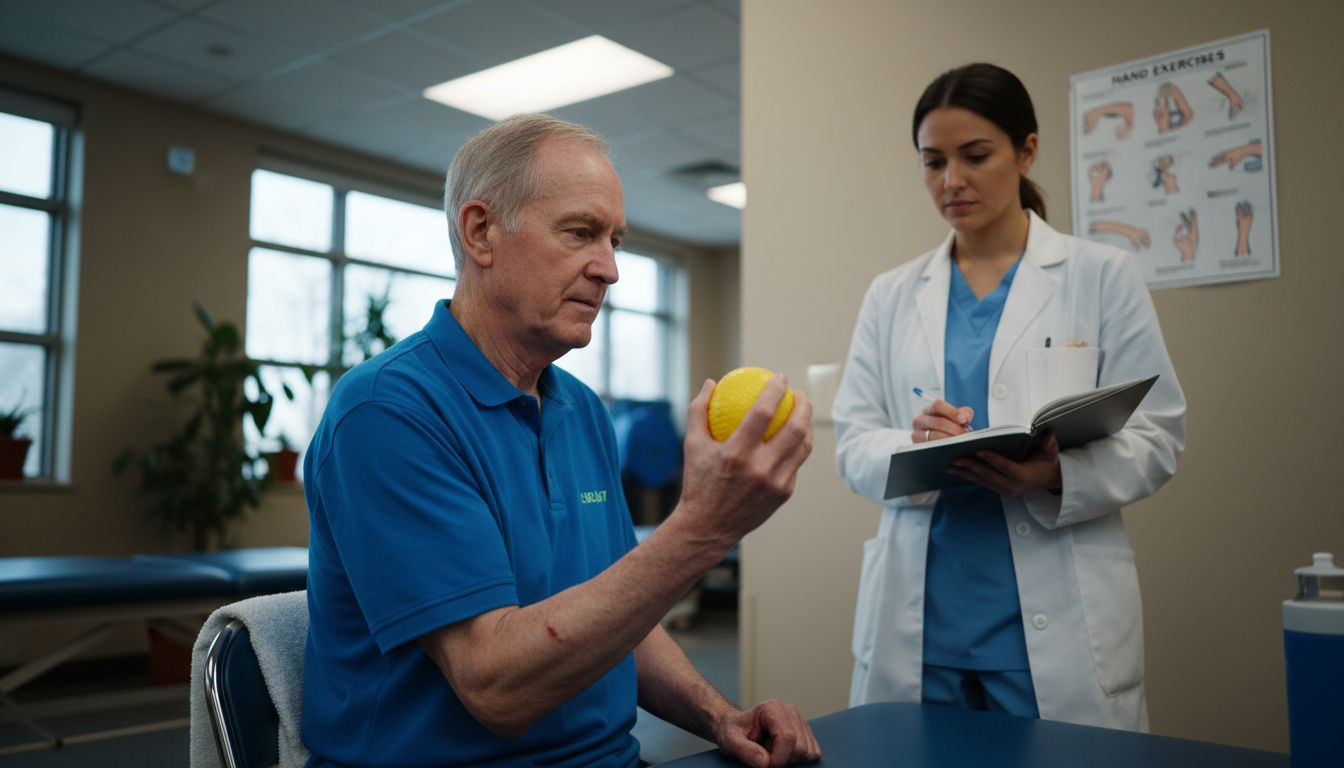
Pro tip: Schedule a comprehensive evaluation with a fellowship-trained hand surgeon to explore personalized treatment options tailored to your specific condition and recovery goals.
Techniques and Innovations in Modern Hand Surgery
Microsurgery has revolutionized the landscape of hand surgery, offering unprecedented precision and transformative treatment options. Modern hand surgery incorporates advanced surgical techniques including microsurgery for nerve and vessel repair, arthroscopy for minimally invasive joint procedures, and complex reconstructive approaches, dramatically improving patient outcomes and functional restoration.
Cutting-edge surgical techniques now combine expertise from orthopedic, plastic, and general surgery to deliver comprehensive care, enabling surgeons to address increasingly complex hand conditions with remarkable accuracy. The most prominent innovative techniques include:
- Microsurgical Interventions
- Nerve reconstruction
- Microvascular repair
- Precision tissue grafting
- Minimally Invasive Procedures
- Arthroscopic surgeries
- Endoscopic techniques
- Small incision approaches
- Advanced Reconstructive Methods
- Digital replantation
- Tendon transfer techniques
- Complex joint reconstruction
PRP therapy continues to play a significant role in these innovative approaches, offering non-surgical complementary treatments that enhance healing and tissue regeneration. These advanced techniques not only restore function but also minimize recovery time and potential complications, representing a quantum leap in hand surgical care.
Pro tip: Request a detailed consultation to understand how the latest surgical innovations might specifically address your unique hand condition and recovery potential.
Expected Outcomes and Recovery Timelines
Hand surgery recovery is a nuanced journey that varies significantly based on the specific procedure and individual patient characteristics. Recovery after hand surgery involves managing pain, controlling swelling, and implementing a structured rehabilitation process that can range from days to months, requiring patients to maintain realistic expectations and a commitment to their healing process.
Therapy plays a crucial role in restoring mobility, strength, and function, with recovery timelines carefully tailored to each patient’s unique surgical intervention. Typical recovery stages include:
- Immediate Post-Surgical Phase
- Pain management
- Swelling control
- Initial wound care
- Immobilization Period
- Splint or bandage wearing
- Limited movement
- Protection of surgical site
- Rehabilitation Stage
- Physical therapy
- Range of motion exercises
- Strength rebuilding
- Final Recovery
- Full function restoration
- Scar management
- Continued strengthening
PRP therapy can significantly enhance the recovery process, providing additional support for tissue healing and potentially reducing overall recovery time. The integration of advanced non-surgical therapies with traditional surgical approaches allows for a more comprehensive and personalized healing strategy.
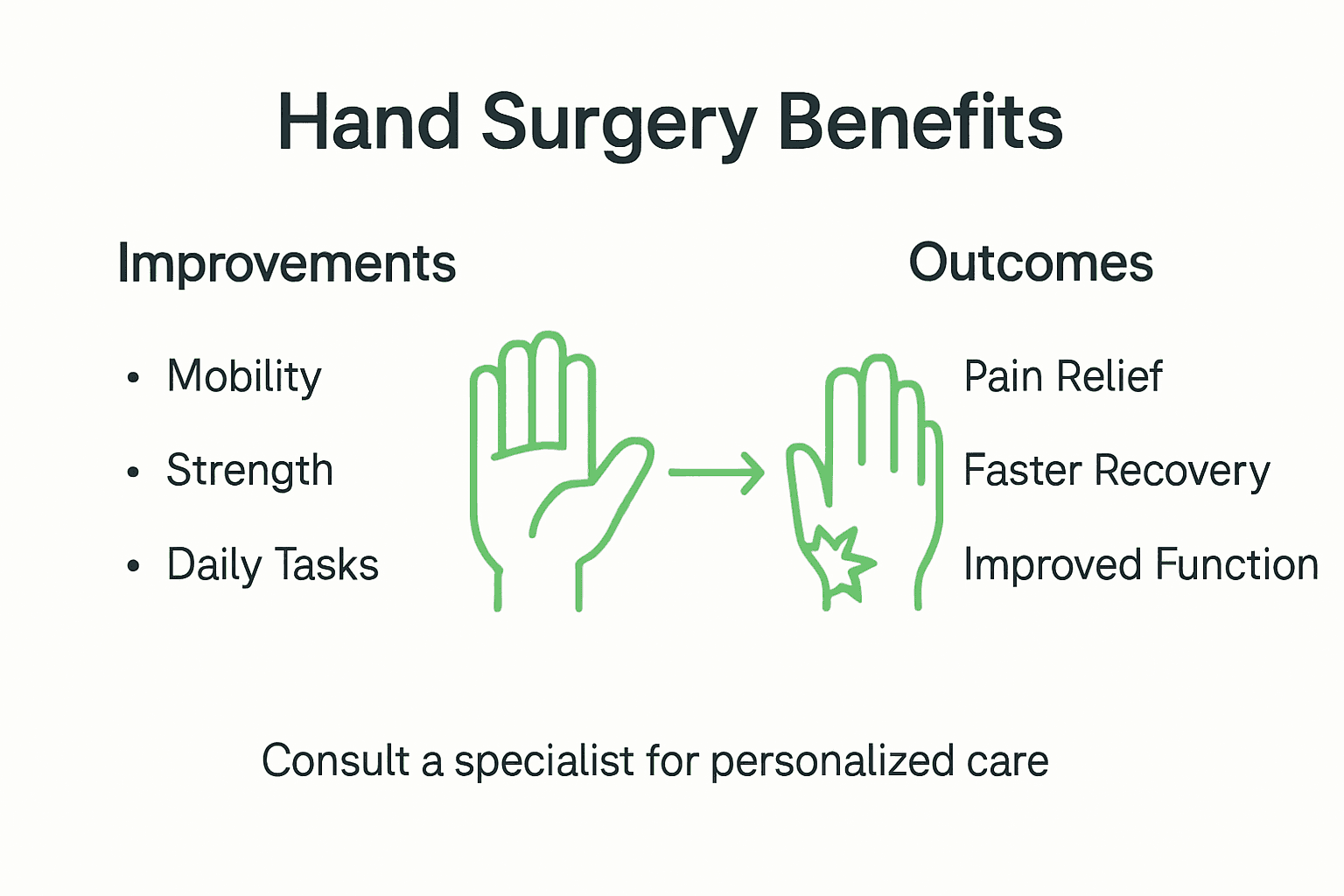
The following table summarizes the stages of hand surgery recovery and patient expectations:
| Recovery Stage | Patient Focus | Key Milestone |
|---|---|---|
| Immediate post-op | Pain and swelling management | Wound healing |
| Immobilization | Protect surgical site | Limited joint movement |
| Rehabilitation | Regain strength and mobility | Physical therapy progression |
| Final recovery | Resume full activity | Functional restoration |
Pro tip: Maintain open communication with your hand surgeon and actively participate in recommended rehabilitation protocols to optimize your recovery and achieve the best possible surgical outcomes.
Risks, Costs, and Alternatives To Hand Surgery
Understanding the potential risks and alternatives to hand surgery is crucial for patients considering surgical intervention. Hand surgery carries inherent risks, including potential complications such as infection, nerve injury, and the possibility of incomplete symptom relief, making a comprehensive evaluation essential before proceeding with any surgical approach.
Non-surgical treatments often serve as initial strategies for managing hand conditions, including activity modification, splinting, medication, and targeted physical therapy. The primary alternatives to surgical intervention include:
Here is a comparison of surgical and non-surgical hand treatment options:
| Approach | Typical Use Cases | Advantages | Drawbacks |
|---|---|---|---|
| Surgical intervention | Severe injuries, failed therapies | Precise anatomical correction | Higher risk and cost |
| Non-surgical methods | Mild to moderate conditions | Lower risk, faster recovery | May be less effective long term |
| PRP therapy (non-surgical) | Early tissue damage, adjunct care | Stimulates healing, less invasive | May not suit severe conditions |
- Conservative Treatment Options
- Physical therapy
- Anti-inflammatory medications
- Splinting and bracing
- Corticosteroid injections
- Activity modification
- Cost Considerations
- Varies by procedure complexity
- Insurance coverage differences
- Out-of-pocket expenses
- Potential Surgical Risks
- Infection
- Nerve damage
- Scarring
- Anesthesia complications
- Limited symptom resolution
PRP therapy emerges as a promising alternative, offering a less invasive approach that can potentially delay or eliminate the need for surgical intervention. The decision between surgical and non-surgical treatments requires careful consultation with a fellowship-trained hand surgeon who can provide personalized medical guidance.
Pro tip: Schedule a comprehensive evaluation to explore all available treatment options and understand the specific risks and potential benefits tailored to your unique hand condition.
Discover How Expert Hand Surgery Can Restore Your Mobility and Ease Your Pain
If pain or limited movement in your hand is holding you back, you deserve relief that lasts. The challenges discussed in the article highlight how critical precise surgical care can be for conditions like arthritis, nerve compression, and tendon injuries. Don’t let these issues control your daily life or stop you from doing the things you love. Dr. Manish V. Patel offers advanced, fellowship-trained expertise to help enhance your hand function and reduce discomfort through personalized treatment plans.

Explore a range of trusted solutions for upper extremity issues by visiting our Upper Extremity Surgery Articles | Austin Orthopedic Blog and learn more about targeted treatments in our Hand Pain, Procedures & Treatment Articles | Austin Orthopedics. Ready to take the first step toward lasting relief? Contact us today at https://handtoshoulderaustin.com to schedule your consultation with a leading hand surgeon in Austin and start your journey to restored mobility and comfort.
Frequently Asked Questions
What are the benefits of hand surgery?
Hand surgery can enhance mobility, alleviate pain, and restore function in individuals with conditions affecting the upper extremities, such as arthritis, traumatic injuries, and nerve compression syndromes.
How do I know if I need hand surgery?
If you are experiencing chronic pain, limited movement, or difficulties in daily activities due to conditions like arthritis or injuries, a consultation with a fellowship-trained hand surgeon can help determine if surgery is necessary.
What is PRP therapy and how does it relate to hand surgery?
PRP therapy, or platelet-rich plasma therapy, is a non-surgical treatment that can complement traditional hand surgery by promoting healing and tissue regeneration, potentially reducing recovery time and enhancing overall outcomes.
What is the recovery process like after hand surgery?
Recovery after hand surgery varies by procedure, but generally involves managing pain, controlling swelling, and participating in rehabilitation to regain strength and mobility, with timelines ranging from days to several months.
Recommended
- 7 Key Hand Surgery Benefits for Austin Residents – Austin Hand To Shoulder
- Understanding Tendon Transfer in Hand Surgery – Austin Hand To Shoulder
- What Is Hand Surgery? Complete Overview for Austin Locals – Austin Hand To Shoulder
- 7 Key Benefits of Wrist Surgery for Faster Recovery – Austin Hand To Shoulder


