
Chronic shoulder pain affects nearly one in four American adults by age 60, making daily life in Austin, Texas frustrating and limiting. Living with ongoing discomfort or an old sports injury means losing confidence in simple tasks and missing out on the activities you love. Understanding the surgical options available can open the door to lasting relief, improved mobility, and renewed independence for adults ready to reclaim their quality of life.
Table of Contents
- Understanding Shoulder Surgery and When It’s Needed
- Common Shoulder Conditions Requiring Surgery
- Conservative Treatments Versus Surgical Intervention
- Surgical Options for Shoulder Disorders
- Risks, Recovery, and What to Expect
Key Takeaways
| Point | Details |
|---|---|
| Surgical Need | Shoulder surgery is necessary for patients with chronic pain and limited mobility due to severe conditions like rotator cuff tears and arthritis. |
| Technique Selection | The choice between anatomic and reverse total shoulder replacement depends on the condition of the rotator cuff and joint stability. |
| Conservative Options | Consider conservative treatments such as physical therapy and medication before opting for surgery. |
| Recovery Expectations | After shoulder replacement surgery, significant pain relief and mobility improvements are typically expected within 3 to 6 months. |
Understanding Shoulder Surgery and When It’s Needed
Shoulder surgery is a critical intervention designed to restore mobility, reduce chronic pain, and improve overall quality of life for patients experiencing significant joint damage. Shoulder replacement surgery removes damaged bone areas and replaces them with specialized metal and plastic implants, addressing complex joint conditions that conservative treatments cannot resolve.
Patients typically require shoulder surgery when experiencing persistent pain, limited range of motion, or significant functional impairment from conditions such as severe osteoarthritis, rotator cuff injuries, complex fractures, rheumatoid arthritis, or advanced joint degeneration. The decision involves carefully evaluating multiple treatment factors, including the extent of joint damage, patient age, overall health status, and potential for meaningful recovery. Medical professionals like Dr. Manish V. Patel specialize in assessing whether surgical joint replacement represents the most appropriate intervention.
Two primary shoulder replacement techniques exist: anatomic total shoulder replacement and reverse total shoulder replacement. The anatomic technique works best for patients with intact rotator cuff muscles, while the reverse technique provides enhanced stability for individuals with compromised rotator cuff function. Surgeons determine the most appropriate approach based on detailed diagnostic imaging, patient-specific anatomical considerations, and comprehensive medical history evaluation.
The following table compares the two primary surgical replacement techniques for shoulder joints:
| Technique Type | Best Candidates | Main Benefits | Limitations |
|---|---|---|---|
| Anatomic Total Shoulder Replacement | Patients with intact rotator cuffs | Preserves natural joint movement | Not suitable for cuff damage |
| Reverse Total Shoulder Replacement | Individuals with torn rotator cuffs | Enhanced joint stability | Reduced range of certain motions |
Pro tip: Before considering shoulder surgery, explore comprehensive nonsurgical treatments like physical therapy, PRP therapy, and targeted rehabilitation to potentially mitigate surgical intervention requirements.
Common Shoulder Conditions Requiring Surgery
Shoulder surgeries are crucial interventions for addressing complex musculoskeletal conditions that significantly impair mobility and cause persistent pain. Shoulder problems requiring surgical treatment range from acute injuries to chronic degenerative conditions that compromise joint function and overall patient quality of life.
The most prevalent shoulder conditions necessitating surgical intervention include rotator cuff tears, severe arthritis, frozen shoulder, and complex bone fractures. Rotator cuff tears often result from repetitive overhead movements, sports injuries, or age-related degeneration. These injuries can cause significant weakness and pain, potentially requiring surgical repair to restore muscle function and joint stability. Shoulder pain and common shoulder problems frequently stem from tendon inflammation, such as bursitis and tendinitis, which may progress to more serious conditions requiring surgical intervention.
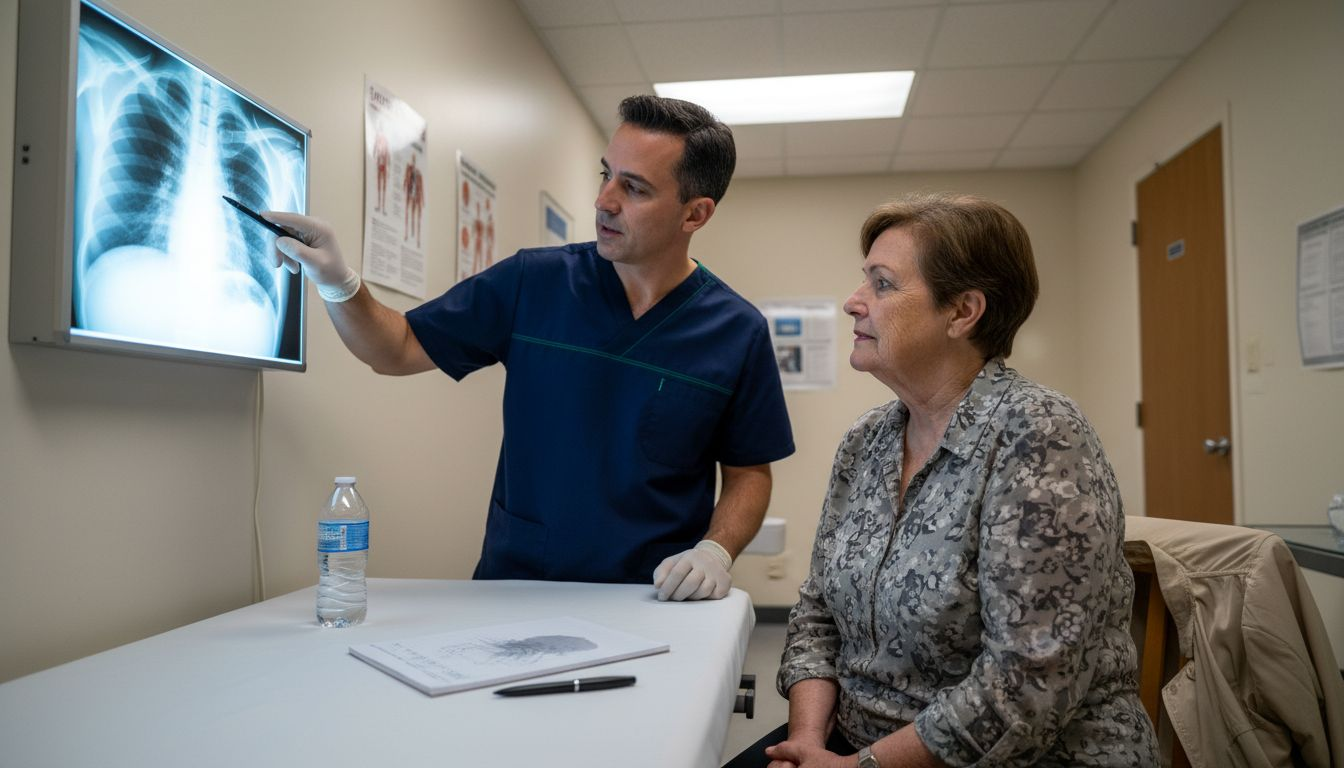
Dr. Patel’s practice specializes in addressing complex shoulder conditions through targeted surgical approaches. Joint instability, advanced arthritis, and irreparable tendon damage represent critical scenarios where surgery becomes the most effective treatment option. Patients with chronic shoulder conditions that have not responded to conservative treatments like physical therapy, medication, or PRP therapy may find surgical intervention the most appropriate path to restored function and pain relief.
Pro tip: Document and track your shoulder symptoms meticulously, including pain levels, range of motion, and functional limitations, to provide your orthopedic surgeon with comprehensive information for accurate diagnosis and treatment planning.
Conservative Treatments Versus Surgical Intervention
The decision between conservative treatments and surgical intervention for shoulder conditions is a nuanced process that requires careful evaluation of individual patient needs, injury severity, and potential outcomes. Nonsurgical shoulder treatments offer multiple options for managing shoulder pain and dysfunction before considering more invasive procedures.
Conservative treatment strategies typically include physical therapy, targeted exercises, medication management, PRP therapy, and activity modifications. These approaches are most effective for mild to moderate shoulder conditions, providing pain relief and improving joint function without the risks associated with surgical intervention. In some cases, such as acromioclavicular joint dislocations, research suggests that conservative treatments can lead to earlier recovery and lower complication rates compared to surgical procedures.
Dr. Patel’s practice emphasizes a comprehensive approach to shoulder treatment, carefully assessing each patient’s unique condition to determine the most appropriate intervention. Key factors in this decision include the patient’s age, overall health, activity level, pain intensity, and the specific nature of the shoulder condition. Surgical intervention becomes the recommended path when conservative treatments fail to provide adequate pain relief, restore function, or show potential for improvement over time.
Pro tip: Keep a detailed symptom journal documenting pain levels, range of motion, and functional limitations to help your healthcare provider make the most informed treatment decision.
Surgical Options for Shoulder Disorders
Shoulder replacement surgery provides targeted solutions for patients experiencing chronic pain and limited mobility due to complex joint conditions. Surgical options for shoulder disorders range from partial to total joint replacements, each designed to address specific types of shoulder damage and restore functional movement.
Three primary surgical approaches exist for shoulder disorders: anatomical total shoulder replacement, reverse total shoulder replacement, and partial shoulder replacement. Shoulder joint replacement techniques are carefully selected based on the patient’s unique joint condition, rotator cuff integrity, and overall health status. Anatomical total shoulder replacement works best for patients with intact rotator cuff muscles, while the reverse total shoulder replacement provides enhanced stability for individuals with significant rotator cuff damage or advanced arthritis.
Dr. Patel’s practice specializes in personalized surgical interventions, considering factors such as the patient’s age, activity level, and specific shoulder pathology. Partial shoulder replacement becomes an option when only the humeral head is damaged, offering a more conservative approach to joint reconstruction. The decision-making process involves comprehensive diagnostic imaging, detailed patient history evaluation, and a thorough understanding of the potential benefits and risks associated with each surgical technique.
Pro tip: Discuss all potential surgical options thoroughly with your orthopedic specialist, including recovery expectations, rehabilitation protocols, and long-term outcomes specific to your individual shoulder condition.
Risks, Recovery, and What to Expect
Shoulder replacement surgery requires patients to understand potential outcomes, risks, and comprehensive recovery processes. Recovery from shoulder replacement involves a multifaceted approach that addresses pain management, rehabilitation, and gradual return to normal activities.
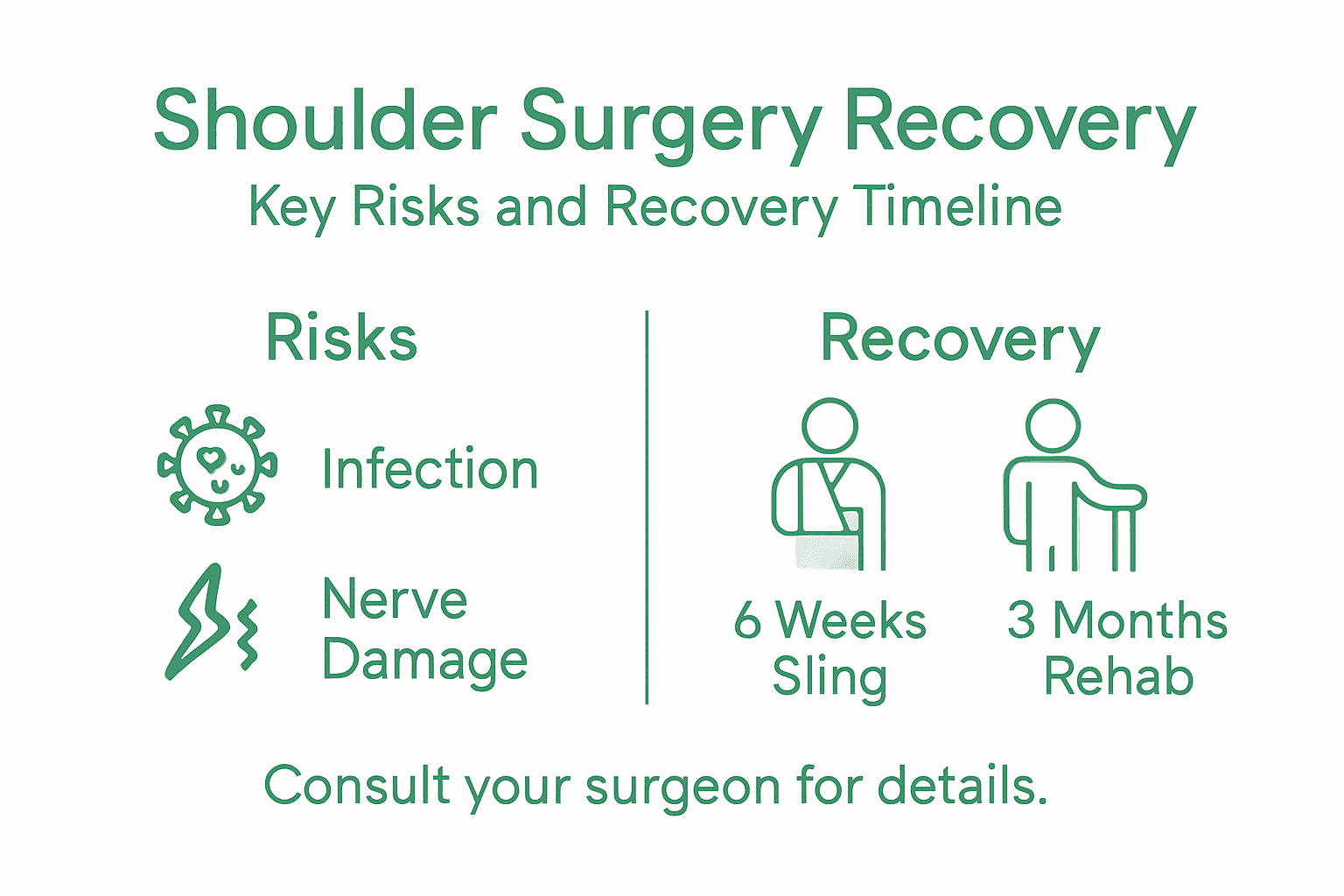
Potential surgical risks include infection, nerve damage, blood clots, and implant dislocation. Most patients experience significant pain relief and improved mobility, with recovery typically involving wearing a supportive sling for several weeks and participating in structured physical therapy. The rehabilitation process focuses on progressive range of motion exercises and strength training, carefully designed to protect healing tissues while restoring shoulder function. Total shoulder replacement recovery can take several months, with most patients gradually returning to daily activities and experiencing substantial improvement in joint performance.
Dr. Patel’s practice emphasizes personalized recovery strategies, recognizing that each patient’s healing journey is unique. Factors such as age, overall health, adherence to rehabilitation protocols, and pre-existing conditions significantly impact recovery outcomes. Patients can typically expect substantial pain reduction, improved shoulder mobility, and a return to most normal activities within three to six months following surgery, with continued improvements potentially occurring up to a year after the procedure.
Here is a summary of key recovery factors and expectations after shoulder replacement surgery:
| Recovery Factor | Typical Timeline | What to Expect |
|---|---|---|
| Pain Reduction | Few weeks to months | Significant relief after surgery |
| Mobility Improvement | 3-6 months | Gradual return to daily tasks |
| Rehabilitation | Several months | Structured therapy exercises |
| Full Healing | Up to 1 year | Continued functional improvements |
Pro tip: Develop a comprehensive support system and prepare your home environment before surgery, ensuring you have assistance for daily tasks and creating a comfortable recovery space that minimizes strain on your healing shoulder.
Take Control of Your Shoulder Pain With Expert Care
If you are struggling with lasting pain or limited motion caused by shoulder conditions such as torn tendons or arthritis this is the moment to seek personalized treatment tailored to your needs. Our focused approach at Shoulder Surgery & Care Articles | Austin Orthopedic Blog highlights the importance of choosing the right intervention whether that means surgery or advanced rehabilitation techniques.
Discover how fellowship-trained, board-certified surgeon Dr. Manish V. Patel and his team develop thoughtful treatment plans to restore function and reduce pain. Don’t wait for symptoms to worsen. Visit https://handtoshoulderaustin.com today to schedule your consultation and explore detailed guides on Surgery Recovery & Rehab Guides | Austin Orthopedic Care. Take the first step toward lasting relief and regain the use of your shoulder with expert support focused entirely on upper extremity health.
Frequently Asked Questions
What are the common conditions that necessitate shoulder surgery?
Shoulder surgery is commonly required for conditions like rotator cuff tears, severe arthritis, frozen shoulder, and complex bone fractures. These issues often lead to persistent pain and limited mobility, making surgical intervention necessary when conservative treatments fail.
How do I know if shoulder surgery is right for me?
The decision to undergo shoulder surgery involves evaluating the extent of your joint damage, your overall health, and whether conservative treatments have been ineffective. Consulting with a medical professional, like an orthopedic surgeon, will help determine if surgery is the most appropriate option for your condition.
What are the main types of shoulder replacement surgeries?
The two primary types of shoulder replacement surgeries are anatomic total shoulder replacement and reverse total shoulder replacement. Anatomic replacement is suited for patients with intact rotator cuffs, while reverse replacement provides better stability for those with rotator cuff damage.
What can I expect during the recovery process after shoulder surgery?
Recovery from shoulder surgery typically involves wearing a sling for several weeks, engaging in physical therapy, and gradually increasing mobility and strength. Most patients can expect significant pain relief and improved function within three to six months, but full healing may take up to a year.
Recommended
- Top Causes of Shoulder Pain—What Austin Patients Need to Know – Austin Hand To Shoulder
- Shoulder Joint Replacement: Life After Surgery in Austin – Austin Hand To Shoulder
- Why Shoulder Pain Occurs – Causes and Impact – Austin Hand To Shoulder
- Why Arthritis in Shoulder Causes Painful Stiffness – Austin Hand To Shoulder


