
Pain or stiffness in your elbow can make simple tasks feel surprisingly tough. The elbow is one of the most complex joints in your body, yet millions of Americans experience elbow-related injuries or conditions each year. Whether you are an athlete, a desk worker, or just noticing new aches, understanding what an elbow doctor does can help you find the right answers. This guide covers which injuries and treatments these specialists handle, so you know what to expect when getting expert care for your arm.
Table of Contents
- What Does An Elbow Doctor Treat?
- Common Elbow Injuries And Conditions
- Diagnosis And Treatment Methods Explained
- Surgical Vs Nonsurgical Elbow Treatments
- Selecting The Right Elbow Specialist In Austin
- What To Expect: Recovery, Costs, And Appointments
Key Takeaways
| Point | Details |
|---|---|
| Elbow Doctor Expertise | Elbow doctors specialize in diagnosing and treating a variety of elbow conditions, including overuse injuries, traumatic injuries, and joint instability. |
| Diagnostic Approaches | A comprehensive assessment involving physical examinations, imaging studies, and patient history is crucial for accurate diagnosis and treatment planning. |
| Treatment Options | Treatment strategies may include non-surgical options like physical therapy and PRP therapy, or surgical interventions for severe cases. |
| Selecting a Specialist | When choosing an elbow specialist, consider their specialized experience, diverse treatment approaches, and patient-centered methodology for optimal care. |
What Does an Elbow Doctor Treat?
An elbow doctor, or orthopedic specialist focused on upper extremity care, treats a comprehensive range of conditions affecting the complex elbow joint. From acute injuries to chronic conditions, these medical professionals diagnose and address issues that impact your mobility, pain levels, and overall arm function.
According to orthoinfo.aaos.org, elbow doctors commonly manage several critical conditions, including:
- Overuse Injuries: Tendinosis and repetitive stress conditions
- Traumatic Injuries: Tendon ruptures and fractures
- Joint Instability: Conditions causing joint misalignment
- Complex Trauma: Elbow dislocations and ligament damages
Moreover, these specialists frequently utilize advanced treatment techniques like PRP therapy to provide non-surgical interventions for patients experiencing elbow-related pain. Our comprehensive guide on elbow pain treatment options explores the various approaches orthopedic specialists use to restore function and reduce discomfort.
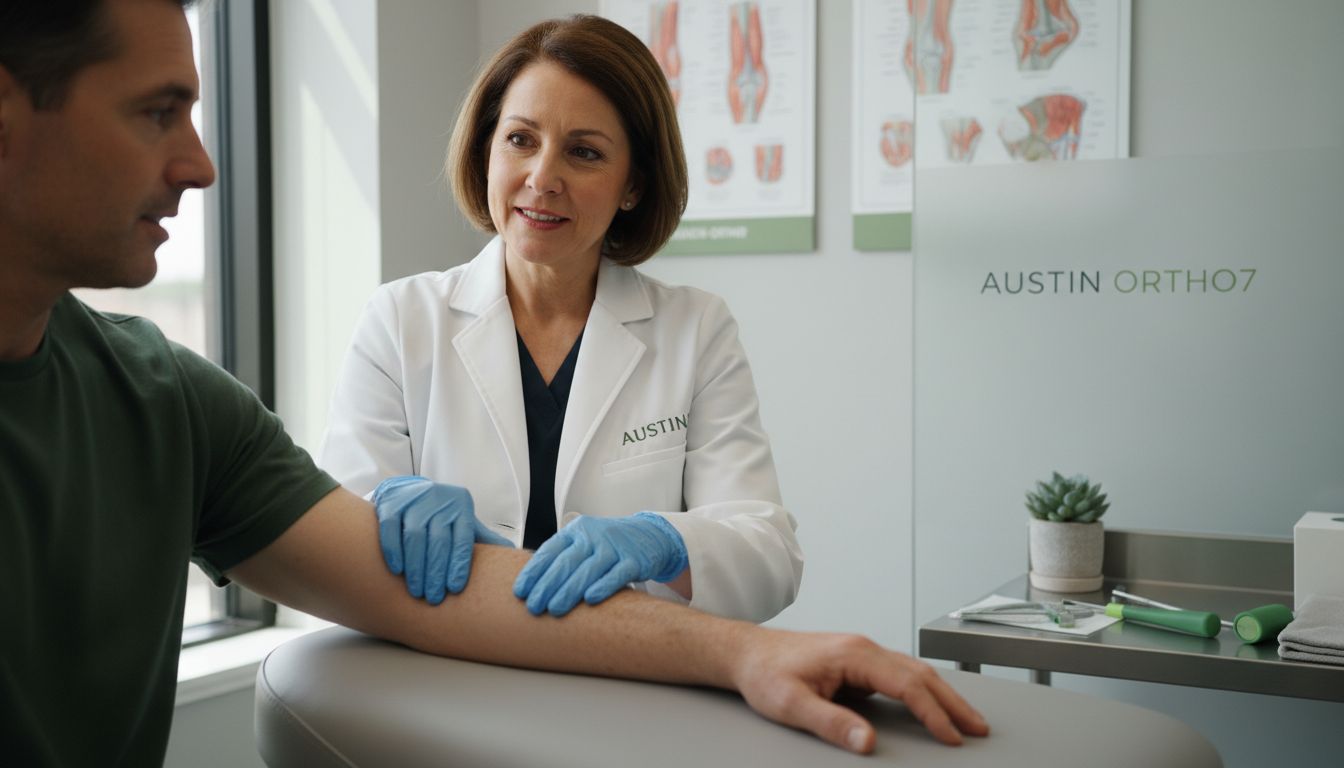
Elbow doctors are particularly skilled at managing sports-related injuries, workplace repetitive strain conditions, and age-related degenerative joint problems. They employ sophisticated diagnostic techniques like imaging studies, physical examinations, and detailed patient history reviews to develop personalized treatment plans that address each individual’s unique physiological needs and recovery goals.
Common Elbow Injuries and Conditions
Elbow injuries can range from acute traumatic conditions to chronic overuse syndromes that significantly impact daily function and mobility. Athletes, workers, and individuals of all ages are susceptible to these complex joint-related challenges that require specialized medical expertise.
According to orthoinfo.aaos.org, common elbow injuries include several distinct conditions that orthopedic specialists frequently diagnose and treat:
- Tennis Elbow (Lateral Epicondylitis): Painful inflammation on the outer elbow caused by repetitive wrist and arm motions
- Golfer’s Elbow (Medial Epicondylitis): Similar condition affecting the inner elbow region
- Ulnar Collateral Ligament Injuries: Damage to stabilizing ligaments, often seen in throwing athletes
- Osteochondritis Dissecans: A condition affecting joint cartilage and underlying bone
Our comprehensive guide on elbow and wrist pain provides deeper insights into understanding these complex conditions. These injuries often develop through repetitive stress, sudden trauma, or cumulative microtrauma that gradually weakens joint structures.
As orthoinfo.aaos.org highlights, elbow dislocations represent another critical injury type. These traumatic events occur when joint surfaces separate completely, potentially involving significant ligament and bone damage. Professional medical intervention becomes crucial in these scenarios to restore proper joint alignment and prevent long-term functional impairments.
Diagnosis and Treatment Methods Explained
Diagnosing elbow conditions requires a comprehensive approach that combines advanced medical techniques with detailed patient assessment. Orthopedic specialists employ a multi-step diagnostic process designed to pinpoint the exact nature and severity of elbow-related problems.
According to orthoinfo.aaos.org, the diagnostic journey typically involves:
- Physical Examination: Detailed assessment of joint mobility, pain points, and functional limitations
- Imaging Studies: X-rays, MRI scans, and ultrasound to visualize internal joint structures
- Patient History: Comprehensive review of previous injuries, activity levels, and symptom progression
- Specialized Testing: Range of motion assessments and potential diagnostic injections
Our guide on elbow injury symptoms offers additional insights into recognizing potential joint issues. Treatment methods range from conservative approaches to advanced surgical interventions, with options carefully tailored to each patient’s specific condition and needs.
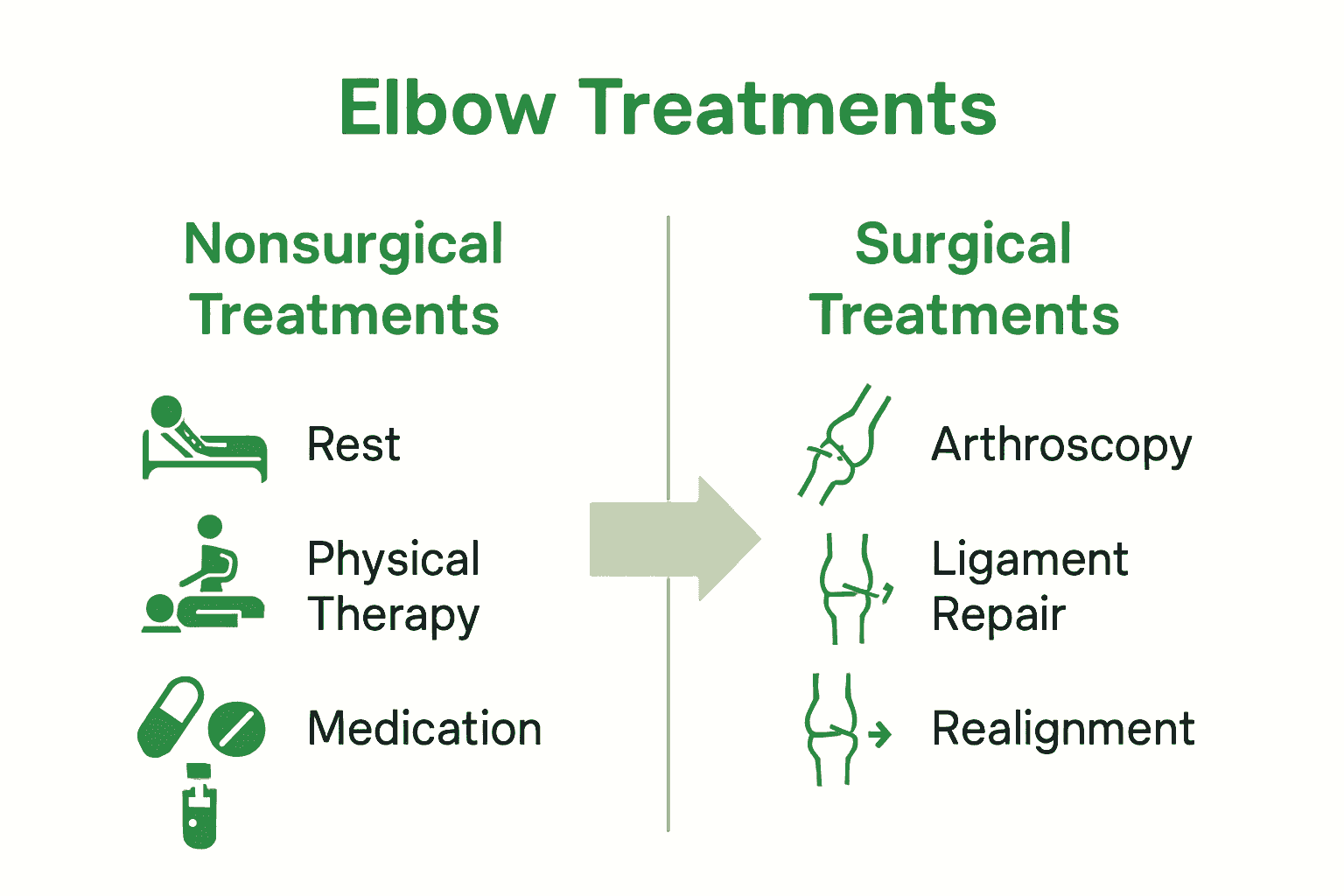
As orthoinfo.aaos.org highlights, treatment strategies often include a combination of techniques such as:
-
Non-Surgical Interventions
- Rest and activity modification
- Physical therapy
- PRP therapy for targeted healing
- Anti-inflammatory medications
-
Surgical Options
- Elbow arthroscopy
- Joint realignment procedures
- Ligament reconstruction
- Bone spur removal
The goal of these comprehensive diagnostic and treatment approaches is to restore optimal joint function, alleviate pain, and help patients return to their normal activities with minimal long-term limitations.
Surgical vs Nonsurgical Elbow Treatments
Choosing between surgical and nonsurgical treatments for elbow conditions requires careful evaluation of multiple factors, including the severity of injury, patient health, and potential long-term outcomes. Orthopedic specialists approach each case with a personalized strategy designed to maximize healing and restore optimal joint function.
According to orthoinfo.aaos.org, nonsurgical treatments typically represent the first line of intervention and include:
- Rest and Activity Modification: Reducing stress on the affected joint
- Physical Therapy: Targeted exercises to improve strength and flexibility
- Medications: Anti-inflammatory drugs to manage pain and swelling
- PRP Therapy: Advanced regenerative treatment to stimulate healing
Our comprehensive guide on elbow surgery provides deeper insights into when surgical intervention becomes necessary. Surgical options are typically considered when conservative treatments fail to provide adequate relief or when structural damage requires direct intervention.
As orthoinfo.aaos.org highlights, surgical treatments may be recommended in scenarios such as:
-
Complex Joint Injuries
- Severe ligament tears
- Persistent joint instability
- Fractures requiring realignment
-
Conditions Resistant to Conservative Treatment
- Chronic pain unresponsive to nonsurgical methods
- Significant range of motion limitations
- Structural abnormalities preventing natural healing
Ultimately, the decision between surgical and nonsurgical treatments depends on a thorough assessment of individual patient needs, potential risks, and expected recovery outcomes. Orthopedic specialists work closely with patients to develop the most appropriate treatment plan, ensuring the best possible path to recovery.
Selecting the Right Elbow Specialist in Austin
Choosing the ideal elbow specialist requires careful consideration of multiple factors that extend beyond basic medical credentials. Patients in Austin need a strategic approach to finding an orthopedic professional who can provide comprehensive, personalized care for their specific upper extremity conditions.
According to aaos.org, several critical considerations should guide your selection process:
- Specialized Experience: Expertise in specific elbow conditions
- Treatment Approach Diversity: Multiple intervention strategies
- Sports Injury Knowledge: Understanding athletic-related joint challenges
- Comprehensive Diagnostic Skills: Advanced assessment capabilities
Our comprehensive guide to top orthopedic clinics in Austin provides additional insights into identifying exceptional medical professionals. Key qualifications to evaluate include board certification, fellowship training in upper extremity care, and a proven track record of successful patient outcomes.
Critical factors to consider when selecting an elbow specialist include:
-
Professional Credentials
- Board certification in orthopedic surgery
- Fellowship training in upper extremity care
- Ongoing medical education and research involvement
-
Patient-Centered Approach
- Personalized treatment planning
- Clear communication
- Comprehensive rehabilitation strategies
- Advanced treatment options like PRP therapy
Ultimately, the right elbow specialist will combine technical expertise with a compassionate approach, offering patients in Austin a comprehensive pathway to recovery and improved joint function.
What to Expect: Recovery, Costs, and Appointments
Navigating the journey of elbow treatment involves understanding the complex landscape of recovery, financial considerations, and medical scheduling. Austin patients should approach their orthopedic care with a comprehensive perspective that balances medical needs with practical planning.
According to orthoinfo.aaos.org, recovery from elbow procedures involves several critical stages:
- Pain Management: Controlled strategies for comfort
- Physical Therapy: Structured rehabilitation protocols
- Gradual Activity Resumption: Carefully monitored return to normal functions
- Ongoing Monitoring: Regular check-ups to ensure proper healing
Our comprehensive recovery guides provide additional insights into navigating post-treatment rehabilitation. Financial considerations are equally important, with treatment costs varying based on procedure complexity, insurance coverage, and individual patient needs.
Typical appointment and recovery expectations include:
-
Initial Consultation
- Comprehensive diagnostic evaluation
- Treatment strategy discussion
- PRP therapy suitability assessment
-
Recovery Timeline
- Immediate post-procedure care
- Structured rehabilitation schedule
- Progressive functional restoration
As orthoinfo.aaos.org highlights, patients should anticipate a personalized approach that considers their unique medical history, injury complexity, and individual healing potential. Open communication with your orthopedic specialist remains the cornerstone of successful treatment and optimal recovery.
Find Expert Elbow Care That Matches Your Needs in Austin
If you are struggling with persistent elbow pain, unstable joints, or recovering from an injury like tendon tears or dislocations, you deserve specialized care tailored just for you. This comprehensive guide has shown how critical it is to have an elbow doctor skilled in advanced diagnosis and treatment options including PRP therapy, physical rehabilitation, and surgical interventions. At Elbow Pain & Treatment Articles | Austin Orthopedic Care you can learn more about specific conditions and effective solutions that work.
Take control of your elbow health today by consulting with Dr. Manish V. Patel and his expert team at Austin Hand To Shoulder. Their patient-centered approach ensures personalized treatment plans that not only address your pain but also restore function so you can get back to the activities you love. Do not wait for symptoms to worsen. Schedule your appointment now through the website to start your journey toward lasting relief and stronger joint health. To explore all orthopedic care options available locally, visit Orthopedic Care Archives – Austin Hand To Shoulder and take the first step toward a pain-free future.
Frequently Asked Questions
What conditions does an elbow doctor typically treat?
An elbow doctor treats a range of conditions including overuse injuries, traumatic injuries, joint instability, and complex trauma such as fractures and dislocations.
What are the common symptoms of elbow injuries?
Common symptoms of elbow injuries include pain, swelling, limited range of motion, and discomfort during daily activities, particularly after repetitive strain or acute trauma.
How are elbow injuries diagnosed?
Elbow injuries are diagnosed through a comprehensive approach that includes a physical examination, imaging studies like X-rays or MRIs, patient history review, and specialized testing to assess joint function.
When should I consider surgical treatment for my elbow condition?
Surgical treatment may be considered if conservative, nonsurgical approaches fail to relieve symptoms, in cases of complex joint injuries or significant structural damage, and when there are chronic range of motion limitations.
Recommended
- 8 Key Signs in Your Elbow Injury Symptoms Checklist – Austin Hand To Shoulder
- Understanding Elbow Anatomy Explained: A Comprehensive Overview – Austin Hand To Shoulder
- 7 Effective Elbow Pain Treatment Options for Austin Residents – Austin Hand To Shoulder
- 8 Key Signs in Your Elbow Injury Symptoms Checklist – Austin Hand To Shoulder


