

Most American adults underestimate how complex wrist surgery can be, with nearly half believing any procedure means months in a cast. Persistent wrist pain and limited mobility affect daily life far more than most people expect, yet myths often stop patients from getting help. Understanding what modern wrist surgery really involves will help clear up confusion and highlight the real options for relief.
Table of Contents
- Defining Wrist Surgery And Common Misconceptions
- Recognizing Key Symptoms Requiring Surgery
- Non-Surgical Treatments And Their Limits
- Diagnostic Tests To Confirm Wrist Damage
- When Surgery Becomes Necessary And Next Steps
Key Takeaways
| Point | Details |
|---|---|
| Wrist Surgery Is Multifaceted | Wrist surgery includes various advanced techniques like arthroscopy, tailored to individual conditions for effective treatment. |
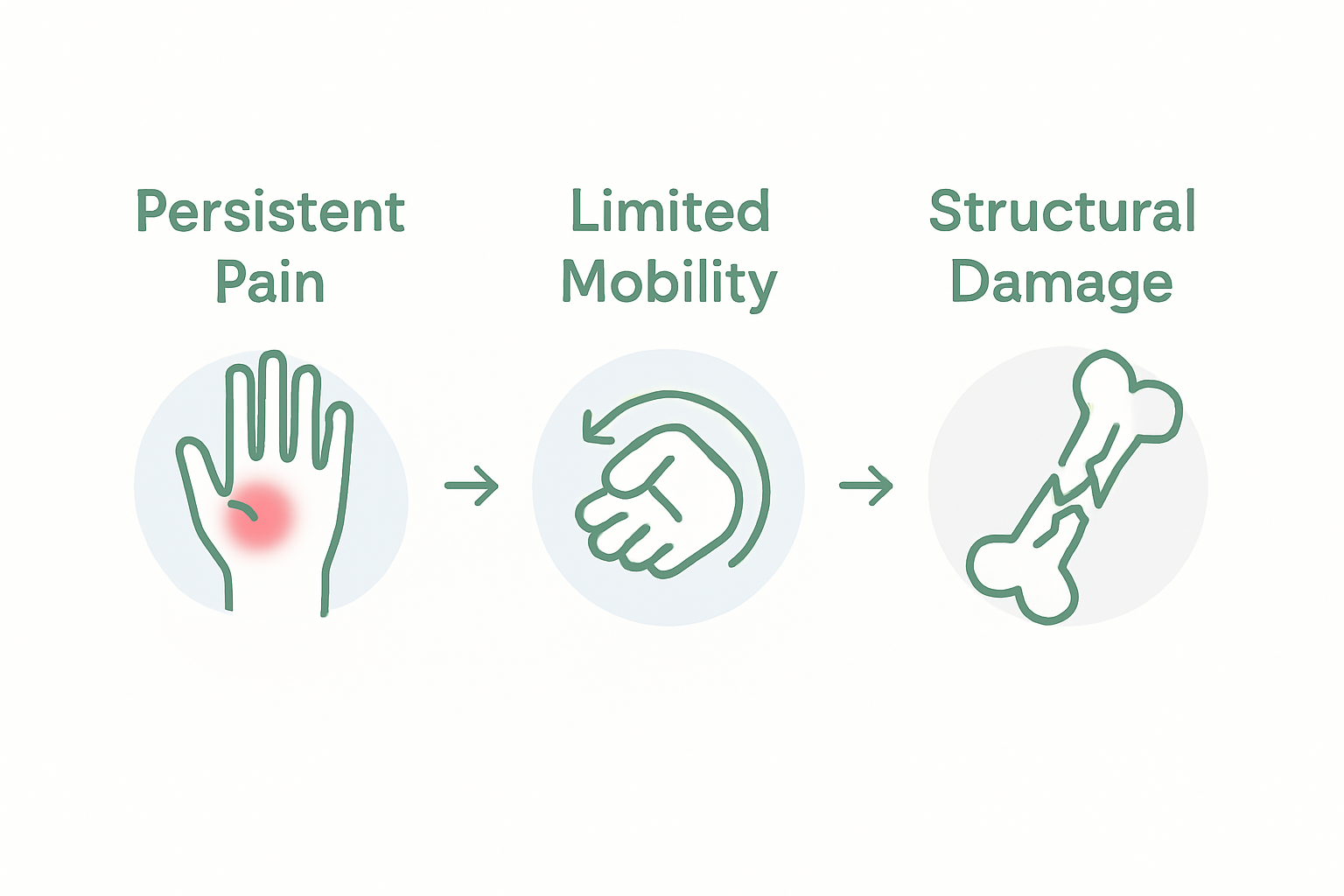
| Recognizing When Surgery Is Necessary | Persistent pain, limited mobility, and structural damage are key indicators that surgery may be needed if conservative treatments fail. |
| Limits of Non-Surgical Treatments | While conservative methods like physical therapy can manage mild conditions, they may not address complex structural issues requiring surgery. |
| Comprehensive Diagnostic Process | Accurate diagnosis of wrist issues relies on advanced imaging techniques and may include direct visualization through arthroscopy to identify specific problems. |
Defining Wrist Surgery and Common Misconceptions
Wrist surgery is a specialized orthopedic procedure designed to diagnose, repair, and restore functionality to the complex joint connecting your hand and forearm. Unlike popular misconceptions, wrist surgery isn’t just a single technique but encompasses multiple sophisticated approaches tailored to specific conditions.
A wrist arthroscopy represents one of the most advanced minimally invasive surgical techniques available today. This procedure uses a small camera to precisely diagnose and treat problems within the wrist joint, addressing chronic issues like persistent pain, ganglion cysts, and ligament tears. Surgeons can perform intricate repairs through tiny incisions, reducing recovery time and potential complications.
Common misconceptions about wrist surgery often prevent patients from seeking necessary treatment. Many individuals mistakenly believe that surgical intervention is always a last resort or that recovery requires extended immobilization. In reality, modern orthopedic techniques like wrist fracture repair can help patients regain mobility and function much faster than traditional methods. Advanced surgical approaches now focus on minimizing tissue damage, accelerating healing, and providing targeted interventions that address specific joint problems.
Patients experiencing persistent wrist pain, limited range of motion, or recurrent injuries should understand that surgical options have dramatically evolved. What once required extensive open surgeries can now often be addressed through precise, less invasive techniques that prioritize quick recovery and optimal outcomes. Understanding these nuanced approaches helps patients make informed decisions about their orthopedic care and potential surgical interventions.
Recognizing Key Symptoms Requiring Surgery
Wrist surgery becomes a critical consideration when conservative treatments fail to address persistent and debilitating symptoms. Chronic wrist conditions can significantly impact daily functionality, signaling the potential need for surgical intervention.

Several key symptoms suggest that surgical treatment might be necessary. Persistent pain that does not respond to rest, medication, or physical therapy is a primary indicator. Medical professionals typically observe that wrist pain accompanied by swelling and decreased range of motion may require more aggressive medical approaches. These symptoms often indicate underlying structural issues that cannot be resolved through non-invasive treatments.
Patients should pay close attention to specific warning signs that might necessitate surgical evaluation. These include:
- Inability to perform basic daily activities
- Chronic weakness in hand and wrist
- Visible deformity or significant joint instability
- Numbness or tingling sensations
- Recurring injuries that do not heal properly
Additionally, structural problems like severe ligament tears, advanced arthritis, or complex fractures often require surgical intervention. When non-surgical treatments such as physical therapy, bracing, or PRP therapy fail to provide relief, orthopedic surgeons may recommend surgical procedures to restore wrist functionality and alleviate chronic discomfort. Understanding these symptoms and seeking timely professional evaluation can prevent long-term complications and potential permanent joint damage.
Non-Surgical Treatments and Their Limits
Conservative treatments offer initial hope for wrist pain management, providing patients with alternatives to invasive surgical procedures. However, these approaches have inherent limitations that ultimately determine when surgical intervention becomes necessary.
Physical therapy represents one of the primary non-surgical approaches for addressing wrist conditions. Patients typically undergo targeted exercises designed to strengthen surrounding muscles, improve joint flexibility, and reduce inflammation. PRP therapy emerges as an innovative alternative, utilizing the body’s own healing mechanisms to promote tissue repair and reduce chronic pain. These treatments work effectively for mild to moderate conditions but may fall short when dealing with complex structural damage or advanced joint deterioration.
The spectrum of non-surgical treatments includes multiple strategies:
- Bracing and immobilization
- Anti-inflammatory medications
- Corticosteroid injections
- Physical therapy techniques
- Regenerative treatments like PRP
- Lifestyle and ergonomic modifications
Despite their potential benefits, these treatments have clear boundaries. When pain persists, range of motion remains restricted, or structural integrity is compromised, surgical consultation becomes imperative. Orthopedic specialists evaluate each case individually, understanding that while conservative methods can provide temporary relief, they cannot rebuild damaged joint structures or correct significant mechanical failures. The transition from non-surgical to surgical treatment represents a critical decision point in managing complex wrist conditions.
Diagnostic Tests to Confirm Wrist Damage
Identifying the precise nature of wrist damage requires a comprehensive diagnostic approach that goes beyond surface-level examinations. Complex wrist injuries demand sophisticated imaging and assessment techniques to accurately diagnose underlying structural problems.
Medical professionals utilize multiple diagnostic methods to evaluate wrist damage comprehensively. Imaging technologies play a crucial role in this process, with X-rays, CT scans, MRI, and ultrasound providing detailed insights into bone structures, soft tissue conditions, and potential joint abnormalities. Wrist arthroscopy stands out as a particularly advanced diagnostic tool, allowing direct visualization of internal joint structures and enabling precise identification of ligament tears, cartilage damage, and other intricate medical conditions.
The diagnostic process typically involves several key stages:
- Comprehensive medical history review
- Physical examination and range of motion assessment
- Advanced imaging studies
- Potential minimally invasive diagnostic procedures
- Specialized orthopedic consultation
Each diagnostic test serves a specific purpose in understanding wrist damage. Some focus on bone integrity, while others examine soft tissue conditions. Orthopedic specialists carefully select diagnostic approaches based on individual patient symptoms, medical history, and initial physical examination findings. When traditional imaging fails to provide complete information, more invasive diagnostic procedures like arthroscopy may be recommended to obtain a definitive understanding of the underlying wrist condition.
When Surgery Becomes Necessary and Next Steps
Deciding to pursue wrist surgery is a critical medical decision that requires careful evaluation and understanding of specific surgical interventions. The transition from conservative treatments to surgical options becomes imperative when persistent pain, limited mobility, and structural damage compromise daily functionality.
Surgical intervention becomes necessary when non-surgical treatments fail to provide adequate relief. Medical professionals assess multiple factors including the severity of tissue damage, potential for recovery, and impact on overall joint function. Wrist arthroscopy emerges as a minimally invasive option that allows surgeons to diagnose and treat complex wrist conditions with reduced recovery time and minimal tissue disruption.
Key indicators that surgery may be required include:
- Chronic pain unresponsive to conservative treatments
- Significant reduction in range of motion
- Structural instability or joint deformity
- Progressive weakness in hand and wrist
- Recurring injuries that impair daily activities
- Potential long-term joint damage
The surgical process involves comprehensive pre-operative planning, detailed patient consultation, and a personalized approach to treatment. Orthopedic specialists carefully evaluate individual patient needs, considering factors like age, overall health, and specific wrist condition. Recovery strategies, including targeted physical therapy and potential regenerative treatments like PRP, play a crucial role in ensuring optimal surgical outcomes and restoring full wrist functionality.
Take Control of Your Wrist Health with Expert Care
If you are experiencing persistent wrist pain, decreased range of motion, or signs of structural damage, it is essential to understand when wrist surgery might be necessary. This guide highlights common warning signs like chronic pain and joint instability that should not be ignored. At Wrist Injury & Treatment Guides | Austin Orthopedic Blog, you can find valuable resources to better understand your condition and explore treatment options.

Don’t let wrist issues hold you back from daily activities or cause long-term damage. Dr. Manish V. Patel, a fellowship-trained, board-certified surgeon in Austin, Texas, offers personalized surgical and non-surgical care designed to restore your wrist function effectively. Visit https://handtoshoulderaustin.com to schedule a consultation and take the first step toward pain relief and improved mobility. Learn more about Upper Extremity Pain Management | Austin Orthopedic Blog and discover comprehensive solutions tailored to your wrist and hand needs.
Frequently Asked Questions
What are the common signs that indicate I may need wrist surgery?
Persistent pain, swelling, decreased range of motion, chronic weakness, visible deformity, or recurring injuries that do not heal properly are key signs indicating the need for wrist surgery.
When should I consider surgery for my wrist pain?
If conservative treatments such as medication, physical therapy, or bracing fail to provide relief and symptoms persist, you should consider consulting an orthopedic specialist about potential surgical options.
What non-surgical treatments can be tried before wrist surgery?
Non-surgical treatments include physical therapy, bracing, anti-inflammatory medications, corticosteroid injections, and regenerative treatments like PRP therapy, which may help alleviate mild to moderate wrist conditions.
How is wrist surgery diagnosed and evaluated?
Wrist surgery assessment typically involves a thorough medical history review, physical examinations, advanced imaging studies (like X-rays or MRIs), and possibly minimally invasive diagnostic procedures like wrist arthroscopy to accurately diagnose wrist issues.
Recommended
- 7 Common Types of Wrist Injuries and How to Identify Them – Austin Hand To Shoulder
- Best Practices for Wrist Rehabilitation After Injury – Austin Hand To Shoulder
- How to Strengthen Wrist After Surgery: Step-by-Step Recovery Guide – Austin Hand To Shoulder
- 7 Common Examples of Wrist Surgeries and Their Uses – Austin Hand To Shoulder


