

Arthritis in the hands, wrists, elbows, or shoulders makes even simple tasks feel difficult. For many people, traditional pain treatments are not enough. Over 54 million adults in the United States live with arthritis, searching for better ways to ease discomfort and regain movement. PRP injections use the body’s own healing power to reduce pain and may offer a way to improve joint function for those seeking new solutions.
Table of Contents
- What Are PRP Injections for Arthritis?
- How Platelet-Rich Plasma Therapy Works
- Who Is a Candidate for PRP Injections?
- Benefits and Risks of PRP for Arthritis
- Comparing PRP Injections With Other Treatments
Key Takeaways
| Point | Details |
|---|---|
| Innovative Treatment | PRP injections leverage the body’s natural healing mechanisms to address arthritis pain, targeting upper extremity joints. |
| Preparation Process | The procedure involves drawing the patient’s blood, concentrating platelets through centrifugation, and injecting them into affected joints. |
| Candidate Selection | Ideal candidates include individuals with mild to moderate osteoarthritis who seek non-surgical treatment options. |
| Benefits vs. Risks | While PRP therapy can lead to improved joint function and reduced pain, potential risks include temporary site pain and minor infection risk. |
What Are PRP Injections for Arthritis?
Platelet-rich plasma (PRP) injections represent an innovative regenerative treatment targeting arthritis pain in upper extremity joints, specifically designed to harness the body’s natural healing mechanisms. According to OrthoInfo, PRP is a concentrated solution derived directly from a patient’s own blood, containing powerful growth factors that may significantly improve joint function and reduce inflammation.
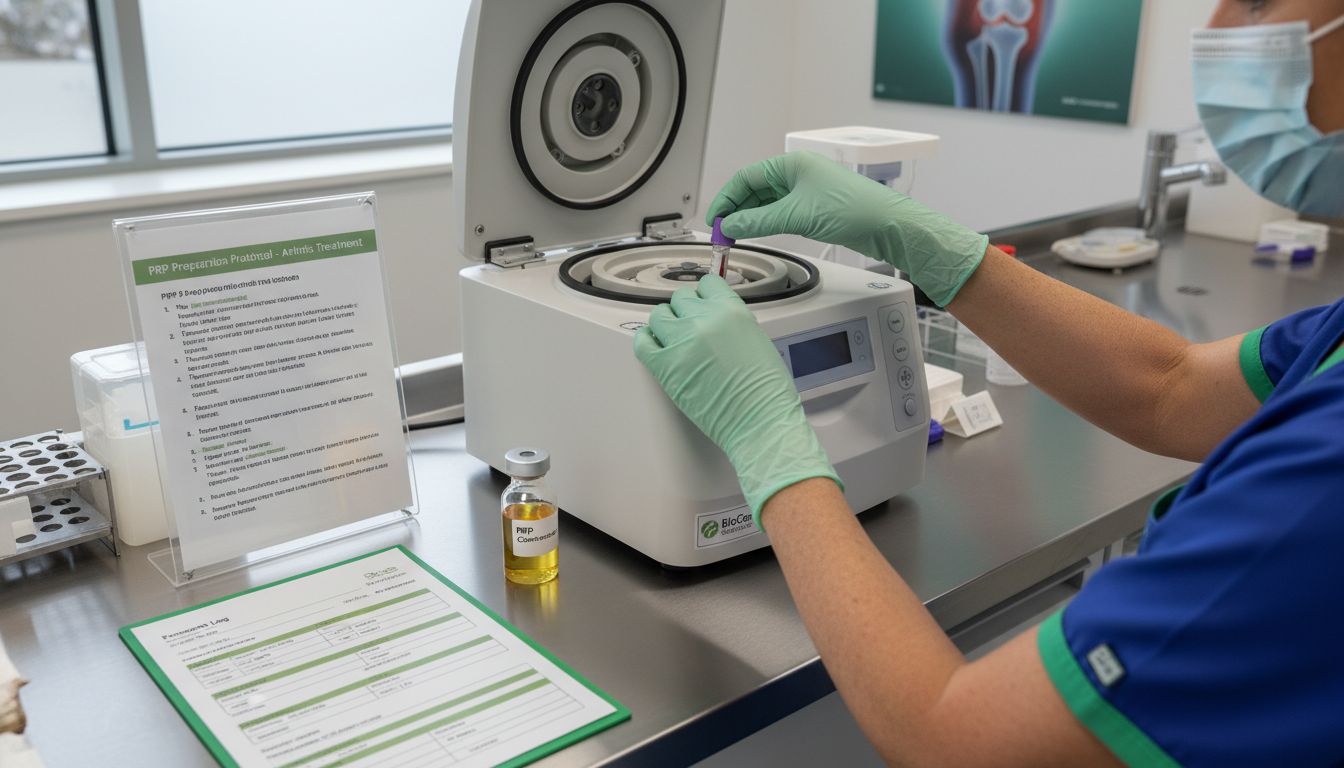
The preparation process involves drawing a small amount of the patient’s blood and using specialized centrifuge technology to separate and concentrate platelets. These concentrated platelets contain numerous growth factors and proteins that can potentially stimulate tissue repair and reduce inflammation in arthritic joints.
 AAOS suggests that PRP injections work by:
- Reducing joint inflammation
- Promoting natural tissue regeneration
- Potentially slowing down cartilage degeneration
- Providing pain management without invasive surgical intervention
For patients experiencing arthritis in upper extremity joints like hands, wrists, shoulders, or elbows, PRP therapy offers a promising non-surgical alternative that leverages the body’s innate healing capabilities. By using the patient’s own biological material, PRP for Hands: Complete Guide for Austin Patients highlights the personalized approach Dr. Patel takes in developing targeted treatment strategies for each individual’s unique condition.
Unlike traditional treatments that merely manage symptoms, PRP injections aim to address the underlying physiological processes contributing to joint deterioration. This regenerative approach makes it an attractive option for patients seeking to improve joint function and potentially slow the progression of arthritis in their upper extremity joints.
How Platelet-Rich Plasma Therapy Works
Platelet-rich plasma (PRP) therapy is a sophisticated regenerative treatment that transforms a patient’s own blood into a powerful healing solution for arthritic joints. According to OrthoInfo, the process begins with a straightforward blood draw, where a small sample is collected from the patient and then processed through specialized centrifuge technology to concentrate the healing platelets.
The therapy’s mechanism centers on biological amplification. PubMed research reveals that concentrated platelets release growth factors that trigger multiple healing responses:
- Stimulating tissue regeneration
- Reducing inflammatory responses
- Recruiting repair cells to damaged joint areas
- Promoting natural healing mechanisms
During the procedure, Dr. Patel carefully prepares the PRP by spinning the blood sample at high speeds, which separates platelets and growth factors from other blood components. PRP Therapy Austin explains that these concentrated platelets are then precisely injected into the targeted upper extremity joint, such as the shoulder, elbow, wrist, or hand, where arthritis symptoms are most pronounced.
Unlike traditional treatments that simply mask pain, PRP therapy aims to address the underlying joint degeneration. By harnessing the body’s own healing potential, this innovative approach offers Austin patients a cutting-edge alternative to manage arthritis symptoms, potentially slowing joint deterioration and improving overall joint function without invasive surgical intervention.
Who Is a Candidate for PRP Injections?
PRP injections are not a one-size-fits-all solution, but rather a targeted regenerative treatment for patients experiencing specific arthritis conditions in upper extremity joints. According to OrthoInfo, ideal candidates typically include individuals with mild to moderate osteoarthritis who have not found sufficient relief through conventional treatments like medication or physical therapy.
PubMed research highlights several key criteria for determining PRP injection candidacy:
- Patients with persistent joint pain in shoulders, elbows, wrists, or hands
- Individuals who have not responded adequately to traditional pain management
- Those seeking a non-surgical alternative to joint repair
- Patients with early to intermediate stage arthritis
Dr. Patel evaluates potential candidates through a comprehensive assessment that considers medical history, current joint condition, and overall health status. Arthritis Treatment Options Guide emphasizes that not everyone is an ideal candidate, with factors like advanced joint degeneration, severe inflammatory conditions, or certain systemic health issues potentially limiting PRP therapy’s effectiveness.
Ultimately, the decision to pursue PRP injections is a collaborative process between patient and physician. While the treatment offers promising results for many suffering from upper extremity arthritis, a thorough consultation and diagnostic evaluation are crucial to determine whether this innovative regenerative approach aligns with an individual’s specific medical needs and treatment goals.
Benefits and Risks of PRP for Arthritis
PRP injections represent a nuanced regenerative treatment for arthritis that balances potential therapeutic benefits with carefully considered risks. According to OrthoInfo, patients can expect potential improvements in joint function and pain reduction through this innovative approach, which harnesses the body’s natural healing mechanisms for upper extremity joint conditions.
PubMed research highlights the comprehensive benefits and potential risks of PRP therapy:
Benefits:
- Reduced joint inflammation
- Improved mobility in arthritic joints
- Potential slowing of disease progression
- Non-surgical pain management
Potential Risks:
- Temporary injection site pain
- Minor risk of infection
- Slight chance of tissue or nerve irritation
- Individual variability in treatment response
Arthritis Treatment & Insights emphasizes that while PRP therapy offers a promising alternative to traditional treatments, individual patient outcomes can vary. Dr. Patel conducts thorough assessments to minimize risks and maximize potential benefits, ensuring each patient receives personalized care tailored to their specific upper extremity joint condition.
Ultimately, PRP injections provide Austin patients suffering from arthritis a cutting-edge option that prioritizes natural healing and minimally invasive intervention. By carefully weighing the potential benefits against the minimal risks, patients can make an informed decision about whether this regenerative approach aligns with their personal health goals and treatment preferences.
Comparing PRP Injections With Other Treatments
PRP therapy stands out as a regenerative treatment that offers a unique approach to managing arthritis compared to traditional medical interventions for upper extremity joint conditions. PubMed research provides a comprehensive comparison of various arthritis treatment methodologies, highlighting the distinctive characteristics of PRP injections.
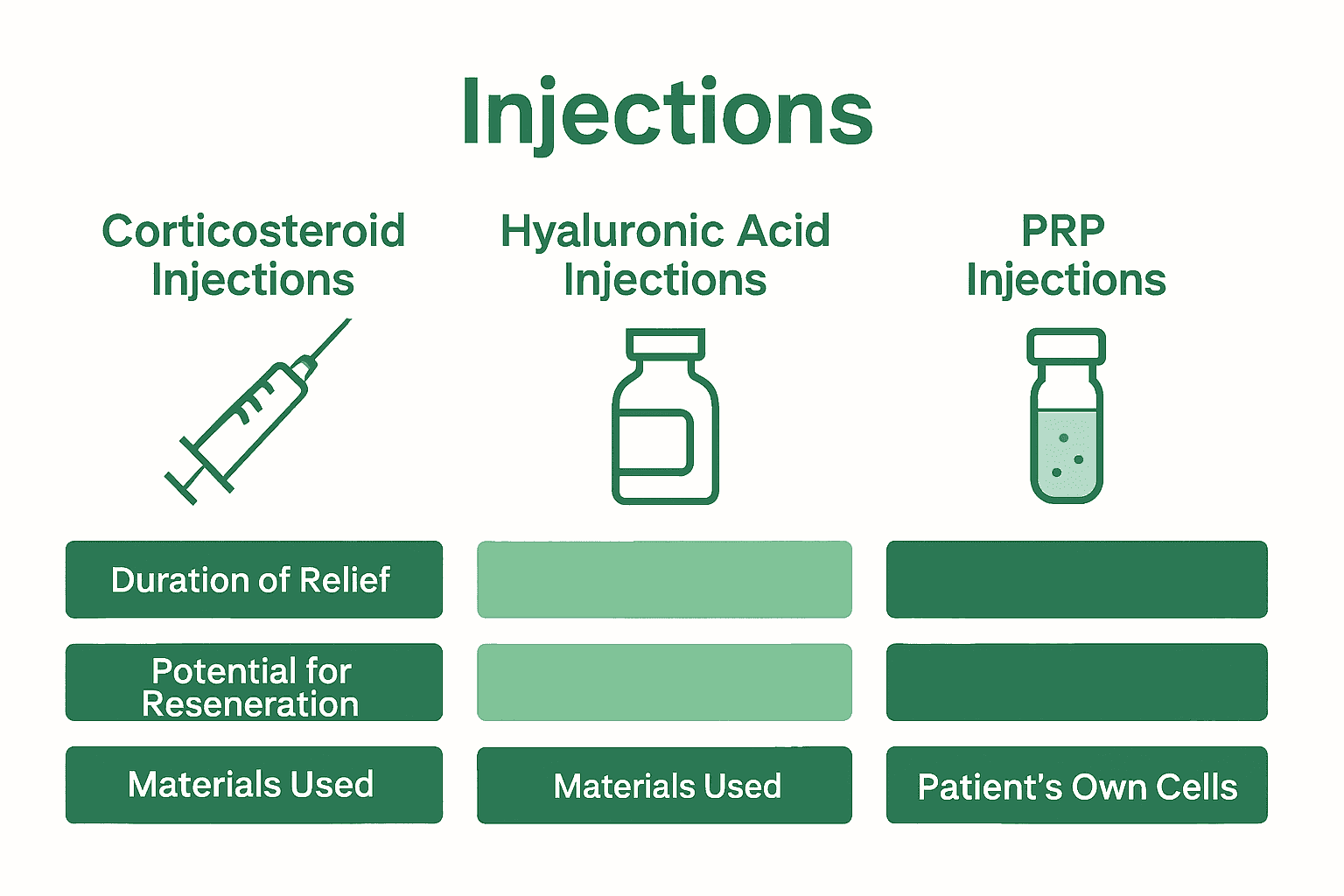
Key comparisons between PRP and alternative treatments include:
Traditional Treatments:
- Corticosteroid Injections
- Provide quick but temporary pain relief
- Can potentially weaken joint tissues over time
- Hyaluronic Acid Injections
- Offer lubrication for joints
- Limited long-term regenerative potential
PRP Injections:
- Promote natural healing processes
- Potentially slow disease progression
- Utilize patient’s own biological materials
- Minimal risk of adverse reactions
PRP Therapy Articles underscore that while other treatments primarily mask symptoms, PRP therapy aims to address the underlying joint degeneration. Dr. Patel emphasizes that each treatment approach is unique, and the optimal solution depends on individual patient characteristics, disease progression, and specific upper extremity joint conditions.
Unlike conventional treatments that offer temporary relief, PRP injections represent a forward-thinking approach to arthritis management. By leveraging the body’s natural healing mechanisms, this innovative therapy provides Austin patients with a personalized, minimally invasive option that potentially offers more sustainable long-term joint health and improved functionality.
Discover Personalized PRP Solutions for Arthritis Relief in Austin
If arthritis in your shoulder, elbow, wrist, or hand is holding you back from daily activities, you are not alone. Finding effective ways to reduce pain and restore joint function can feel overwhelming. PRP injections offer a regenerative treatment that goes beyond symptom management by using your body’s own healing power to fight inflammation and potentially slow joint degeneration. Learn more about this innovative approach in our PRP Therapy Articles | Regenerative Medicine Austin Blog and explore how it compares to other advanced options in our Arthritis Treatment & Insights | Austin Hand To Shoulder Center.

Start your journey toward improved joint health today with expert care tailored to your unique arthritis challenges. Dr. Manish V. Patel, a fellowship-trained, board-certified surgeon at Austin Hand To Shoulder Center, specializes in upper extremity conditions and develops personalized treatment plans focused on your recovery and long-term wellness. Don’t wait for arthritis pain to worsen. Visit https://handtoshoulderaustin.com to schedule a consultation and take the first step toward natural healing and lasting relief.
Frequently Asked Questions
What are PRP injections for arthritis?
PRP injections for arthritis involve using a concentrated solution derived from a patient’s own blood, which contains growth factors to help reduce pain and inflammation in affected joints, promoting healing and potentially slowing down joint degeneration.
Who is a good candidate for PRP injections?
Ideal candidates for PRP injections include individuals with mild to moderate osteoarthritis of upper extremity joints who have not achieved sufficient relief from traditional treatments like medication or physical therapy.
How do PRP injections work to improve arthritis symptoms?
PRP injections work by injecting concentrated platelets into arthritic joints, which release growth factors that stimulate tissue regeneration, reduce inflammation, and promote natural healing processes in the affected area.
What are the potential benefits and risks of PRP therapy for arthritis?
The benefits of PRP therapy include reduced joint inflammation, improved mobility, and non-surgical pain management. Potential risks may include temporary injection site pain, minor infection risk, and variability in individual response to treatment.


