

Most American adults underestimate the complexity of carpal tunnel recovery, even though over 400,000 procedures are performed annually across the United States. For Austin residents, understanding proper rehabilitation and pain management after surgery makes all the difference. Expert orthopedic care and personalized exercise routines help you avoid setbacks, dispel common recovery myths, and put you on a steady path to lasting relief and restored wrist function.
Table of Contents
- Defining Carpal Tunnel Recovery And Misconceptions
- Types Of Carpal Tunnel Surgery And Treatments
- Phases Of Recovery And Expected Timeline
- Rehabilitation Techniques For Wrist Mobility
- Pain Management Strategies After Surgery
- Common Mistakes Affecting Long-Term Results
Key Takeaways
| Point | Details |
|---|---|
| Understanding Recovery | Carpal tunnel recovery requires active engagement in rehabilitation rather than passive rest or immobilization. Successful outcomes depend on personalized treatment protocols and strategies. |
| Innovative Treatment Options | Advanced options like PRP therapy offer non-invasive alternatives to surgery, leveraging the body’s healing processes to reduce inflammation and support recovery. |
| Phased Recovery Approach | Recovery unfolds in distinct phases, emphasizing wound care, mobility reintroduction, and functional restoration, each requiring tailored rehabilitation strategies. |
| Pain Management Essentials | Effective pain management post-surgery includes non-opioid medications and holistic approaches, focusing on patient comfort and minimizing medication risks. |
Defining Carpal Tunnel Recovery and Misconceptions
Carpal tunnel syndrome represents a complex nerve condition affecting thousands of Austin residents annually, involving compression of the median nerve in the wrist. Understanding carpal tunnel recovery goes far beyond simple rest and requires strategic medical intervention and targeted rehabilitation techniques. Dr. Manish V. Patel’s specialized orthopedic approach focuses on comprehensive treatment that addresses both surgical and non surgical pathways for complete recovery through targeted wrist care.
Many patients misunderstand carpal tunnel recovery, believing it involves passive healing or temporary immobilization. In reality, successful rehabilitation demands active engagement, progressive exercises, and professional medical guidance. Common misconceptions include thinking surgery automatically resolves symptoms or that complete recovery happens quickly. The truth is more nuanced: recovery requires patience, strategic rehabilitation, and personalized treatment protocols that address individual anatomical variations and underlying nerve compression mechanisms.
Advanced treatment options like PRP therapy provide promising alternatives for patients seeking non invasive approaches to carpal tunnel syndrome management. These innovative techniques leverage the body’s natural healing processes, potentially reducing inflammation and supporting nerve function without extensive surgical intervention. Patients in Austin benefit from understanding that recovery is not a linear process but a dynamic journey involving multiple treatment strategies, from conservative interventions to surgical corrections.
Pro tip: Work closely with your orthopedic specialist to develop a personalized recovery roadmap that matches your specific carpal tunnel syndrome characteristics and lifestyle requirements.
Types of Carpal Tunnel Surgery and Treatments
Carpal tunnel syndrome treatment involves multiple surgical and non surgical approaches, with advanced comparative research revealing nuanced intervention strategies. Dr. Manish V. Patel’s orthopedic practice offers comprehensive solutions tailored to individual patient needs, ranging from minimally invasive techniques to advanced surgical interventions. The goal is always to decompress the median nerve and restore optimal wrist functionality while minimizing potential complications.
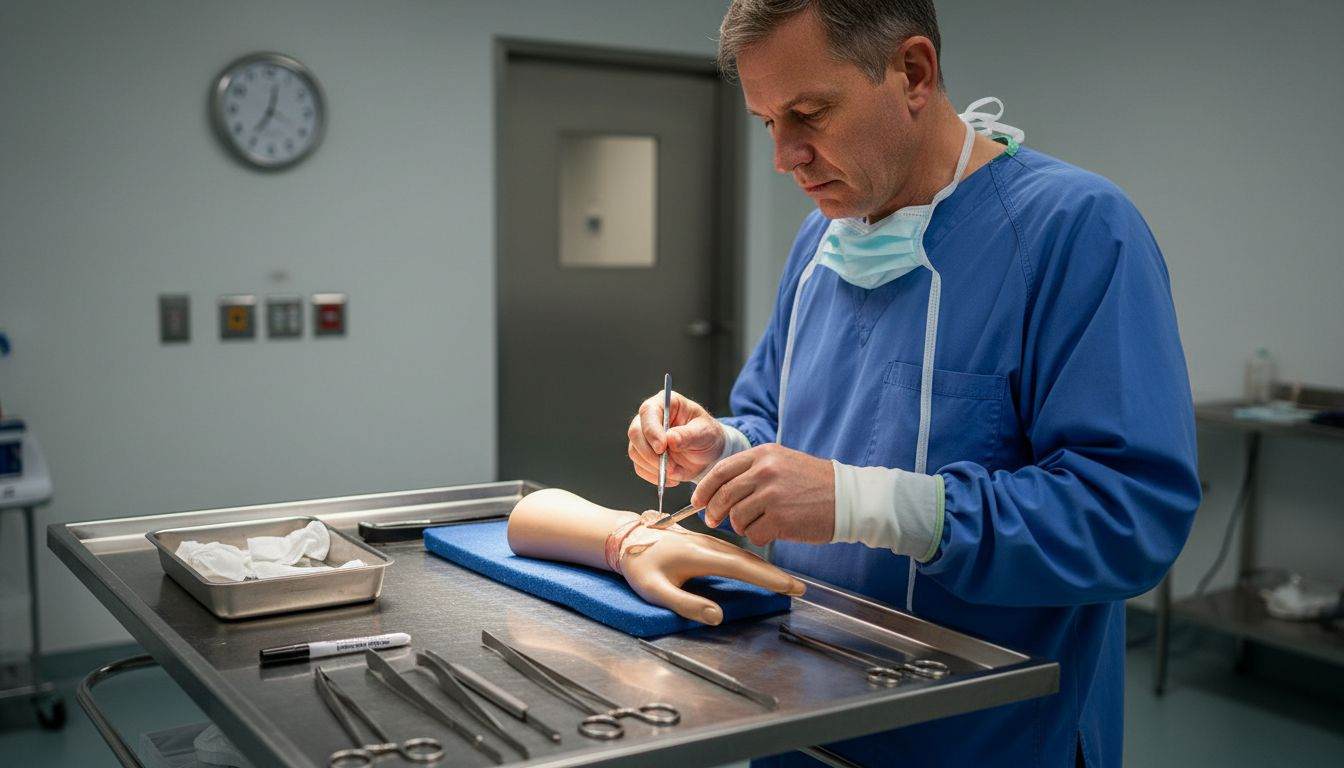
Surgical treatments typically include several primary approaches. Open carpal tunnel release remains a traditional method where surgeons make a small incision in the wrist to cut the transverse carpal ligament, creating more space for the compressed median nerve. Endoscopic procedures offer an alternative with smaller incisions and potentially faster recovery times. These techniques include single-port and two-port endoscopic releases, which utilize specialized surgical instruments and miniature cameras to guide precise ligament cutting with minimal tissue disruption.
Beyond traditional surgical methods, innovative treatments like PRP therapy and ultrasound-guided interventions provide promising non invasive alternatives. These techniques focus on reducing inflammation, supporting natural healing processes, and potentially avoiding surgical intervention altogether. Austin patients benefit from a personalized approach that considers factors such as age, overall health, severity of nerve compression, and individual lifestyle requirements when determining the most appropriate treatment strategy.
Here is a comparison of key carpal tunnel treatment methods to help clarify your options:
| Treatment Approach | Main Benefit | Recovery Timeline | Typical Candidates |
|---|---|---|---|
| Open Surgery | Direct nerve decompression | 8-12 weeks | Severe or persistent cases |
| Endoscopic Surgery | Small incision, quicker healing | 6-10 weeks | Those seeking minimal scarring |
| PRP Therapy | Reduces inflammation naturally | 4-8 weeks | Early-stage or non-surgical candidates |
| Ultrasound-Guided Treatment | Precise, non-invasive relief | 4-6 weeks | Mild to moderate symptoms |
Pro tip: Consult with an upper extremity specialist to thoroughly evaluate your specific carpal tunnel syndrome symptoms and understand the most appropriate treatment pathway for your unique condition.
Phases of Recovery and Expected Timeline
Carpal tunnel recovery follows a structured progression that demands patience and strategic rehabilitation. Patients in Austin can typically expect a comprehensive recovery roadmap that unfolds across multiple distinct phases, each targeting specific healing and functional restoration objectives. The initial phase focuses on protecting the surgical site, managing pain, and preventing complications, while subsequent stages gradually reintroduce movement and strengthen the affected wrist.
The recovery timeline generally spans three primary phases. Immediate post-surgical phase (0-2 weeks) involves strict wound care, pain management, and minimal wrist movement to prevent stress on healing tissues. Intermediate rehabilitation phase (2-6 weeks) introduces gentle stretching, progressive range of motion exercises, and initial strength training under professional guidance. The advanced recovery phase (6-12 weeks) emphasizes full functional restoration, advanced strengthening protocols, and preparing the wrist for return to normal daily and professional activities.
Individual recovery experiences vary significantly based on factors like surgical technique, patient age, overall health, and adherence to rehabilitation protocols. PRP therapy can potentially accelerate healing during these recovery stages by promoting natural tissue regeneration and reducing inflammation. Patients should maintain close communication with their orthopedic specialist, tracking progress and adjusting rehabilitation strategies to optimize outcomes and prevent potential setbacks.
The following table summarizes typical phases of carpal tunnel recovery and what to expect:
| Recovery Phase | Main Focus | Expected Duration |
|---|---|---|
| Initial | Wound care, pain control | 0-2 weeks |
| Rehabilitation | Mobility, gentle exercises | 2-6 weeks |
| Advanced Restoration | Full strength, normal activity | 6-12 weeks |
Pro tip: Document your recovery progress through daily journaling, tracking pain levels, mobility improvements, and exercise compliance to provide valuable insights for your medical team.
Rehabilitation Techniques for Wrist Mobility
Wrist mobility rehabilitation requires a systematic and carefully planned approach that addresses multiple aspects of healing and functional restoration. Comprehensive rehabilitation interventions evaluated by recent research demonstrate the importance of targeted exercises, nerve gliding techniques, and progressive strengthening protocols. Dr. Manish V. Patel’s orthopedic practice emphasizes individualized treatment plans that adapt to each patient’s unique recovery needs and surgical outcomes.
The rehabilitation process typically involves several key techniques. Nerve gliding exercises help restore median nerve flexibility and reduce potential adhesions, while range of motion stretches gradually reintroduce movement to the wrist joint. These techniques are carefully sequenced to prevent overexertion and support natural healing processes. Therapeutic exercise protocols recommend specific wrist extension and flexion stretches designed to improve joint mobility, reduce stiffness, and rebuild muscle strength without compromising surgical repair.
Advanced rehabilitation strategies incorporate PRP therapy and targeted strengthening exercises to support tissue regeneration and functional recovery. Patients in Austin benefit from a holistic approach that considers not just physical rehabilitation, but also pain management, psychological support, and gradual return to daily activities. The key is maintaining a delicate balance between active rehabilitation and allowing sufficient time for biological healing processes to complete their natural course.
Pro tip: Work closely with your physical therapist to develop a personalized rehabilitation timeline that respects your body’s healing capacity while progressively challenging your wrist mobility.
Pain Management Strategies After Surgery
Recent systematic research on postoperative pain control reveals critical insights into effective pain management following carpal tunnel release surgery. Dr. Manish V. Patel’s orthopedic practice emphasizes a nuanced, multimodal approach that prioritizes patient comfort while minimizing potential medication risks. The primary goal is achieving optimal pain control through strategic interventions that support natural healing processes and reduce dependence on powerful pain medications.
The recommended pain management strategy typically involves a combination of non-opioid treatments. Non-steroidal anti-inflammatory drugs (NSAIDs) and acetaminophen form the cornerstone of post-surgical pain control, with clinical guidelines strongly discouraging routine opioid prescriptions. PRP therapy can also play a supportive role in managing inflammation and reducing pain through natural regenerative processes. Patients are advised to follow a carefully structured medication plan that balances pain relief with minimal side effects, always under close medical supervision.
Comprehensive pain management extends beyond medication. Cold and heat therapy, gentle movement exercises, and stress reduction techniques contribute significantly to pain control. Austin patients benefit from a holistic approach that considers individual pain thresholds, overall health conditions, and specific surgical outcomes. The key is creating a personalized pain management strategy that adapts to the patient’s unique recovery trajectory and supports both physical and psychological healing.
Pro tip: Maintain a detailed pain journal documenting medication effectiveness, pain levels, and any side effects to help your medical team optimize your pain management plan.
Common Mistakes Affecting Long-Term Results
Comprehensive research identifying diagnostic and treatment pitfalls reveals critical insights into potential mistakes that can compromise carpal tunnel syndrome recovery. Dr. Manish V. Patel’s orthopedic practice emphasizes proactive patient education to prevent common errors that might undermine surgical outcomes. Understanding these potential missteps is crucial for patients committed to achieving optimal long-term functional restoration.
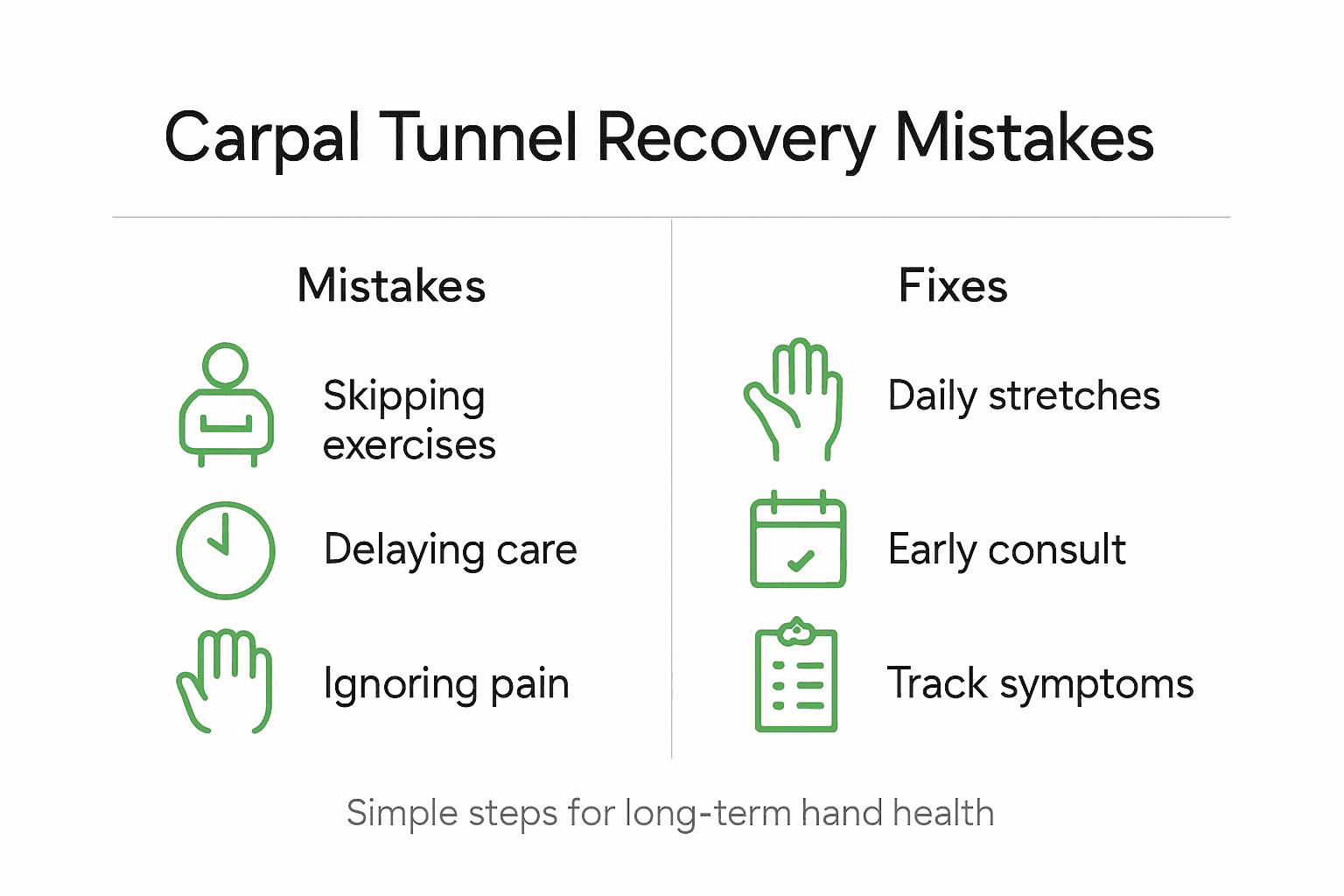
Patients often make significant mistakes during the recovery process that can negatively impact their surgical results. Premature return to strenuous activities represents a primary concern, potentially causing excessive strain on healing tissues. Other common errors include neglecting prescribed rehabilitation exercises, inadequate pain management, and failing to recognize subtle symptom changes. PRP therapy can help mitigate some recovery challenges, but patients must remain vigilant about following their specialized treatment protocol precisely.
Technical and diagnostic mistakes can also substantially affect long-term outcomes. Atypical symptom interpretation, delayed surgical intervention, and improper surgical technique can lead to suboptimal results. Austin patients benefit from working closely with specialized orthopedic surgeons who understand the nuanced complexities of carpal tunnel syndrome. The key is maintaining open communication, adhering to recommended rehabilitation strategies, and developing a comprehensive understanding of individual recovery requirements.
Pro tip: Create a detailed recovery tracking system that documents your progress, exercises, pain levels, and any concerns to help your medical team optimize your rehabilitation strategy.
Take Control of Your Carpal Tunnel Recovery Journey in Austin
Carpal tunnel syndrome can disrupt your daily life with persistent pain and limited wrist function. If you are looking to regain strength and mobility, understanding the right recovery path is key. This includes tailored rehabilitation, effective pain management, and expert guidance through advanced treatment options like PRP therapy and minimally invasive surgery. Your recovery deserves an approach that is as unique as your condition.
Discover personalized solutions from Dr. Manish V. Patel and the team at Austin Hand To Shoulder who specialize in comprehensive carpal tunnel treatments and recovery. Benefit from customized care plans designed to rebuild wrist function safely and efficiently. Start your healing journey with confidence by exploring our detailed surgery recovery and rehab guides. Don’t wait for symptoms to worsen. Visit Austin Hand To Shoulder today to schedule a consultation and take the first step toward lasting relief.
Frequently Asked Questions
What is the recovery timeline for carpal tunnel surgery?
The recovery timeline typically spans three phases: the immediate post-surgical phase (0-2 weeks), which focuses on wound care and pain management; the intermediate rehabilitation phase (2-6 weeks), which introduces gentle exercises; and the advanced restoration phase (6-12 weeks), which aims for full strength and normal activity.
How do I manage pain after carpal tunnel surgery?
Pain management after surgery often includes non-opioid treatments such as non-steroidal anti-inflammatory drugs (NSAIDs) and acetaminophen. Cold and heat therapy, along with gentle movement exercises, can also help alleviate discomfort and enhance recovery.
What are some effective rehabilitation techniques for wrist mobility after surgery?
Effective rehabilitation techniques include nerve gliding exercises to restore flexibility, range of motion stretches to reduce stiffness, and progressive strengthening exercises to rebuild strength without compromising the surgical repair.
What are common mistakes that can affect long-term recovery from carpal tunnel syndrome?
Common mistakes include returning to strenuous activities too soon, neglecting prescribed rehabilitation exercises, and improper pain management. Staying informed and adhering to your recovery plan can help prevent these issues.
Recommended
- Complete Guide to Carpal Tunnel Surgery Austin – Austin Hand To Shoulder
- Ulnar Tunnel Syndrome: Relief for Hand Nerve Pain – Austin Hand To Shoulder
- 7 Common Examples of Wrist Surgeries and Their Uses – Austin Hand To Shoulder
- 7 Key Benefits of Wrist Surgery for Faster Recovery – Austin Hand To Shoulder


