

Over one in ten American adults will face nerve pain in the elbow at some point, disrupting daily tasks and sleep. The elbow is a critical crossroad for nerves, making it especially vulnerable to injury and discomfort. Recognizing the ways nerve compression can lead to persistent tingling, numbness, or weakness helps you act early. This guide breaks down the most common nerve pain causes, symptoms, and what every American should know about seeking timely relief.
Table of Contents
- Defining Nerve Pain In The Elbow Region
- Major Nerves Involved And Common Sites
- Primary Medical Causes And Conditions
- Typical Symptoms And Diagnostic Red Flags
- Treatment Paths And When To Seek Care
Key Takeaways
| Point | Details |
|---|---|
| Understanding Nerve Pain | Nerve pain in the elbow can result from compression of primary nerves such as the Ulnar, Median, and Radial nerves, leading to various symptoms like numbness and weakness. |
| Diagnosis and Symptoms | Persistent symptoms such as numbness, tingling, or weakness are critical red flags requiring professional evaluation, especially if they last longer than two weeks. |
| Treatment Approaches | Conservative treatments, including physical therapy and ergonomic adjustments, are first-line strategies, while surgical intervention is considered only if symptoms worsen or do not improve. |
| Proactive Strategies | Regular monitoring of symptoms and early medical evaluation can help prevent long-term nerve damage and improve overall outcomes. |
Defining Nerve Pain in the Elbow Region
Nerve pain in the elbow region represents a complex neurological condition characterized by sensory disruptions and potential motor function impairments. The elbow serves as a critical junction where multiple nerves traverse, making it susceptible to various compression and entrapment syndromes. Entrapment neuropathy around the elbow is a significant source of disability affecting individuals across different age groups.
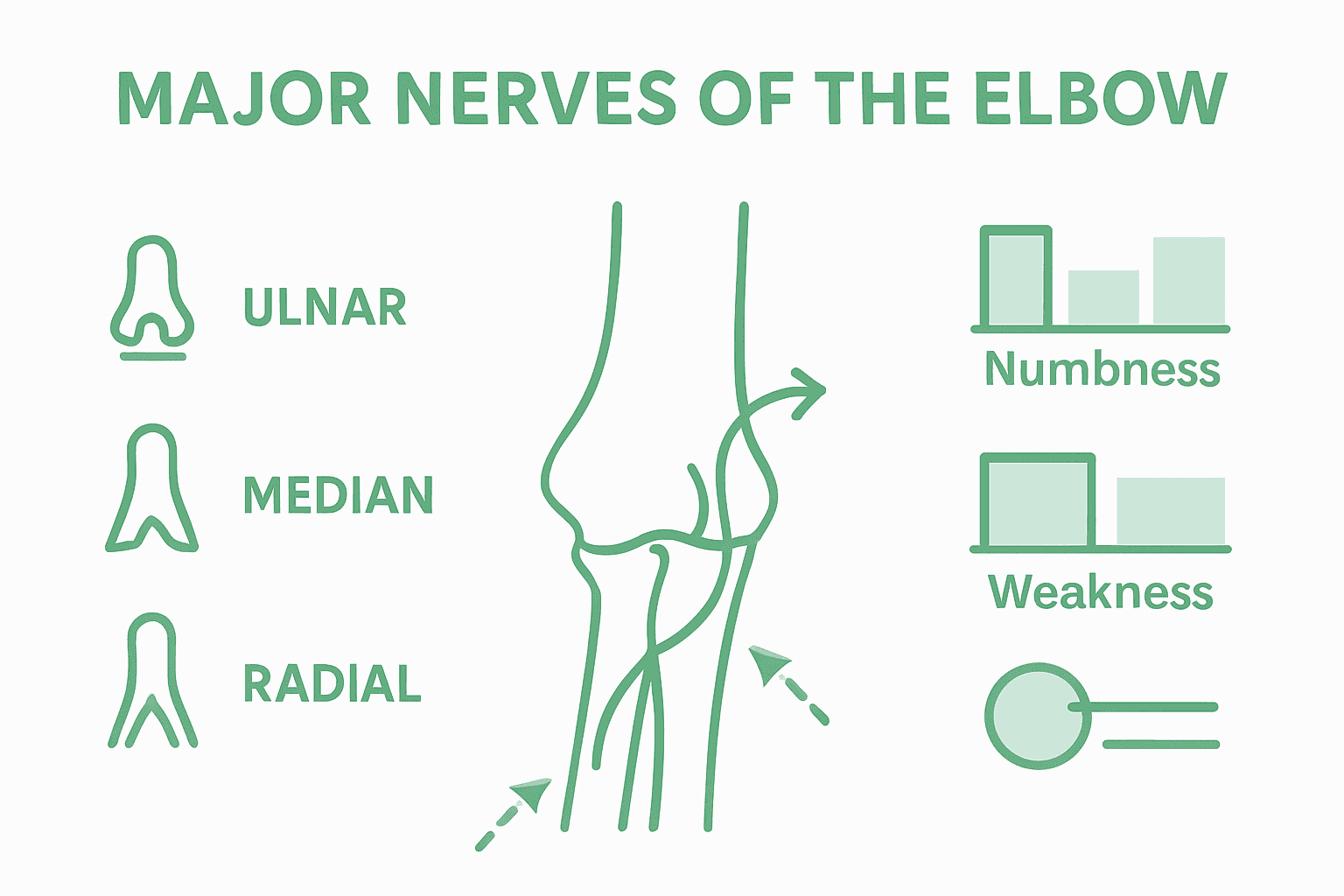
The primary nerves potentially impacted in elbow nerve pain include the ulnar, median, and radial nerves. These neural pathways can experience compression or traction that leads to significant symptoms. Specific nerve compression can manifest through pain, paresthesia, or muscle weakness, with athletes and individuals performing repetitive movements being particularly vulnerable to developing these conditions.
Specific characteristics of elbow nerve pain often include localized discomfort, tingling sensations, numbness, and potential strength reduction in the affected arm. Cubital tunnel syndrome, which specifically involves the ulnar nerve, represents the most common neuropathy affecting the elbow region. This condition can result from prolonged pressure, direct trauma, or sustained positioning that restricts normal nerve movement and function.
Pro Tip: Early Recognition Strategy: Pay attention to persistent tingling, numbness, or weakness in your arm and seek professional medical evaluation if symptoms persist beyond a few days, as prompt intervention can prevent long term nerve damage.
Nerves at Risk in the Elbow:
- Ulnar Nerve
- Median Nerve
- Radial Nerve
- Medial Antebrachial Cutaneous Nerve
- Lateral Antebrachial Cutaneous Nerve
Major Nerves Involved and Common Sites
Magnetic resonance imaging provides crucial insights into the complex nerve anatomy of the elbow region, revealing three primary neural pathways that are critical to upper extremity function. The ulnar, median, and radial nerves represent the primary neural networks responsible for sensory and motor capabilities in the arm, with each nerve having unique anatomical pathways and potential compression sites.
The ulnar nerve traverses the cubital tunnel, making it particularly susceptible to entrapment. Athletes and individuals performing repetitive arm movements are most vulnerable to ulnar nerve compression. The median nerve passes through the pronator tunnel, which can experience significant stress during repetitive gripping or twisting motions. The radial nerve winds around the radial head and can experience compression during activities involving prolonged elbow flexion or external rotation.

Electrodiagnostic studies help medical professionals precisely locate and quantify nerve compression by measuring electrical signal transmission and identifying potential blockages or disruptions. These diagnostic techniques allow orthopedic specialists to develop targeted treatment strategies that address specific nerve impairment sites and severity levels.
The anatomical complexity of these nerves means that even minor positional changes or sustained pressure can trigger significant neurological symptoms. Understanding these intricate neural pathways helps patients and healthcare providers recognize early warning signs of potential nerve damage.
Here is a summary outlining how the three main elbow nerves differ in function and common injury mechanisms:
| Nerve | Primary Function | Typical Injury Mechanism | Distinctive Symptom |
|---|---|---|---|
| Ulnar | Controls hand grip & sensation in little finger | Compression at cubital tunnel | Numbness in ring/little finger |
| Median | Enables finger flexion & thumb movement | Stress at pronator tunnel | Weak pinch or thumb issues |
| Radial | Extends wrist and fingers | Compression at radial head | Wrist drop, weak extension |
Common Nerve Compression Sites:
- Cubital Tunnel (Ulnar Nerve)
- Pronator Tunnel (Median Nerve)
- Radial Head Region (Radial Nerve)
- Arcade of Frohse (Posterior Interosseous Nerve)
Pro Tip: Nerve Protection Strategy: Incorporate regular stretching, avoid prolonged static positions, and use ergonomic equipment to minimize unnecessary nerve compression during daily activities.
Primary Medical Causes and Conditions
The elbow represents a complex anatomical junction where multiple medical conditions can generate nerve compression and pain. The intricate network of nerves in this region makes it particularly vulnerable to various medical conditions that can interrupt normal neurological function. Nerve entrapment syndromes emerge as primary culprits, with factors such as joint positioning, structural abnormalities, and repetitive movements playing significant roles in nerve irritation and potential damage.
Ulnar neuropathy at the elbow (UNE) stands out as a prominent condition resulting from both static and dynamic nerve compression. Specific medical causes include space-occupying lesions like ganglion cysts, heterotopic ossification, unusual vascular formations such as aberrant veins, and anatomical variations like the presence of an anconeus epitrochlearis muscle. These structural anomalies can significantly narrow nerve pathways, leading to increased pressure and potential neurological impairment.
Other critical medical conditions contributing to elbow nerve pain include rheumatoid arthritis, which can cause inflammatory swelling that compresses neural pathways, and degenerative joint diseases that alter the elbow’s structural integrity. Traumatic injuries, such as fractures or severe sprains, can also create long-term nerve compression risks by changing joint alignment or generating scar tissue that restricts nerve movement.
Primary Medical Conditions Causing Nerve Compression:
- Rheumatoid Arthritis
- Osteoarthritis
- Ganglion Cysts
- Heterotopic Ossification
- Repetitive Stress Injuries
- Traumatic Joint Injuries
- Structural Anatomical Variations
Pro Tip: Early Detection Strategy: Schedule regular medical evaluations if you experience persistent numbness, tingling, or weakness in your arm, as early intervention can prevent long-term nerve damage and potential surgical interventions.
Typical Symptoms and Diagnostic Red Flags
Nerve pain in the elbow presents through a complex array of neurological and sensory signals that demand careful medical interpretation. The relationship between pain symptoms and definitive nerve dysfunction is not always straightforward, making precise diagnostic evaluation critical for understanding the underlying condition.
Primary Symptomatic Indicators include persistent numbness, tingling sensations, and localized weakness in the arm and hand. Ulnar nerve neuropathies represent a significant diagnostic challenge, being the second most common upper extremity nerve compression syndrome, with symptoms that can vary widely between patients. Specific warning signs patients should monitor include:
- Intermittent numbness in ring and little fingers
- Weakness when gripping objects
- Reduced hand coordination
- Sharp or burning pain along the inner elbow
- Muscle atrophy in severe cases
- Difficulty performing fine motor skills
- Nocturnal pain that interrupts sleep
Diagnostic red flags require immediate professional medical assessment when symptoms persist beyond two weeks or demonstrate progressive deterioration. Neurological symptoms that indicate potential serious nerve compression include sudden hand weakness, complete finger numbness, or observable muscle wasting.
Critical Diagnostic Warning Signs:
- Persistent symptoms lasting more than 2 weeks
- Progressive muscle weakness
- Complete loss of sensation
- Visible muscle atrophy
- Pain unresponsive to rest or position changes
Pro Tip: Symptom Tracking Strategy: Maintain a detailed symptom journal documenting frequency, intensity, and specific activities that trigger or alleviate your elbow nerve pain, which can provide valuable diagnostic insights for medical professionals.
Treatment Paths and When to Seek Care
Conservative treatment represents the initial management strategy for nerve compression around the elbow, with multiple approaches designed to alleviate symptoms and prevent further nerve damage. The treatment progression typically involves non-invasive interventions before considering more aggressive medical approaches.
Treatment Pathway Stages:
- Initial Conservative Management
- Rest and activity modification
- Physical therapy
- Ergonomic adjustments
- Targeted stretching exercises
- Pain management techniques
- Intermediate Intervention Options
- Platelet-Rich Plasma (PRP) therapy
- Specialized nerve rehabilitation
- Bracing or supportive devices
- Targeted pain management injections
For athletes and active individuals, rehabilitation protocols must be carefully tailored to match specific functional requirements, ensuring optimal recovery and preventing future nerve complications. Electrodiagnostic studies play a crucial role in precisely mapping nerve compression and determining the most appropriate treatment strategy.
Surgical intervention becomes necessary when conservative treatments fail to provide relief or when nerve compression shows progressive neurological deterioration. Patients should seek immediate medical care if they experience:
The following table compares conservative and surgical approaches for managing elbow nerve pain:
| Approach | Key Methods | Recovery Timeline | Ideal Candidates |
|---|---|---|---|
| Conservative | Rest, therapy, ergonomic changes | Weeks to months | Mild to moderate symptoms |
| Surgical | Nerve release or relocation | Months, longer rehab | Severe or worsening compression |
Critical Care Triggers:
- Persistent numbness lasting over two weeks
- Progressive muscle weakness
- Complete loss of sensation
- Significant pain unresponsive to conservative treatments
- Observable muscle atrophy
- Sudden changes in hand or arm function
Pro Tip: Treatment Tracking Strategy: Document your symptoms, treatment responses, and functional limitations to help your healthcare provider develop a more personalized and effective treatment approach.
Find Relief from Nerve Pain in Your Elbow with Expert Care
If you are facing persistent numbness, tingling, or weakness in your arm caused by nerve compression around the elbow, you are not alone. Understanding terms like ulnar neuropathy or cubital tunnel syndrome is the first step toward recovery. Addressing these issues early is crucial to avoid permanent nerve damage and regain full arm function. Our Elbow Pain & Treatment Articles | Austin Orthopedic Care offer trusted insights tailored for Austin residents experiencing these challenges.
Take control of your elbow nerve health today by reaching out to Dr. Manish V. Patel, a fellowship-trained, board-certified surgeon who provides personalized, patient-focused treatments at Hand to Shoulder Austin. Do not let nerve pain limit your daily life. Schedule a consultation now and benefit from comprehensive care that combines advanced diagnostics and effective therapy options to reduce pain and restore arm function. Learn more about managing your pain at Upper Extremity Pain Management | Austin Orthopedic Blog and start your journey to healing.
Frequently Asked Questions
What are the common causes of nerve pain in the elbow?
Nerve pain in the elbow can be caused by various factors, including entrapment syndromes like cubital tunnel syndrome, repetitive movements, joint positioning, and structural abnormalities such as ganglion cysts or heterotopic ossification.
How can I tell if I have nerve compression in my elbow?
Signs of nerve compression may include persistent numbness, tingling sensations, weakness in the hand, and localized pain around the elbow. Symptoms like difficulty gripping objects and nocturnal pain are also indicators.
What treatments are available for nerve pain in the elbow?
Initial treatment typically involves conservative methods such as rest, physical therapy, ergonomic adjustments, and targeted stretching. If these methods are ineffective, options like platelet-rich plasma therapy or surgical intervention may be considered.
When should I seek medical help for elbow nerve pain?
You should seek medical help if you experience persistent symptoms lasting more than two weeks, progressive muscle weakness, or significant pain that does not respond to conservative treatments. Immediate attention is crucial if you notice complete loss of sensation or visible muscle atrophy.
Recommended
- Why Do My Elbows and Wrists Hurt? Complete Guide – Austin Hand To Shoulder
- 8 Key Signs in Your Elbow Injury Symptoms Checklist – Austin Hand To Shoulder
- 7 Key Signs: Elbow Arthritis Symptoms List for Austin Residents – Austin Hand To Shoulder
- Complete Guide to Elbow and Wrist Pain Relief – Austin Hand To Shoulder


