
Nearly one in three American adults will experience an upper limb injury that requires specialized treatment at some point in their lives. For Austin residents recovering from an elbow injury, the journey back to full mobility depends on expert orthopedic guidance and a personalized recovery plan. Whether your pain started suddenly or built up over time, knowing when to seek professional advice and how to tailor your recovery strategies can make all the difference in long-term healing and function.
Table of Contents
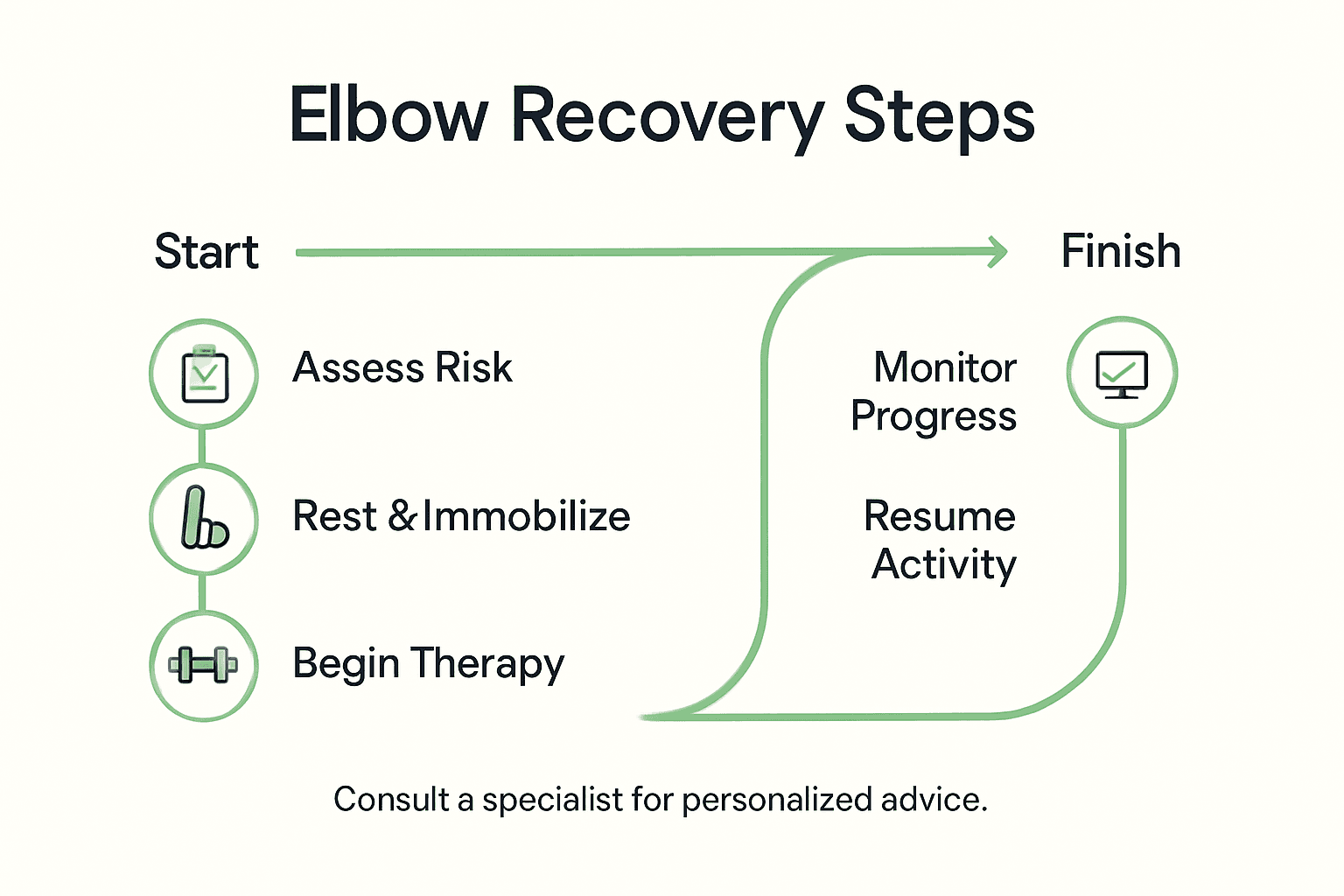
- Step 1: Assess Injury Severity and Seek Medical Advice
- Step 2: Implement Personalized Rest and Immobilization Strategies
- Step 3: Begin Guided Physical Therapy Exercises
- Step 4: Monitor Progress and Adjust Recovery Plan
- Step 5: Resume Activities Following Medical Clearance
Quick Summary
| Key Insight | Explanation |
|---|---|
| 1. Assess Injury Severity Promptly | Recognize serious symptoms and seek professional evaluation ASAP. This is vital for proper treatment and recovery. |
| 2. Follow Personalized Rest Strategies | Use specific immobilization techniques as advised by your healthcare provider to protect the injury and support healing. |
| 3. Engage in Guided Physical Therapy | Participate actively in a custom exercise program to regain strength and flexibility, while avoiding reinjury. |
| 4. Monitor Progress Regularly | Consistently evaluate your recovery through medical assessments to adapt your treatment plan effectively. |
| 5. Gradually Resume Activities | Return to normal activities incrementally, based on medical clearance, to minimize the risk of reinjury. |
Step 1: Assess Injury Severity and Seek Medical Advice
Evaluating an elbow injury requires careful observation and professional medical assessment. Your initial response can significantly impact recovery speed and prevent potential long-term complications. Understanding the nature and extent of your elbow damage is crucial for determining the most appropriate treatment strategy.
Careful examination starts with recognizing key symptoms that signal potential serious injury. Sharp persistent pain, substantial swelling, visible deformity, or inability to move your elbow normally are red flags requiring immediate medical attention. Common elbow pain indicators from medical experts include signs of tendinitis, potential fractures, or joint inflammation. Professional orthopedic evaluation involves a comprehensive physical examination where a specialist like Dr. Manish V. Patel will review your specific symptoms, conduct range of motion tests, and likely recommend diagnostic imaging such as x-rays to understand the precise nature of your injury.
Scheduling an appointment with an upper extremity specialist ensures you receive targeted treatment aligned with your specific condition. During your consultation, be prepared to discuss the circumstances of your injury, provide a detailed medical history, and describe pain characteristics. Advanced diagnostic techniques like PRP therapy might be recommended depending on your specific elbow injury type and severity.
Pro tip: Document your symptoms and injury details before your medical appointment to provide the most accurate information to your healthcare provider.
Step 2: Implement Personalized Rest and Immobilization Strategies
Recovering from an elbow injury requires strategic rest and careful immobilization tailored to your specific condition. Your primary goal during this phase is protecting the injured area while preventing additional damage and supporting natural healing processes.
Limb immobilization techniques are critical for managing orthopedic injuries effectively. Depending on your injury severity, your healthcare provider might recommend various immobilization approaches such as splints, braces, or slings designed to limit elbow movement and provide structural support. These tools help stabilize the joint, reduce inflammation, and create an optimal environment for tissue repair. The elbow rehabilitation exercises recommended by specialists can complement your immobilization strategy, ensuring you maintain muscle tone and prevent stiffness.
Here’s a comparison of common elbow immobilization devices and their recommended uses:
| Device Type | Typical Use Scenario | Advantages | Limitations |
|---|---|---|---|
| Splint | Acute injuries, fractures | Strong stability, customizable fit | Bulky, limited mobility |
| Brace | Mild sprains, healing support | Allows some movement, adjustable | Less protection, may slip |
| Sling | Soft tissue injuries, post-surgery | Lightweight, easy to wear | Minimal support, risk of improper use |
Balancing rest with controlled movement is essential. While immobilization protects your injury, prolonged inactivity can lead to muscle weakness and reduced joint flexibility. Work closely with your orthopedic specialist to develop a personalized recovery plan that gradually introduces gentle movements and progressive rehabilitation techniques.
Pro tip: Always follow your healthcare provider’s specific immobilization instructions precisely, as each injury requires a unique approach to healing.
Step 3: Begin Guided Physical Therapy Exercises
Physical therapy represents a critical phase in your elbow injury recovery, helping you regain strength, flexibility, and function through carefully designed rehabilitation exercises. Your personalized therapy program will focus on restoring joint mobility and preventing future complications.
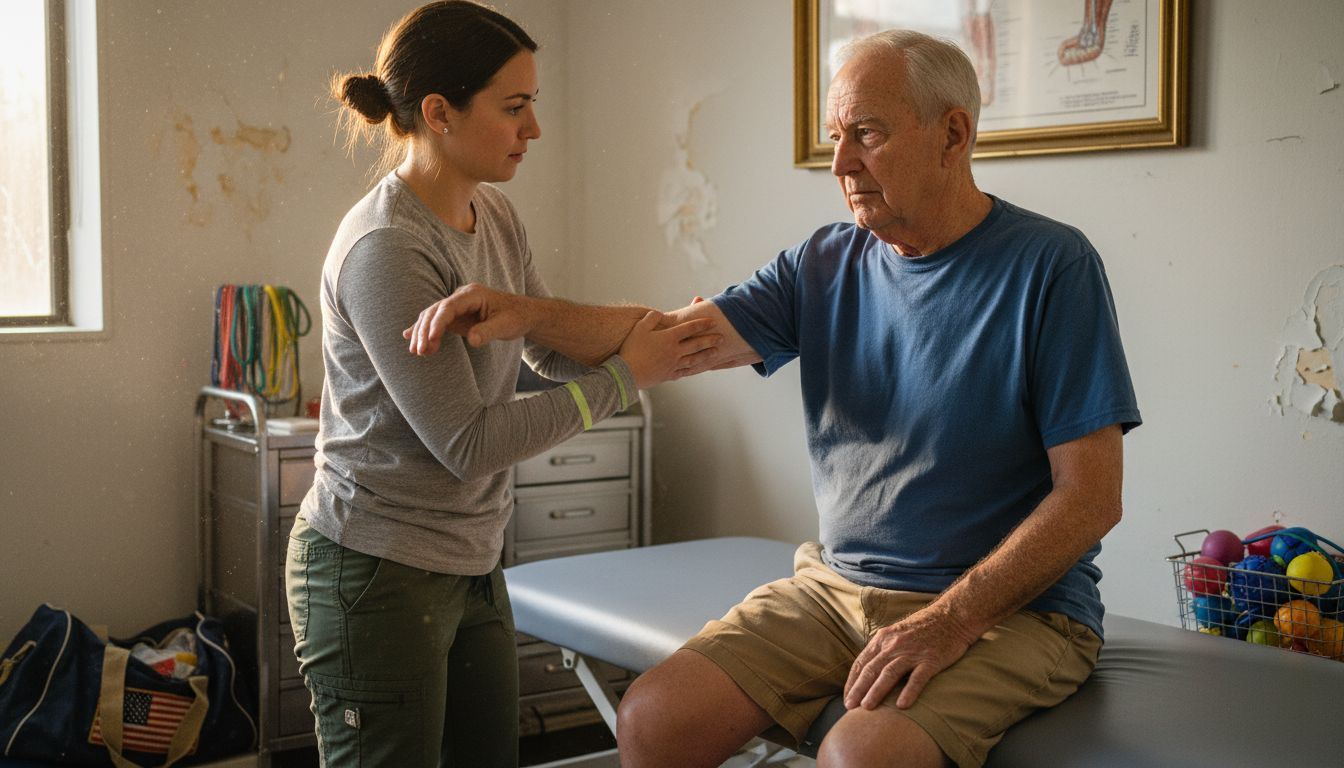
Initially, your physical therapist will conduct a comprehensive assessment to develop a customized exercise routine specific to your injury type and healing stage. Shoulder mobility exercises can often complement elbow rehabilitation, helping maintain overall upper limb flexibility and preventing muscle atrophy. These exercises typically progress from gentle range of motion movements to more advanced strength training techniques, always prioritizing your comfort and avoiding potential reinjury.
Consistent communication with your physical therapist is essential throughout the rehabilitation process. They will monitor your progress, adjust exercises as needed, and provide guidance on proper technique to maximize healing potential. Platelet Rich Plasma (PRP) therapy might be recommended alongside your exercise program to accelerate tissue repair and reduce inflammation, creating an optimal environment for recovery.
Pro tip: Keep a detailed recovery journal to track your progress and share specific observations with your physical therapist during each session.
Step 4: Monitor Progress and Adjust Recovery Plan
Effective elbow injury recovery demands consistent monitoring and strategic adjustments to ensure optimal healing. Your rehabilitation journey requires active participation and close collaboration with your healthcare providers to track your progress and modify treatment approaches as needed.
Staged rehabilitation protocols are critical for managing elbow injury recovery effectively. Your orthopedic specialist will systematically evaluate your healing progression, transitioning from passive movements to active strengthening exercises based on your individual response. This dynamic approach helps prevent potential complications like joint stiffness or muscle weakness while promoting gradual restoration of function. Platelet Rich Plasma (PRP) therapy might be recommended as a supplementary treatment to accelerate tissue repair and reduce inflammation during different stages of your recovery.
Regular medical assessments will include range of motion tests, strength evaluations, and pain level monitoring. Your healthcare team will use these assessments to make informed decisions about modifying your exercise routine, adjusting immobilization strategies, and determining when you can progress to more advanced rehabilitation techniques.
Below is a summary of key recovery milestones and monitoring methods during elbow rehabilitation:
| Milestone | Monitoring Method | Expected Outcome |
|---|---|---|
| Pain reduction | Self-reported pain scale | Increased comfort and function |
| Improved flexibility | Range of motion test | Greater joint movement |
| Strength gain | Physical therapist assessment | Enhanced muscle strength |
| Return to activity | Physician evaluation | Safe resumption of daily tasks |
Pro tip: Photograph your range of motion and keep a detailed pain and mobility journal to provide concrete evidence of your recovery progress during medical consultations.
Step 5: Resume Activities Following Medical Clearance
Returning to your normal activities after an elbow injury requires careful planning and professional guidance. This critical phase of recovery demands patience and strategic approach to prevent potential reinjury and ensure complete rehabilitation.
Sports injury rehabilitation protocols emphasize the importance of personalized ‘return-to-play’ strategies tailored to your specific healing progression. Your healthcare provider will conduct comprehensive assessments to determine your readiness for resuming work, athletic activities, or daily tasks. Platelet Rich Plasma (PRP) therapy might be recommended to support final stages of tissue repair and enhance your body’s natural healing capabilities during this transition period.
The resumption of activities is not a one-size-fits-all process. Your orthopedic specialist will design a graduated plan that incrementally increases your activity level, monitoring your elbow’s response and adjusting recommendations based on your individual strength, flexibility, and pain tolerance. This approach ensures you can confidently return to your previous lifestyle while minimizing the risk of setbacks.
Pro tip: Start with low-impact activities and progressively increase intensity only after receiving explicit approval from your healthcare provider.
Take Charge of Your Elbow Injury Recovery with Expert Guidance
Elbow injuries require careful management to avoid lasting pain and limited movement. If you are navigating the challenges of swelling, pain, or loss of function described in our Elbow Pain & Treatment Articles | Austin Orthopedic Care, you do not have to face this journey alone. Understanding immobilization strategies, guided physical therapy, and when to safely resume activities are complex steps where personalized care makes all the difference.
At https://handtoshoulderaustin.com, Dr. Manish V. Patel offers fellowship-trained orthopedic expertise tailored precisely to your unique elbow condition. With patient-focused treatment plans emphasizing safe healing and pain management, you can reclaim your strength and mobility with confidence. Begin your recovery today by scheduling a consultation or exploring more about managing your symptoms in our Upper Extremity Pain Management | Austin Orthopedic Blog, and take the first step toward lasting relief.
Frequently Asked Questions
How can I assess the severity of my elbow injury?
To assess the severity of your elbow injury, look for symptoms like sharp pain, swelling, visible deformity, or inability to move your elbow normally. If you notice these signs, seek immediate medical attention to receive a comprehensive evaluation.
What should I do immediately after injuring my elbow?
Immediately after injuring your elbow, rest the joint and consider immobilizing it using a splint or brace to prevent further injury. Schedule a consultation with an orthopedic specialist as soon as possible to get a tailored treatment plan.
When should I start physical therapy after an elbow injury?
You should begin physical therapy once your medical provider clears you for rehabilitation, which typically occurs after the initial healing has taken place. Discuss a personalized therapy program with your physical therapist to safely restore strength and mobility.
What are common strategies for immobilizing an elbow injury?
Common strategies for immobilizing an elbow injury include using splints, braces, or slings, depending on the injury’s severity. Follow your healthcare provider’s specific recommendations for the best immobilization technique, as each approach offers different levels of support.
How can monitoring my recovery progress help?
Monitoring your recovery progress helps identify improvements or setbacks in pain, flexibility, and strength. Keep a recovery journal or document changes to discuss with your healthcare provider, allowing them to adjust your treatment plan effectively.
What types of activities should I avoid while recovering from an elbow injury?
During recovery, avoid high-impact activities that stress the elbow, such as heavy lifting or sports involving upper limb use. Focus on low-impact activities and gradually increase the intensity only after receiving medical clearance to prevent reinjury.
Recommended
- 7 Essential Elbow Rehabilitation Exercises for Recovery – Austin Hand To Shoulder
- How to Strengthen Wrist After Surgery: Step-by-Step Recovery Guide – Austin Hand To Shoulder
- 7 Top Shoulder Rehab Exercises for Faster Recovery – Austin Hand To Shoulder
- Step by Step Rotator Cuff Rehab for Shoulder Recovery – Austin Hand To Shoulder


