

Shoulder pain affects up to 70 percent of people at some point, yet many misunderstand its real causes and best treatments. What feels like a simple ache often signals a tangled set of underlying issues that can disrupt sleep, limit movement, and reduce quality of life. In this guide, you will uncover common myths, learn what really drives shoulder pain, and find practical steps for lasting relief backed by current research.
Table of Contents
- Defining Shoulder Pain And Common Misconceptions
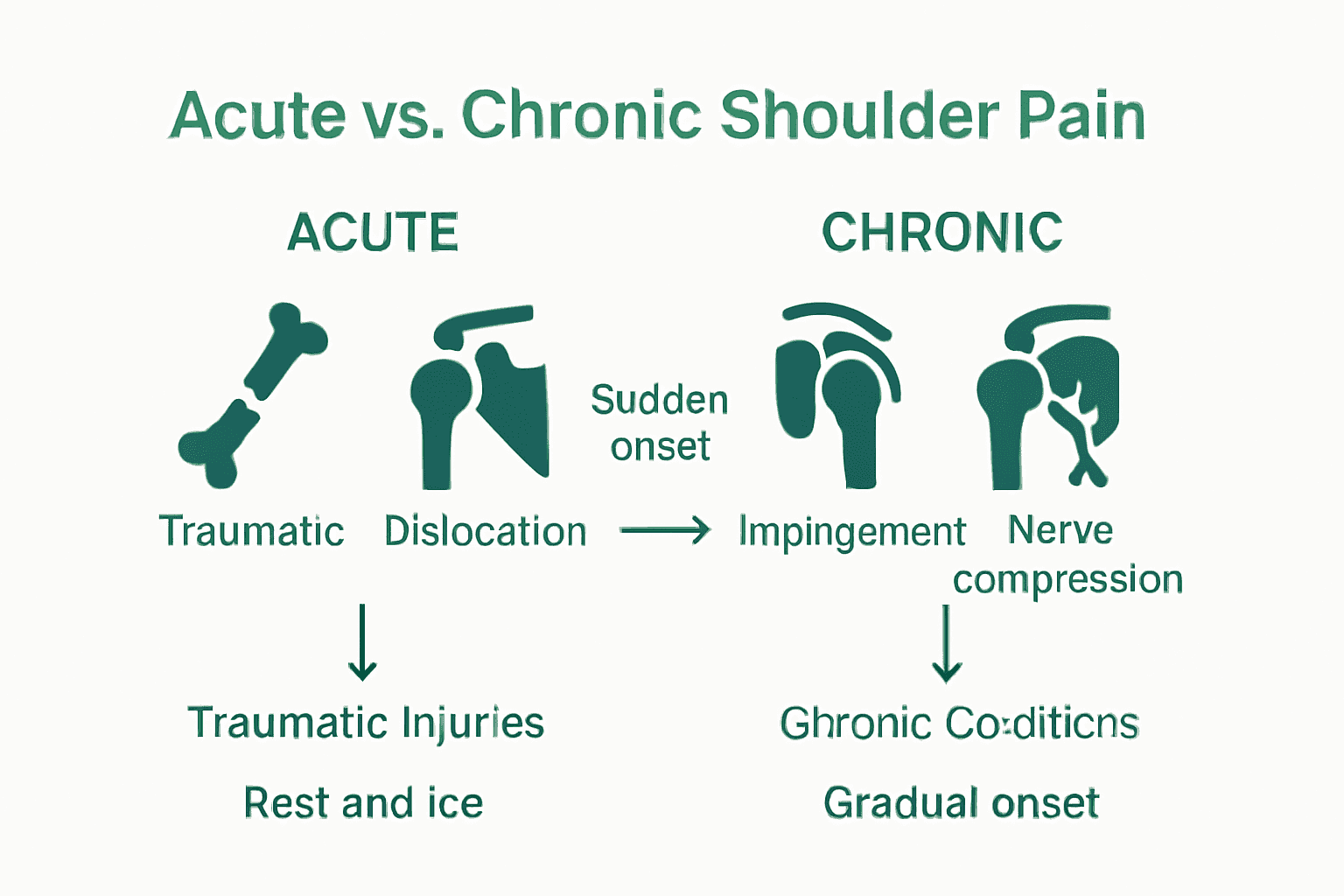
- Acute Injuries Leading To Shoulder Pain
- Chronic Conditions Affecting The Shoulder Joint
- Risk Factors And Activities Increasing Pain Likelihood
- When To Seek Orthopedic Evaluation For Shoulder Pain
Key Takeaways
| Point | Details |
|---|---|
| Complex Nature of Shoulder Pain | Shoulder pain is influenced by various factors beyond visible damage, including muscle imbalances and nerve compression. Understanding this complexity is essential for effective treatment. |
| Importance of Professional Evaluation | Timely orthopedic assessment is crucial to prevent chronic issues, especially when experiencing persistent pain or significant loss of mobility. |
| Non-Surgical Treatment Options | PRP therapy and tailored rehabilitation strategies can provide effective, non-invasive relief for many shoulder disorders. |
| Awareness of Symptoms | Recognizing warning signs, such as pain lasting beyond 2-3 weeks or inability to perform daily activities, is vital for seeking appropriate care. |
Defining Shoulder Pain and Common Misconceptions
Shoulder pain isn’t just a simple ache – it’s a complex condition that can significantly impact your daily life and mobility. According to recent research from Oxford Academic, diagnosing shoulder pain is far more nuanced than most people understand. Many individuals mistakenly believe that visible structural abnormalities automatically indicate the source of their pain, when in reality, numerous musculoskeletal conditions defy straightforward diagnosis.
Contrary to popular belief, shoulder pain isn’t always a direct result of injury or obvious damage. Academic research reveals that patients often carry significant misconceptions about their shoulder conditions. For instance, many people assume that pain equals permanent damage, which isn’t necessarily true. Some key misunderstandings include:
- Believing all shoulder pain requires immediate surgery
- Thinking imaging results definitively prove the pain’s origin
- Assuming rest is always the best treatment strategy
- Ignoring the potential role of muscle imbalances and movement patterns
Understanding shoulder pain requires a comprehensive approach that goes beyond simple structural observations. Shoulder pain can stem from various sources including muscular imbalances, nerve compression, referred pain from other body regions, and complex biomechanical issues. For a deeper exploration of early shoulder problem indicators, check out our early signs shoulder problems guide.
While individual experiences vary, professional evaluation remains crucial. PRP therapy and targeted rehabilitation strategies offer promising non-surgical alternatives for many shoulder conditions, providing hope for patients seeking pain relief without invasive procedures.
 The key is recognizing that shoulder pain is rarely a one-size-fits-all problem and requires personalized, expert assessment.
Acute Injuries Leading to Shoulder Pain
Acute shoulder injuries can strike suddenly, transforming everyday activities into painful challenges. American Academy of Family Physicians research reveals that these injuries encompass a wide range of conditions, from sudden traumatic events to complex biomechanical disruptions. Athletes, manual laborers, and weekend warriors are particularly susceptible to these rapid-onset shoulder traumas.
According to the AAFP research, acute shoulder injuries typically involve several critical anatomical areas:
- Acromioclavicular joint injuries
- Clavicle fractures
- Glenohumeral dislocations
- Proximal humerus fractures
- Rotator cuff tears
Understanding these injuries requires a comprehensive approach. Each type of acute shoulder injury presents unique challenges and potential treatment pathways.
For individuals experiencing persistent shoulder pain, exploring our guide to shoulder injury care options can provide valuable insights into potential management strategies.
While some acute injuries result from sudden impacts or overexertion, others develop through cumulative stress. PRP therapy offers a promising non-surgical intervention for many shoulder conditions, providing targeted healing and pain management. Professional evaluation remains crucial, as seemingly minor injuries can lead to long-term complications if not properly assessed and treated. Remember, early intervention and personalized treatment are key to preventing chronic shoulder problems and restoring optimal mobility.
Chronic Conditions Affecting the Shoulder Joint
Chronic shoulder conditions can transform simple movements into challenging ordeals, significantly impacting quality of life. Wikipedia highlights shoulder impingement syndrome as a prime example of these debilitating conditions, characterized by inflammation of the rotator cuff tendons as they pass through the subacromial space. This complex condition leads to persistent pain, weakness, and dramatically reduced shoulder mobility.
Another fascinating chronic condition is Parsonage–Turner syndrome, which Wikipedia describes as a neurological disorder involving sudden onset shoulder pain followed by muscle weakness and potential atrophy. The unpredictable nature of such conditions underscores the importance of comprehensive medical evaluation. Chronic shoulder issues often manifest through:
- Persistent inflammation
- Progressive muscle weakness
- Reduced range of motion
- Recurring pain during specific movements
- Structural changes in shoulder mechanics
Patients experiencing chronic shoulder challenges can benefit from exploring our guide to rotator cuff injury types, which provides deeper insights into understanding these complex conditions. PRP therapy emerges as a promising non-surgical intervention, offering targeted healing and pain management for many chronic shoulder disorders.
Understanding these conditions requires a holistic approach. While some chronic shoulder issues develop gradually, others can emerge unexpectedly, making professional medical assessment crucial.
 Early intervention, personalized treatment strategies, and comprehensive rehabilitation can significantly improve outcomes, helping patients regain mobility and reduce long-term complications. Remember, chronic shoulder conditions are not just about managing pain, but restoring your body’s natural functionality and quality of life.
Risk Factors and Activities Increasing Pain Likelihood
Shoulder pain can emerge from a complex interplay of activities, occupations, and individual physiological characteristics. Wikipedia reveals that certain populations, particularly overhead throwing athletes and middle-aged labor workers, are significantly more vulnerable to shoulder injuries like SLAP tears, which result from chronic overuse or acute stretch injuries.
High-contact sports and physically demanding professions present unique shoulder injury risks. Wikipedia highlights ‘stingers’ or ‘burners’ – neurological injuries characterized by shooting pain, numbness, and muscle weakness, typically occurring in athletes experiencing trauma to the head or neck. Key risk factors for shoulder pain include:
- Repetitive overhead movements
- Poor ergonomic practices
- Lack of proper warm-up and conditioning
- Age-related degenerative changes
- Muscle imbalances and weakness
- Previous shoulder injuries
Individuals seeking deeper insights into shoulder injury prevention can explore our guide to rotator cuff injury types, which provides comprehensive understanding of potential risks. PRP therapy offers a promising non-surgical approach for managing and mitigating shoulder pain, particularly for those experiencing chronic conditions or recurring injuries.
Understanding and mitigating these risk factors requires a proactive approach. Professional assessment, targeted exercises, and personalized rehabilitation strategies can significantly reduce the likelihood of developing chronic shoulder conditions. Remember, prevention is always more effective than treatment, and early intervention can help maintain shoulder health and overall physical functionality.
When to Seek Orthopedic Evaluation for Shoulder Pain
Recognizing the right moment to seek professional orthopedic care can be critical in preventing long-term shoulder complications. American Academy of Family Physicians research highlights specific indicators that signal the immediate need for specialized orthopedic evaluation, particularly in cases involving acute shoulder injuries.
According to Goodfellow Unit guidance, several key signals suggest it’s time to consult an orthopedic specialist. Warning signs that demand professional assessment include:
- Persistent pain lasting more than 2-3 weeks
- Significant reduction in shoulder range of motion
- Inability to perform daily activities
- Weakness or numbness in the arm or hand
- Visible shoulder deformity or swelling
- Pain that intensifies during specific movements
- Night pain that disrupts sleep
Patients seeking comprehensive insights into orthopedic care can explore our guide on why to see an orthopedic surgeon, which provides deeper understanding of specialized medical interventions. PRP therapy offers a promising non-surgical approach for many shoulder conditions, providing targeted healing and pain management strategies.
Ultimately, early professional evaluation can prevent minor issues from developing into chronic problems. While not every shoulder pain requires immediate surgical intervention, a professional assessment helps determine the most appropriate treatment pathway. Remember, your shoulder’s health is intrinsically linked to your overall mobility and quality of life – don’t hesitate to seek expert guidance when something feels consistently wrong.
Take Control of Your Shoulder Pain Today
Struggling with persistent shoulder pain can feel overwhelming and limit your daily activities. Whether you face acute injuries like rotator cuff tears or chronic conditions such as shoulder impingement syndrome, understanding your pain is the first step toward recovery. If you want expert guidance that goes beyond diagnosis and offers personalized solutions, our Upper Extremity Injury Guides | Austin Orthopedic Expert is a great resource for exploring treatment options tailored to your needs.

Do not wait for shoulder pain to worsen or steal more of your mobility. At https://handtoshoulderaustin.com Dr. Manish V. Patel specializes in patient-centered orthopedic care with individualized treatment plans designed to help you recover fully. Visit our Upper Extremity Pain Management | Austin Orthopedic Blog page to learn more about non-surgical options such as PRP therapy and comprehensive rehabilitation strategies. Schedule an appointment today to begin your path to pain relief and restored shoulder function.
Frequently Asked Questions
What are the common causes of shoulder pain?
Shoulder pain can arise from various factors such as acute injuries, chronic conditions, muscular imbalances, nerve compression, or referred pain from other areas of the body.
When should I see a doctor for shoulder pain?
You should seek orthopedic evaluation if you experience persistent pain lasting more than 2-3 weeks, significant reduction in shoulder range of motion, inability to perform daily activities, or any visible deformity or swelling in the shoulder.
Is surgery always necessary for shoulder pain?
Not necessarily. Many cases of shoulder pain can be effectively treated with non-surgical interventions, such as PRP therapy and targeted rehabilitation strategies, depending on the underlying cause.
How can I prevent shoulder pain during physical activities?
To prevent shoulder pain, ensure proper warm-up and conditioning, avoid repetitive overhead movements, maintain good ergonomic practices, and strengthen shoulder muscles to address any imbalances.


