

Facing arthritis in your finger joints can shrink your world. Simple tasks like buttoning a shirt or writing a note suddenly turn into daily battles. Yet even with this pain, over 1 million hand surgeries are performed each year in the US for conditions just like yours. Surprised? That number is rising, but the real shock is how a precise step-by-step approach can restore not just your mobility but also your confidence faster than most expect.
Table of Contents
-
Step 5: Follow Postoperative Care And Rehabilitation Guidelines
-
Step 6: Monitor Recovery And Schedule Follow-Up Appointments
Quick Summary
| Key Point | Explanation |
| 1. Consult a specialized orthopedic surgeon | Seek expert evaluation to understand your specific arthritis condition and tailored treatment options. |
| 2. Compile comprehensive medical documentation | Gather all relevant medical records, including previous treatments and imaging, for effective evaluation. |
| 3. Arrange post-surgery support and logistics | Organize transportation and home preparation to ensure a smooth recovery after surgery. |
| 4. Engage in structured rehabilitation process | Follow a personalized therapy plan to gradually restore joint functionality and alleviate pain. |
| 5. Monitor recovery with follow-up appointments | Schedule regular check-ups to track healing and address any complications early in the recovery process. |
Step 1: Consult with a Specialized Orthopedic Surgeon
Addressing arthritis in finger joints begins with finding the right medical expert who can provide comprehensive assessment and personalized treatment strategies. A specialized orthopedic surgeon offers critical insights into your specific condition, evaluating the extent of joint damage and determining whether surgical intervention represents the most effective approach for your unique circumstances.
Your initial consultation serves as a foundational moment in understanding your arthritis progression and potential surgical options. During this appointment, the surgeon will conduct a thorough physical examination, carefully assessing your finger joints’ range of motion, inflammation levels, and structural integrity. Expect a detailed medical history review that explores previous treatments, pain management attempts, and any existing medications that might impact surgical recommendations.
Preparing for this consultation requires gathering comprehensive medical documentation. Compile all relevant medical records, including previous X-rays, imaging studies, and documentation of prior treatments. These materials provide the surgeon with a complete picture of your joint health history. Be prepared to discuss specific details about your symptoms, such as pain intensity, duration of discomfort, and how arthritis impacts your daily functionality. Learn more about patient preparation for orthopedic consultations to ensure you maximize this critical medical interaction.
Key information to communicate during your consultation includes:
-
Specific locations of joint pain
-
Duration and progression of arthritis symptoms
-
Previous treatment attempts and their outcomes
-
Current medications and medical conditions
-
Impact of arthritis on your daily activities
The surgeon will likely recommend additional diagnostic tests to confirm the best surgical approach. These might include advanced imaging techniques like MRI or specialized joint function assessments. Your willingness to engage openly and provide comprehensive information helps the orthopedic specialist develop the most effective treatment strategy for managing your finger joint arthritis.
By the conclusion of this consultation, you should have a clear understanding of whether surgery represents the most appropriate intervention for your condition and what specific procedural options might best address your joint health challenges.
Step 2: Complete Preoperative Assessments and Tests
Preoperative assessments represent a critical phase in preparing for surgery for arthritis in finger joints, ensuring you are medically ready and minimizing potential surgical risks. This comprehensive evaluation goes beyond simple medical screenings, offering a detailed roadmap for your upcoming procedure and recovery trajectory.
Your orthopedic surgeon will initiate a thorough diagnostic process designed to map out the precise condition of your finger joints and overall health status. Medical imaging plays a pivotal role in this assessment, with specialized X-rays and potentially magnetic resonance imaging (MRI) providing detailed visualizations of joint damage, bone structure, and soft tissue involvement. These sophisticated imaging techniques help surgeons understand the exact extent of arthritis progression and plan the most effective surgical intervention.
Comprehensive medical evaluations will include a series of targeted examinations and laboratory tests. Blood work becomes crucial in identifying potential inflammatory markers, checking your overall health status, and screening for conditions that might complicate surgical procedures. Expect comprehensive tests that evaluate:
-
Blood chemistry and complete blood count
-
Inflammatory marker levels
-
Coagulation factors
-
Existing medication interactions
Your medical team will also conduct a detailed physical examination focusing specifically on your hand and finger joints. They will assess your current range of motion, evaluate pain levels, and document any existing limitations in joint functionality. Anesthesia consultation represents another critical component of preoperative preparation, where an anesthesiologist will review your medical history, assess potential risks, and determine the most appropriate anesthesia approach for your specific surgical needs.
Additional preoperative preparations might include discussing current medications, potential adjustments needed before surgery, and understanding any temporary lifestyle modifications required to optimize your surgical readiness. Patients with underlying health conditions like diabetes or cardiovascular issues may require more extensive screening to ensure surgical safety.
By the conclusion of these assessments, you and your surgical team will have a comprehensive understanding of your medical status, potential surgical risks, and a tailored approach to addressing your finger joint arthritis. Successfully completing these preoperative tests signifies you are one step closer to potential pain relief and improved joint functionality.
Step 3: Prepare for Surgery with Necessary Arrangements
Preparing for surgery for arthritis in finger joints involves strategic planning that extends beyond medical readiness, focusing on creating a supportive environment for successful recovery. This critical step requires comprehensive home preparation, logistical arrangements, and personal planning to ensure a smooth surgical experience and initial healing period.
Transportation and immediate post-surgical support represent fundamental considerations. Arrange for a trusted family member or friend to drive you home after the procedure, as anesthesia and surgical medications will prevent you from operating a vehicle safely. Learn more about patient preparation strategies to understand the comprehensive approach needed for surgical readiness.
Your home recovery space requires thoughtful modification to accommodate limited hand mobility during initial healing. Position essential items within easy reach, prioritizing accessibility and minimizing unnecessary movement. Create a dedicated recovery area with comfortable seating, nearby electrical outlets, and adequate lighting. Consider preparing multiple days worth of easily prepared meals that can be consumed with minimal hand manipulation.
Essential preparation items include:
-
Loose, button-free clothing with easy wear capabilities
-
Pre-arranged medication management system
-
Adaptive tools for daily tasks
-
Comfortable pillows for hand elevation
-
Ice packs and recommended compression materials
Communicate extensively with your support network about your surgical schedule and anticipated recovery needs. This might involve arranging temporary assistance with household chores, childcare, or professional responsibilities. Many patients underestimate the importance of comprehensive support systems during surgical recovery, which can significantly impact healing trajectory.
Financial and administrative preparations are equally crucial. Confirm surgical details with your healthcare provider, verify insurance coverage, and complete any outstanding paperwork. Organize important documents, medical records, and contact information for your surgical team in an easily accessible location.
By meticulously preparing your physical environment, personal support network, and administrative requirements, you establish a solid foundation for a successful surgical experience and initial recovery phase. These proactive arrangements minimize potential stress and allow you to focus entirely on healing and rehabilitation.
Here is a table outlining essential items and preparations recommended for recovery after finger joint surgery, summarizing tools and materials from the article for quick reference.
| Item / Resource | Purpose | Notes |
| Loose, button-free clothing | Allows for easy dressing post-surgery | Avoids the need for fine finger movement |
| Pre-arranged medication system | Ensures timely and accurate medication administration | Set up pill organizers or reminders |
| Adaptive tools for daily tasks | Assists with daily living while hand is healing | Can include utensils or grooming aids |
| Comfortable pillows | Keeps hand elevated to reduce swelling | Use on chairs or beds |
| Ice packs and compression | Manages swelling and pain after surgery | Follow medical team recommendations |
| Easily prepared meals | Provides nutritious food with minimal effort | Prepare in advance for convenience |
| Transportation arrangement | Safe transport home after surgery | Family or friend support is essential |
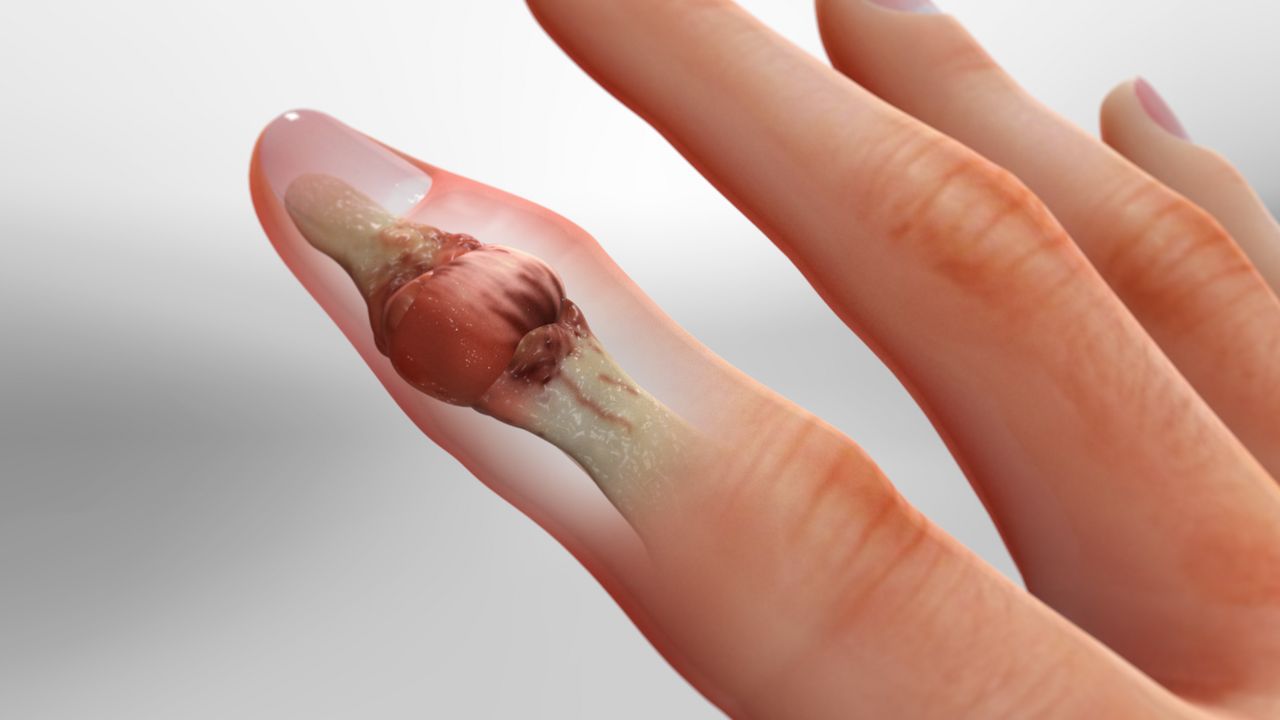
Step 4: Undergo Surgery for Arthritis in Finger Joints
Undergoing surgery for arthritis in finger joints marks a significant milestone in your treatment journey, representing a carefully orchestrated medical procedure designed to restore joint functionality and alleviate chronic pain. The surgical intervention aims to address joint damage, reduce inflammation, and improve overall hand mobility through precise medical techniques.
Upon arrival at the surgical center, you will be guided through a structured preparation process. Medical staff will confirm your identity, review your medical records, and prepare you for anesthesia. Expect to change into a surgical gown and have the surgical site carefully cleaned and marked. The anesthesiologist will review your medical history and administer either general or regional anesthesia, ensuring you remain comfortable throughout the procedure. Learn more about our specialized surgical approaches to understand the comprehensive care we provide.
The surgical procedure for finger joint arthritis typically involves several potential approaches depending on the specific condition of your joints. Your orthopedic surgeon might perform techniques such as joint fusion, joint replacement, or cartilage reconstruction. Microsurgical techniques allow for minimal invasiveness, focusing on preserving as much natural joint structure as possible while addressing the underlying arthritis damage.
Key aspects of the surgical process include:
-
Precise joint assessment during surgery
-
Removal of damaged cartilage and bone
-
Potential joint reconstruction or replacement
-
Careful soft tissue management
-
Minimal disruption to surrounding healthy tissues
During the procedure, the surgical team will meticulously work to restore joint functionality, using advanced imaging and specialized surgical instruments. The duration of the surgery can vary depending on the complexity of your specific condition, typically ranging from one to two hours. Your surgeon will select the most appropriate technique based on the detailed assessments completed during your preoperative consultations.
This table summarizes the main surgical techniques mentioned for treating arthritis in finger joints, comparing their approaches, intended outcomes, and typical usage as described in the article.
| Surgical Technique | Main Approach | Intended Outcome | Typical Usage |
| Joint Fusion | Bones are fused to prevent movement | Lasting pain relief, joint stabilization | Severe joint damage, when motion is less crucial |
| Joint Replacement | Damaged joint parts replaced with implant | Restores motion and reduces pain | When maintaining movement is important |
| Cartilage Reconstruction | Repairs or restores cartilage surfaces | Reduces pain, improves function | Early/moderate arthritis with cartilage left |
| Microsurgical Techniques | Minimally invasive surgical instruments | Preserve joint structure, less trauma | When precision and tissue preservation are used |
As the surgery concludes, you will be transferred to a recovery area where medical professionals will monitor your initial healing progress. The immediate post-surgical period involves careful observation, pain management, and initial assessment of your surgical outcomes. Surgical success is initially measured by factors such as reduced inflammation, improved joint alignment, and your emerging ability to move the treated finger joints.
By completing this critical step, you have undergone a transformative medical intervention designed to address the underlying challenges of finger joint arthritis and set the stage for comprehensive rehabilitation and recovery.
Step 5: Follow Postoperative Care and Rehabilitation Guidelines
Postoperative care represents a critical phase in your surgical recovery, demanding precision, patience, and dedicated commitment to healing after arthritis surgery in finger joints. This comprehensive rehabilitation process transforms surgical intervention into lasting functional improvement, requiring active engagement and systematic approach to recovery.
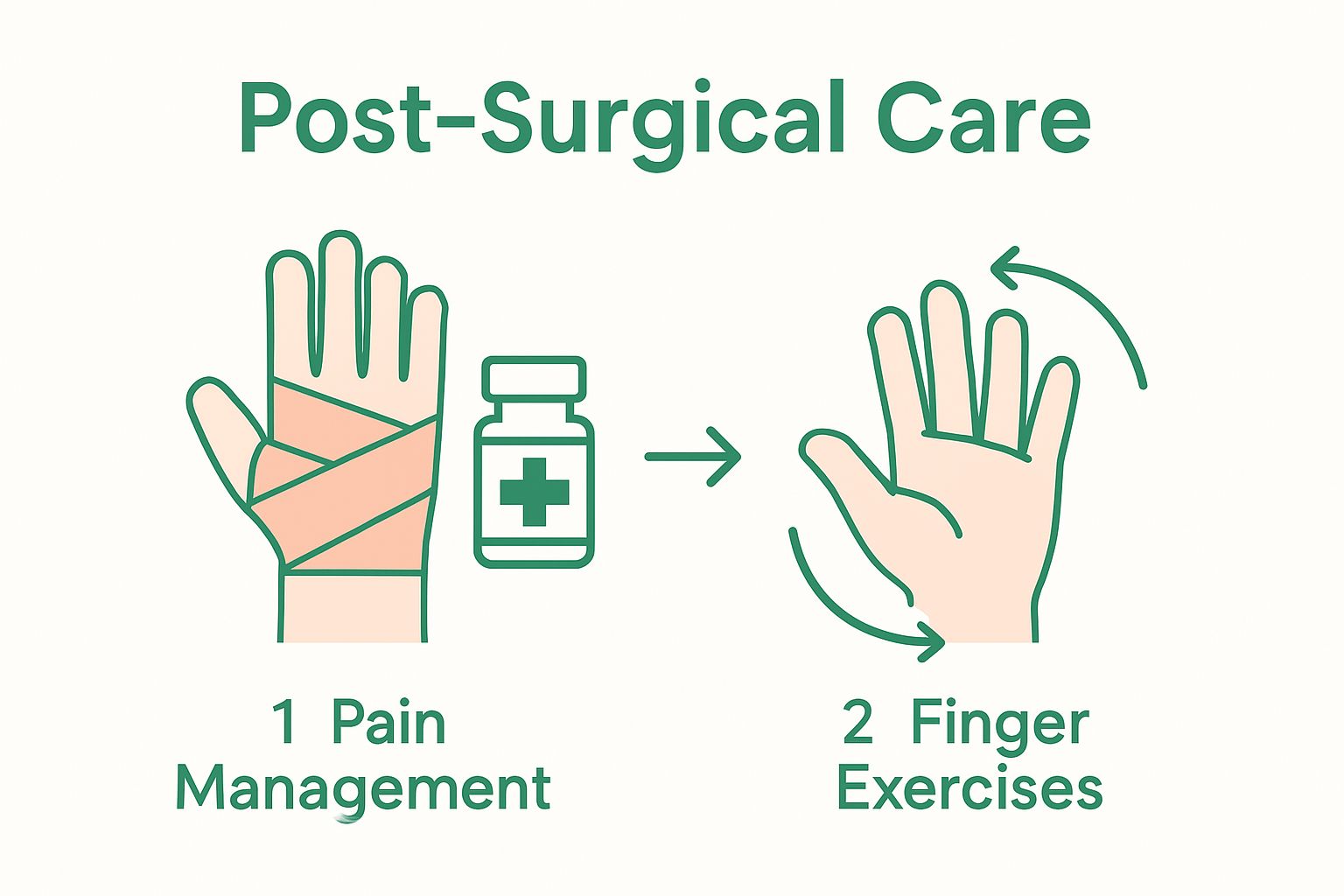
Pain management and wound care become your immediate priorities during the initial recovery weeks. Your surgical team will provide specific instructions for medication administration, wound protection, and initial movement restrictions. Prescribed medications typically include pain relievers and potentially anti-inflammatory drugs designed to manage discomfort and support healing. Explore our comprehensive patient recovery resources to understand the nuanced approach to postoperative care.
Your rehabilitation will follow a carefully structured progression, beginning with minimal movement and gradually increasing joint mobility. Professional physical therapists will design a personalized rehabilitation protocol tailored to your specific surgical procedure and individual healing characteristics. Expect a methodical approach that balances protecting surgical repairs with preventing joint stiffness and maintaining muscle conditioning.
Critical rehabilitation guidelines include:
-
Maintaining prescribed wound dressing protocols
-
Following specific hand movement restrictions
-
Attending all scheduled physical therapy sessions
-
Performing recommended gentle exercises
-
Monitoring surgical site for potential complications
During the initial weeks, gentle range of motion exercises become crucial. These carefully designed movements prevent joint stiffness while respecting surgical healing processes.
Your physical therapist will introduce progressive exercises that gradually increase in complexity, focusing on restoring strength, flexibility, and functional movement to your finger joints.
Successful rehabilitation demands consistent communication with your medical team. Regular follow-up appointments allow surgeons to assess healing progress, make necessary adjustments to your rehabilitation plan, and address any emerging concerns. Patients who maintain open dialogue and strictly adhere to professional guidelines typically experience more predictable and successful recovery outcomes.
As you progress through rehabilitation, you will incrementally regain hand functionality, with each week bringing improved mobility and reduced discomfort. The ultimate goal extends beyond surgical repair, aiming to restore your ability to perform daily tasks with renewed ease and minimal pain. By following these structured postoperative care guidelines, you transform surgical intervention into a pathway toward comprehensive hand health restoration.
Step 6: Monitor Recovery and Schedule Follow-Up Appointments
Monitoring your recovery after surgery for arthritis in finger joints represents a crucial phase that determines long-term surgical success and functional restoration. This step involves systematic tracking of healing progress, addressing potential complications, and ensuring optimal rehabilitation outcomes through strategic medical oversight.
Initial follow-up appointments typically occur within the first two weeks post-surgery, allowing your orthopedic surgeon to assess wound healing, evaluate initial joint mobility, and confirm that surgical repairs are progressing as expected. Explore our comprehensive patient follow-up protocols to understand the meticulous approach we take in monitoring surgical recovery.
Your medical team will conduct comprehensive assessments that extend beyond visual examination. Expect detailed imaging studies, functional mobility tests, and thorough discussions about your pain levels and emerging capabilities. Professional medical tracking involves multiple layers of evaluation, considering not just physical healing but also your overall comfort and emerging joint functionality.
Critical follow-up monitoring elements include:
-
Systematic wound healing assessment
-
Range of motion measurements
-
Pain level documentation
-
Imaging studies to confirm structural healing
-
Potential adjustments to rehabilitation protocols
As recovery progresses, follow-up appointment intervals will gradually decrease. Early appointments might occur weekly, transitioning to monthly and then quarterly assessments. These strategic check-ins allow surgeons to identify and address any potential complications quickly, ensuring your finger joints continue to heal and regain optimal functionality.
Patients should maintain detailed personal recovery logs, documenting daily pain levels, mobility improvements, and any unusual sensations or challenges. This personal documentation becomes a valuable tool during medical consultations, providing your surgical team with comprehensive insights into your healing journey. Active patient participation transforms follow-up appointments from mere medical check-ins into collaborative recovery planning sessions.
Successful recovery monitoring goes beyond medical assessments. It represents a holistic approach to understanding your body’s healing process, celebrating incremental improvements, and maintaining open communication with your medical team. By consistently engaging in these follow-up appointments and maintaining a proactive attitude toward your recovery, you maximize the potential for successful long-term outcomes from your finger joint arthritis surgery.
Experience Compassionate Surgical Recovery for Finger Joint Arthritis
Are you feeling frustrated by constant finger joint pain or limited movement due to arthritis? You deserve a clear recovery plan and expert guidance every step of the way. This article explains each phase of the surgical journey for arthritis in finger joints, from first consultation and thorough assessments, to home preparation and specialized postoperative care. Our in-depth knowledge is more than just educational — it’s an invitation to experience real solutions for your pain. For even more insight, visit our Uncategorized Archives and see how others have made the journey toward restored hand function.  When you trust your care to Dr. Manish V. Patel at Austin Hand to Shoulder, you can expect personalized treatment, advanced surgical techniques, and a team that supports you from preparation to recovery. Take the next step to regain your quality of life. Schedule your consultation today at https://handtoshoulderaustin.com/contact-us/ and see how our expertise can help you move forward pain-free.
Frequently Asked Questions
What is the first step in preparing for arthritis surgery in finger joints?
The first step is to consult with a specialized orthopedic surgeon, who will assess the extent of joint damage and discuss personalized treatment options.
What assessments are performed before arthritis surgery for finger joints?
Preoperative assessments include medical imaging like X-rays or MRIs, blood work to check for inflammatory markers, and a physical examination to evaluate pain levels and joint function.
How should I prepare my home environment for recovery after finger joint surgery?
You should arrange your home for easy access to essential items, prepare meals in advance, and create a comfortable recovery area with supportive seating and necessary supplies like ice packs and compression materials.
What should I expect during the follow-up appointments after the surgery?
During follow-up appointments, your surgeon will assess wound healing, evaluate joint mobility, and may conduct imaging studies to confirm recovery progress, as well as adjust rehabilitation protocols as needed.


