

Every year, over 6 million people in the United States break a bone or face a related musculoskeletal injury. From sports injuries to chronic joint pain, these problems can interrupt daily life and slow you down. Knowing how orthopedic surgeons help patients regain movement and reduce pain helps you make informed decisions about your own joint and bone health.
Key Takeaways
| Point | Details |
| Orthopedic Specialties | Orthopedic surgery encompasses various subspecialties, including sports medicine and joint replacement, targeting specific musculoskeletal conditions. |
| Common Conditions | Upper extremity conditions, such as carpal tunnel syndrome and rotator cuff tears, frequently require specialized diagnosis and treatment. |
| Treatment Approaches | Orthopedic surgeons utilize both non-surgical options, like physical therapy, and innovative surgical techniques to address injuries and degenerative diseases. |
| Importance of Early Intervention | Early orthopedic intervention can prevent complications and enhance long-term joint health, prompting timely assessment and treatment of conditions. |
Table of Contents
Defining Orthopedic Surgery And Specialties
Orthopedic surgery is a specialized medical field focused on diagnosing, treating, and preventing conditions affecting the musculoskeletal system. This complex system includes bones, joints, ligaments, tendons, muscles, and nerves that provide structure, stability, and movement to the human body. Orthopedic surgeons are medical professionals trained to address a wide range of conditions from acute injuries to chronic degenerative diseases.
According to the American Academy of Orthopaedic Surgeons, orthopedic specialists work across multiple subspecialties, each targeting specific anatomical regions or patient needs. These subspecialties include:
-
Hand and Upper Extremity Surgery: Focusing on conditions affecting fingers, wrists, and arms
-
Sports Medicine: Treating athletic injuries and performance-related musculoskeletal issues
-
Joint Replacement: Surgical interventions for severely damaged joints
-
Spine Surgery: Addressing complex vertebral and spinal cord conditions
-
Pediatric Orthopedics: Specialized care for children’s musculoskeletal development
For patients in Austin seeking specialized upper extremity care, understanding these subspecialties helps in selecting the right surgical approach. Read more about shoulder surgery options in Austin to gain deeper insights into how targeted orthopedic interventions can restore mobility and reduce pain.
Common Upper Extremity Conditions TreatedUpper extremity conditions can significantly impact daily life, causing pain, reduced mobility, and decreased quality of life. According to the Mayo Clinic, orthopedic surgeons commonly treat a diverse range of conditions affecting the hand, wrist, elbow, and shoulder regions that require specialized medical intervention.
Nerve Compression Disorders represent a critical category of upper extremity conditions. Research from the University of Virginia highlights several significant nerve-related issues, including:
-
Carpal Tunnel Syndrome: Compression of the median nerve causing hand and wrist pain
-
Cubital Tunnel Syndrome: Ulnar nerve compression leading to elbow and forearm discomfort
-
Nerve Trauma: Direct injuries affecting nerve function and sensation
Additional common upper extremity conditions include traumatic injuries and degenerative diseases. These encompass:
-
Rotator cuff tears
-
Elbow dislocations and fractures
-
Hand and wrist fractures
-
Tendon injuries like De Quervain’s tendinitis
-
Arthritis in joints
-
Ganglion cysts
-
Dupuytren’s contracture
Learn more about understanding elbow anatomy and related conditions to gain deeper insights into how these complex structures can be affected by various medical issues.
How Orthopedic Surgeons Diagnose And Treat
Diagnosing and treating upper extremity conditions requires a comprehensive and systematic approach. Medical diagnostics begin with an in-depth patient consultation, where orthopedic surgeons carefully evaluate medical history, conduct physical examinations, and assess the specific symptoms affecting the patient’s mobility and quality of life.
According to Columbia Orthopedic’s hand and upper extremity specialists, treatment strategies encompass a wide range of both non-surgical and surgical interventions. These approaches typically include:
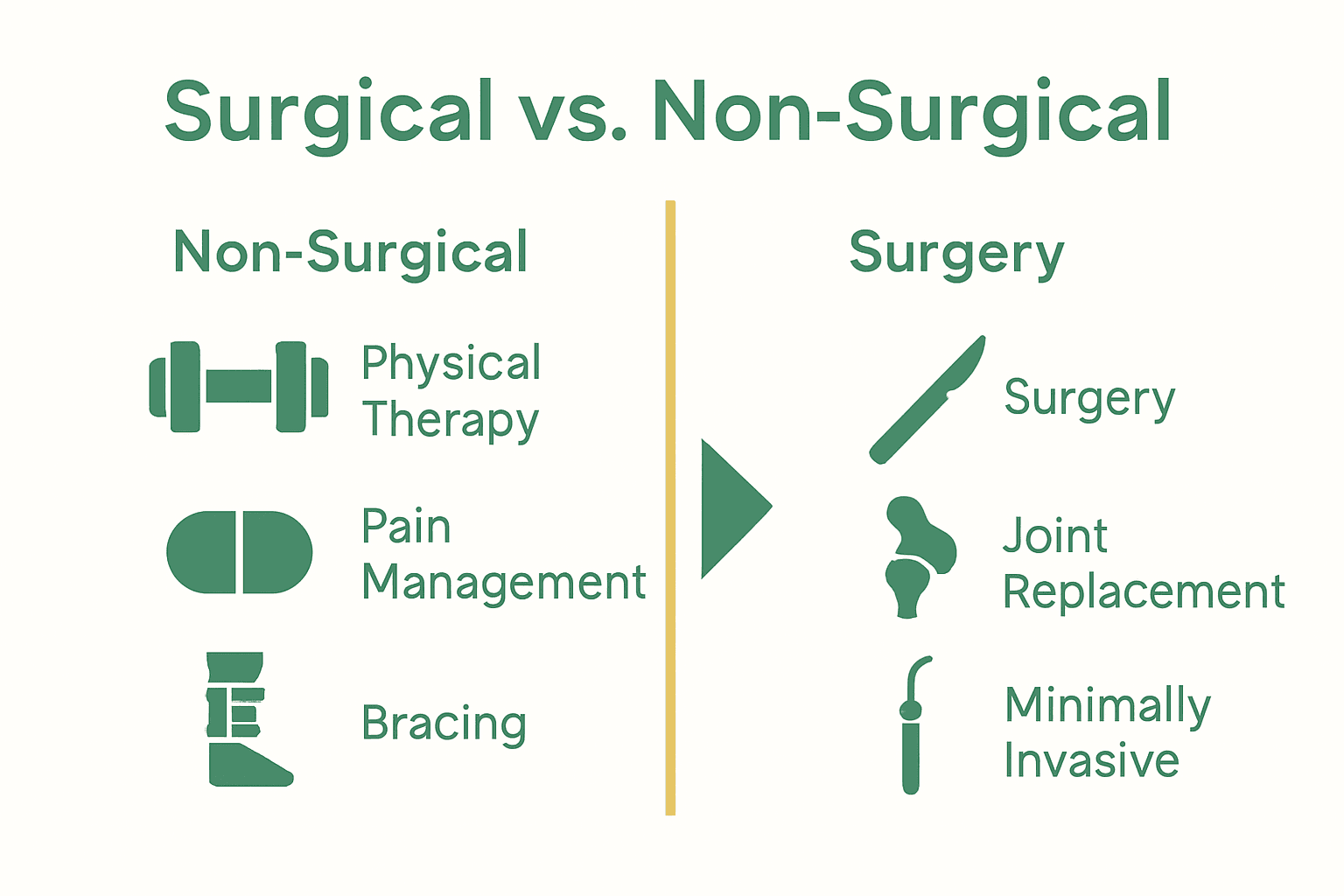
Non-Surgical Treatment Options:
-
Physical therapy
-
Targeted rehabilitation exercises
-
Splinting and bracing
-
Corticosteroid injections
-
Pain management techniques
-
Casting for certain injuries
Surgical Intervention Techniques:
-
Minimally invasive surgeries
-
Advanced reconstructive procedures
-
Precision grafting techniques
-
Joint repair and reconstruction
-
Nerve repair and decompression
Read our detailed guide on surgery for arthritis in finger joints to understand how targeted surgical approaches can restore function and reduce pain. Moreover, orthopedic surgeons leverage Appropriate Use Criteria to ensure that any surgical intervention carefully weighs expected benefits against potential risks, guaranteeing patients receive the most effective and least invasive treatment possible.
Benefits Of Early Orthopedic Intervention
Early orthopedic intervention can be a game-changer for patients experiencing musculoskeletal issues, potentially preventing long-term complications and preserving overall physical function. Proactive medical care allows patients to address conditions before they become more complex and challenging to treat, offering significant advantages in managing upper extremity health.
According to research from Frisch Orthopedics, early intervention for conditions like joint arthritis can yield remarkable benefits:
-
Slow disease progression
-
Reduce pain and inflammation
-
Improve joint mobility
-
Delay or potentially avoid joint replacement surgery
-
Implement non-surgical treatment strategies
Additionally, a comprehensive review of postoperative orthopedic interventions reveals that early mobilization techniques can dramatically improve patient outcomes. These techniques include:
-
Motion therapy
-
Muscle relaxation exercises
-
Controlled weight-bearing activities
-
Strategic positioning
-
Neuromuscular electrical stimulation
Learn more about key hand surgery benefits for Austin residents to understand how targeted, timely interventions can transform your recovery journey. By addressing musculoskeletal conditions early, patients can maintain better long-term joint health, reduce chronic pain, and preserve their overall quality of life.
Choosing Surgery Versus Non-Surgical Options
Deciding between surgical and non-surgical treatment options is a complex process that requires careful consideration of multiple factors. Medical decision-making involves understanding the severity of your condition, potential risks, recovery expectations, and individual health circumstances. Orthopedic surgeons play a crucial role in guiding patients through this critical choice.
According to a systematic review of patient decision-making, individuals are more likely to choose surgery when:
-
Symptoms are significantly severe
-
Perceived surgical effectiveness is high
-
Understanding of potential risks is clear
-
Personal demographic factors support surgical intervention
Non-surgical treatment options often serve as the first line of intervention. Comprehensive orthopedic specialists recommend exploring conservative treatments that may include:
-
Physical therapy
-
Targeted rehabilitation exercises
-
Pain management techniques
-
Anti-inflammatory medications
-
Lifestyle and ergonomic modifications
-
Assistive devices and bracing
Learn more about surgical approaches for arthritis in finger joints to understand how medical professionals evaluate and recommend the most appropriate treatment strategy. The goal is always to provide the most effective, least invasive solution that restores function and minimizes patient discomfort.
Restore Confidence in Your Upper Extremity Health with Trusted Austin Experts
Finding the right solution for pain, stiffness, or injury in your shoulder, elbow, wrist, or hand can feel overwhelming, especially when daily tasks become harder or pain keeps you from the activities you love. This article explained why seeing an orthopedic surgeon is vital for accurate diagnosis, advanced treatment options, and long-term recovery. If you are struggling with lingering discomfort or a recent injury, it is time to seek the focused care you deserve.
Discover targeted solutions for injuries and recovery
Do not wait and let your condition progress. At Austin Hand To Shoulder Center, you receive patient-centered orthopedic expertise designed for every stage of your recovery. Experience board-certified surgical care that restores motion and relieves pain. Ready for real answers and a personalized treatment plan? Schedule your visit today and move forward with confidence.
Frequently Asked Questions
What are the benefits of seeing an orthopedic surgeon?
Early intervention with an orthopedic surgeon can help reduce pain, improve mobility, and prevent long-term complications associated with musculoskeletal conditions.
What conditions do orthopedic surgeons typically treat?
Orthopedic surgeons treat a variety of upper extremity conditions, including nerve compression disorders, traumatic injuries, and degenerative diseases like arthritis.
How do orthopedic surgeons diagnose musculoskeletal conditions?
Diagnosis typically involves a thorough medical history review, physical examination, and assessment of symptoms to develop an appropriate treatment plan.
What are some common non-surgical treatment options offered by orthopedic surgeons?
Common non-surgical options include physical therapy, pain management techniques, splinting, and corticosteroid injections.


