

Most American adults spend hours each day on computers, and this constant strain is leading to a surge in wrist problems nationwide. As technology and medical science rapidly evolve, keeping up with the latest wrist care solutions has never mattered more for daily comfort and long-term joint health. Discover how new digital tools and innovative healing methods are reshaping what wrist care means in 2025, bringing hope and real results for anyone facing stiffness, pain, or injury.
Table of Contents
- What Wrist Care Means in 2025
- Common Wrist Conditions and Diagnoses
- Innovative Treatments and Technologies
- Preventing Wrist Injuries at Home and Work
- When Surgery Is Necessary and What to Expect
Key Takeaways
| Point | Details |
|---|---|
| Advancements in Wrist Care | Integration of digital technologies and personalized treatments provides precise, data-driven solutions for effective wrist health management. |
| Emerging Diagnostic Tools | Wearable sensors and augmented reality are revolutionizing the monitoring of joint mechanics and rehabilitation progress in real time. |
| Innovative Non-Surgical Treatments | PRP therapy is becoming a targeted, non-invasive option for accelerating healing and improving long-term joint health. |
| Preventative Strategies | Ergonomic awareness and advanced monitoring technologies are crucial in reducing the risk of wrist injuries in daily activities and workplaces. |
What Wrist Care Means in 2025
Wrist care in 2025 represents a transformative approach that integrates advanced digital technologies with personalized medical interventions. As orthopedic specialists increasingly adopt innovative diagnostic and treatment strategies, patients can expect more precise, data-driven solutions for managing wrist health. Advanced technologies in digital orthopaedics are revolutionizing how we understand and treat wrist conditions.
Key advancements in wrist care now include wearable sensor technologies and augmented reality diagnostic tools that provide unprecedented insight into joint mechanics and healing processes. Wearable devices and virtual reality systems enable healthcare professionals to monitor patient recovery with remarkable precision, tracking range of motion, inflammation levels, and rehabilitation progress in real time.
Non surgical interventions like PRP therapy are becoming increasingly sophisticated, offering targeted regenerative treatments that accelerate healing without invasive procedures. Patients can now benefit from customized treatment plans that combine advanced imaging, biomechanical analysis, and personalized regenerative techniques. These approaches not only address immediate wrist injuries but also provide comprehensive strategies for long term joint health and mobility.
The future of wrist care centers on a holistic, technology-enhanced model that empowers patients with more accurate diagnoses, personalized treatment protocols, and advanced rehabilitation strategies. By embracing these innovative approaches, individuals experiencing wrist pain or injury can look forward to faster recoveries and more effective management of their orthopedic health.
Common Wrist Conditions and Diagnoses
Wrist conditions represent a complex landscape of orthopedic challenges that demand specialized diagnostic approaches. Wrist arthroscopy techniques have emerged as a critical minimally invasive method for both identifying and treating intricate wrist joint issues, enabling precise visualization and intervention with minimal patient trauma.
Orthopaedic specialists frequently encounter several prevalent wrist conditions that require nuanced diagnostic strategies. Carpal tunnel syndrome, wrist sprains, tendonitis, and fractures represent the most common challenges patients experience. Trends in wrist arthroscopy utilization demonstrate that advanced imaging and surgical techniques are rapidly transforming how these conditions are understood and treated.
The diagnostic process for wrist conditions typically involves a comprehensive evaluation combining physical examination, advanced imaging technologies, and patient history analysis. PRP therapy and regenerative medicine techniques offer promising non-surgical alternatives for many patients, allowing targeted treatment that addresses underlying inflammation and promotes natural healing mechanisms.
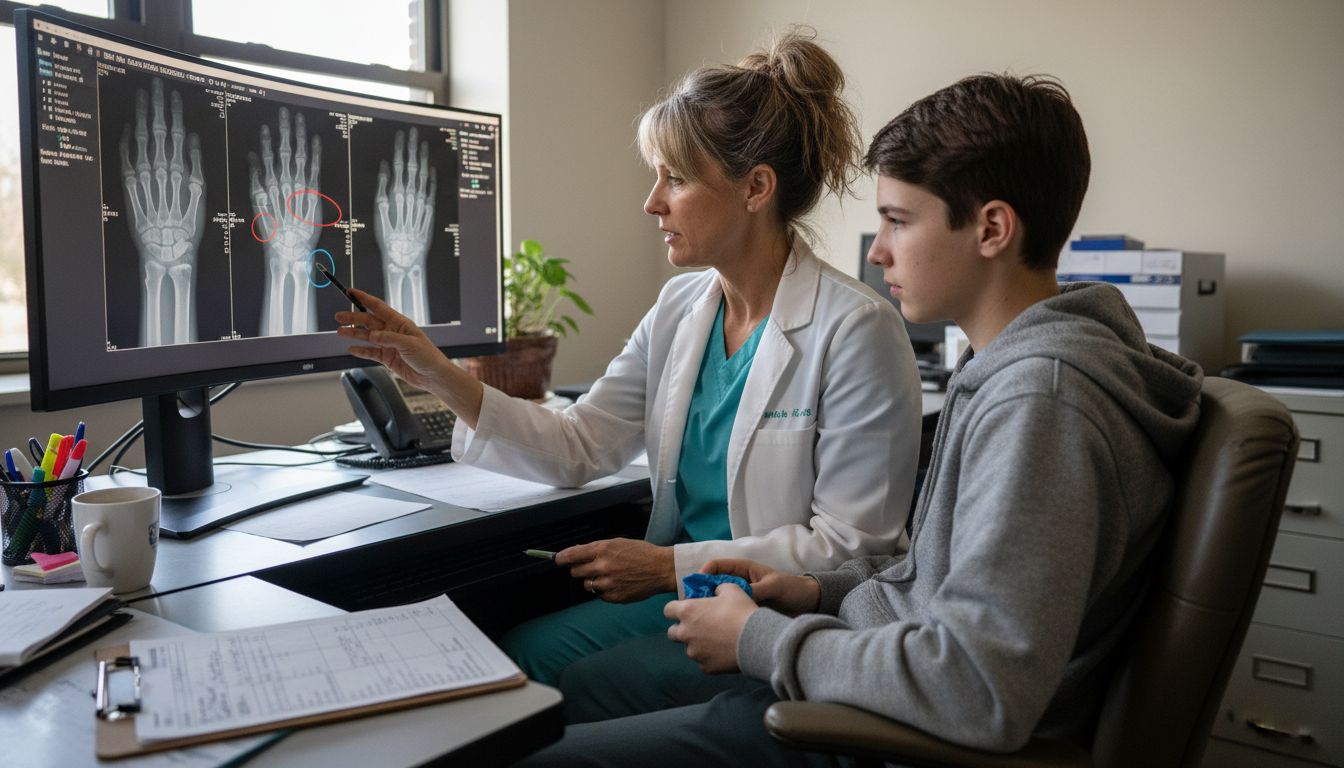
Modern wrist condition management emphasizes personalized treatment plans that consider individual patient factors such as age, activity level, and specific injury characteristics. By integrating cutting-edge diagnostic tools with sophisticated treatment protocols, orthopedic specialists can provide more effective, precise interventions that minimize recovery time and maximize functional restoration for patients experiencing complex wrist health challenges.
Innovative Treatments and Technologies
The frontier of wrist care is being revolutionized by groundbreaking technologies that merge medical expertise with cutting-edge engineering. Innovative wristband devices are emerging as transformative tools, enabling sophisticated tactile feedback and enhanced interaction capabilities that extend far beyond traditional medical interventions.
Rehabilitation technologies are taking remarkable leaps forward, particularly in the development of advanced orthotic systems. Adaptive wrist orthosis designs inspired by origami engineering are creating unprecedented opportunities for motor function restoration. These innovative devices can now adapt to individual patient parameters, offering six distinct motion modes that can dramatically improve rehabilitation outcomes for patients with complex wrist injuries or neurological conditions.
PRP therapy continues to play a crucial role in these technological advancements, providing a bridge between traditional regenerative medicine and next-generation treatment protocols. Biomechanical sensors, augmented reality diagnostic tools, and personalized rehabilitation technologies are converging to create comprehensive treatment strategies that address not just symptoms, but underlying physiological mechanisms.
The future of wrist care is defined by an integrated approach that combines precision diagnostics, personalized treatment protocols, and adaptive rehabilitation technologies. By embracing these innovative solutions, orthopedic specialists can offer patients more effective, less invasive, and ultimately more successful treatment experiences that prioritize individual healing potential and functional restoration.
Preventing Wrist Injuries at Home and Work
Advanced wearable monitoring technologies are transforming how individuals can proactively prevent wrist injuries in both professional and personal environments. Understanding biomechanical stress patterns and early intervention strategies has become crucial in maintaining optimal wrist health and preventing long-term damage.
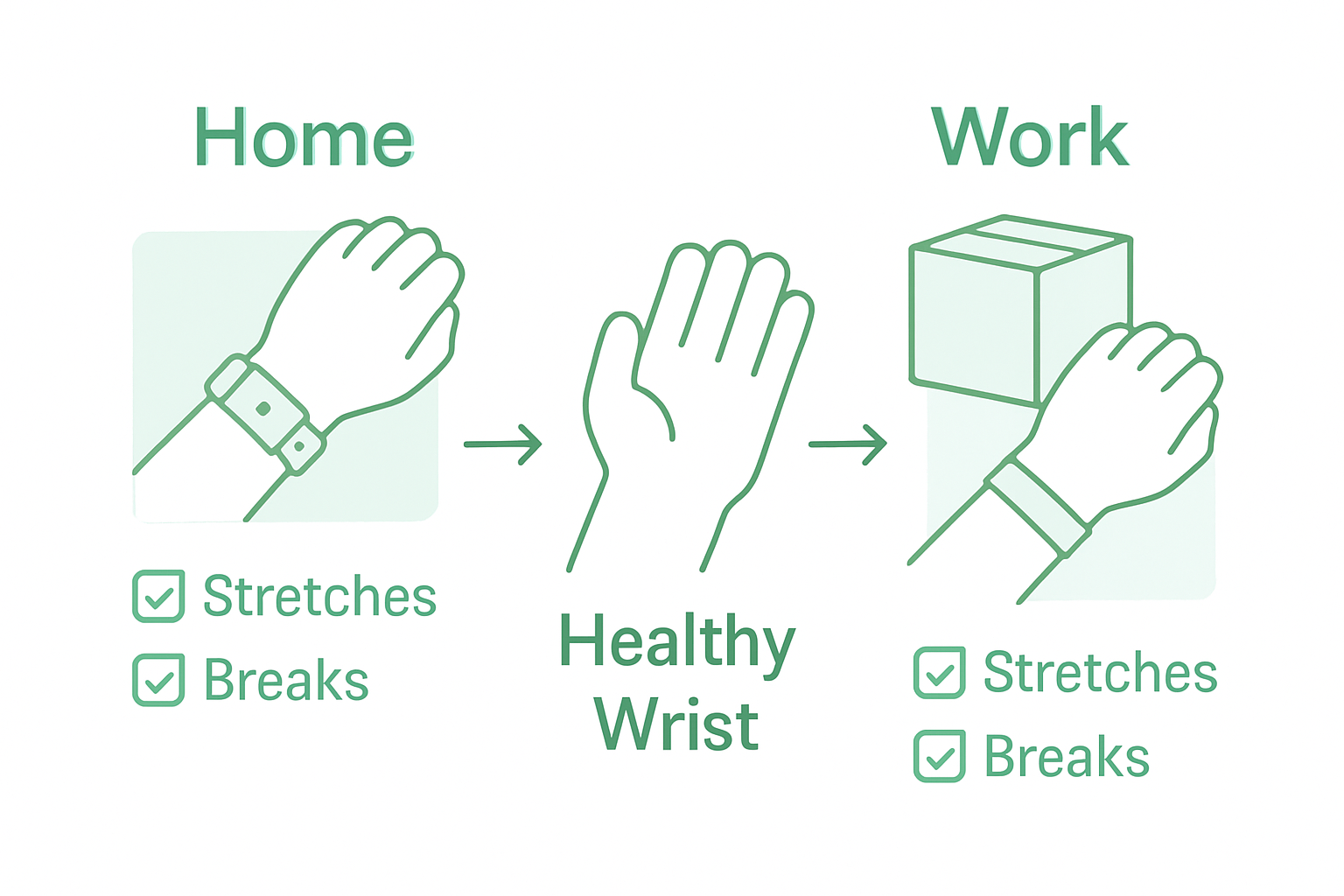
At home and in professional settings, ergonomic awareness plays a critical role in wrist injury prevention. Key strategies include maintaining proper posture, using ergonomically designed equipment, taking regular breaks during repetitive tasks, and implementing gentle stretching routines. Workers in industries requiring extensive computer use, manual labor, or precision movements face the highest risk of developing repetitive strain injuries.
PRP therapy offers promising non-surgical interventions for individuals experiencing early-stage wrist strain or inflammation. Preventative exercises, posture correction techniques, and biomechanical assessments can help identify potential risk factors before they develop into more serious conditions. Individuals should focus on strengthening supporting muscle groups, maintaining flexibility, and understanding their unique physical mechanics.
Technology now enables unprecedented levels of personal health monitoring, allowing individuals to track potential stress indicators and make proactive adjustments. By combining technological insights, targeted physical conditioning, and professional medical guidance, people can significantly reduce their risk of wrist injuries and maintain long-term musculoskeletal health across various lifestyle and professional contexts.
When Surgery Is Necessary and What to Expect
Advanced digital orthopaedic technologies are transforming surgical approaches for complex wrist conditions, providing patients with more precise and less invasive intervention strategies. Understanding when surgical intervention becomes necessary requires a comprehensive evaluation of multiple factors including pain intensity, functional limitations, and potential for long-term damage.
Surgery is typically recommended when conservative treatments like PRP therapy, physical therapy, and rehabilitation protocols fail to provide adequate relief or restore proper wrist function. Critical indicators for surgical intervention include persistent pain lasting more than six months, significant range of motion restrictions, structural damage identified through advanced imaging, and evidence of progressive joint deterioration. Trends in wrist arthroscopy utilization demonstrate that minimally invasive techniques are becoming increasingly sophisticated, offering patients faster recovery times and more predictable outcomes.
Patients preparing for wrist surgery can expect a comprehensive multi-step process involving detailed pre-surgical consultations, advanced diagnostic imaging, and personalized treatment planning. Biomechanical assessments, advanced imaging technologies, and individualized rehabilitation protocols play crucial roles in determining surgical approaches and predicting potential recovery trajectories. Orthopedic specialists now utilize cutting-edge technologies to develop highly customized surgical strategies that minimize tissue trauma and optimize healing potential.
Post-surgical recovery has been revolutionized by innovative rehabilitation technologies and precision medical interventions. Patients can anticipate shorter hospital stays, more targeted recovery protocols, and advanced monitoring systems that track healing progress with unprecedented accuracy. By combining expert surgical techniques with patient-specific rehabilitation strategies, orthopedic specialists can help individuals restore wrist function and return to their normal activities with greater confidence and effectiveness.
Take Control of Your Wrist Health with Expert Care in Austin
Wrist pain or injury can disrupt your life, making everyday tasks painful and frustrating. The article highlights advanced solutions for wrist care in 2025 such as personalized treatment plans, PRP therapy, and cutting-edge diagnostic technologies. If you are dealing with wrist sprains, carpal tunnel syndrome, or complex injuries it is vital to consult an experienced specialist who understands these innovative methods and can create a tailored approach just for you.
Explore our comprehensive resources in the Wrist Injury & Treatment Guides | Austin Orthopedic Blog to learn more about available treatments.
Don’t wait until your condition worsens. At Austin Hand To Shoulder, Dr. Manish V. Patel offers fellowship-trained, board-certified care that combines the latest techniques with compassionate patient-centered service. Start your path toward healing by scheduling a consultation today. Visit us online to discover how advanced wrist care can help restore your mobility and quality of life.
Frequently Asked Questions
What are the advancements in wrist care for 2025?
Wrist care in 2025 features advanced digital technologies, such as wearable sensor devices and augmented reality diagnostic tools, providing precise data-driven solutions for managing wrist health and improving recovery outcomes.
How does PRP therapy work in modern wrist care?
PRP (Platelet-Rich Plasma) therapy utilizes a patient’s own blood components to promote healing and regeneration of tissues. It is used as a targeted, non-surgical treatment for wrist injuries and conditions, enhancing recovery without invasive procedures.
What common wrist conditions can be diagnosed with advanced technologies?
Common wrist conditions diagnosed with advanced technologies include carpal tunnel syndrome, wrist sprains, tendonitis, and fractures. These conditions are assessed using advanced imaging techniques and minimally invasive wrist arthroscopy.
When is surgery necessary for wrist injuries, and what should patients expect?
Surgery is typically recommended when conservative treatments fail to restore wrist function or relieve pain. Patients can expect a multi-step process involving thorough evaluations, advanced imaging, and personalized treatment plans, along with innovative rehabilitation protocols for post-surgery recovery.
Recommended
- Wrist Pain Self-Care Guide for Fast Relief at Home – Austin Hand To Shoulder
- Wrist Anatomy Basics: Understanding Bones, Joints, and Injury Risks – Austin Hand To Shoulder
- 7 Common Examples of Wrist Surgeries and Their Uses – Austin Hand To Shoulder
- Complete Guide to Wrist Anatomy Basics – Austin Hand To Shoulder


