

Over 15 percent of wrist fractures are missed or misdiagnosed by healthcare providers, often resulting in unnecessary pain and ongoing complications. These silent injuries can be easy to overlook because symptoms sometimes mimic a simple sprain or soft tissue strain. Recognizing why misdiagnosed wrist fractures happen and how they affect recovery empowers patients to seek better care and avoid lasting damage.
Table of Contents
- What Does Misdiagnosed Wrist Fracture Mean?
- Common Types And Mechanisms Of Wrist Fractures
- Why Wrist Fractures Are Frequently Misdiagnosed
- Warning Signs And Consequences Of Missed Diagnosis
- Best Practices To Prevent Diagnostic Errors
Key Takeaways
| Point | Details |
|---|---|
| Misdiagnosis Risks | Misdiagnosed wrist fractures can lead to significant long-term complications if not properly identified. |
| Common Symptoms | Key warning signs include persistent pain, limited motion, and weakness, which should prompt further investigation. |
| Preventive Strategies | Comprehensive patient assessments and advanced imaging techniques are crucial to prevent diagnostic errors. |
| Complex Fractures | Specific fractures, such as scaphoid fractures, require heightened awareness due to their subtle presentation and potential long-term damage. |
What Does Misdiagnosed Wrist Fracture Mean?
A misdiagnosed wrist fracture represents a serious medical oversight where healthcare professionals fail to correctly identify a bone fracture in the wrist, potentially leading to significant long-term complications. According to NCBI, these misdiagnoses often stem from subtle clinical presentations and challenges in accurately interpreting medical imaging.
In practical terms, a misdiagnosed wrist fracture occurs when a medical professional does not recognize or acknowledge an actual bone break, which can happen through several problematic scenarios:
- Inadequate physical examination of the injured area
- Incomplete or incorrect interpretation of X-rays or other diagnostic imaging
- Dismissing patient-reported pain or mobility limitations
- Failing to conduct comprehensive diagnostic protocols
The consequences of a misdiagnosed wrist fracture can be profound. As UKLaw highlights, incorrect treatment can lead to extended recovery times, potential permanent damage, and unnecessary patient suffering. Wrist Fracture Management: Step-by-Step Recovery Guide provides additional insights into proper diagnostic techniques.
Medical professionals must remain vigilant, understanding that not all fractures present dramatically. Some wrist fractures, particularly scaphoid fractures, can be remarkably subtle and require specialized diagnostic techniques. This means careful clinical assessment, multiple imaging perspectives, and a willingness to investigate patient symptoms comprehensively are critical to avoiding misdiagnosis.
Common Types And Mechanisms Of Wrist Fractures
Wrist fractures represent a complex array of bone injuries that can dramatically impact an individual’s upper extremity function. According to Mayo Clinic, the most common types of wrist fractures primarily involve the distal radius and scaphoid bones, which are particularly vulnerable during traumatic incidents.
The primary mechanisms causing these fractures typically include:
- Falls onto an outstretched hand
- High-impact sports injuries
- Motor vehicle accidents
- Direct blunt force trauma
- Repetitive stress injuries
American Society for Surgery of the Hand highlights that wrist fractures can vary significantly based on the nature and force of the trauma. Distal radius fractures are especially prevalent, often occurring when individuals attempt to break a fall using their hands, creating a sudden, powerful force transmitted through the wrist joint.
Specialized diagnostic techniques are crucial in identifying these fractures.
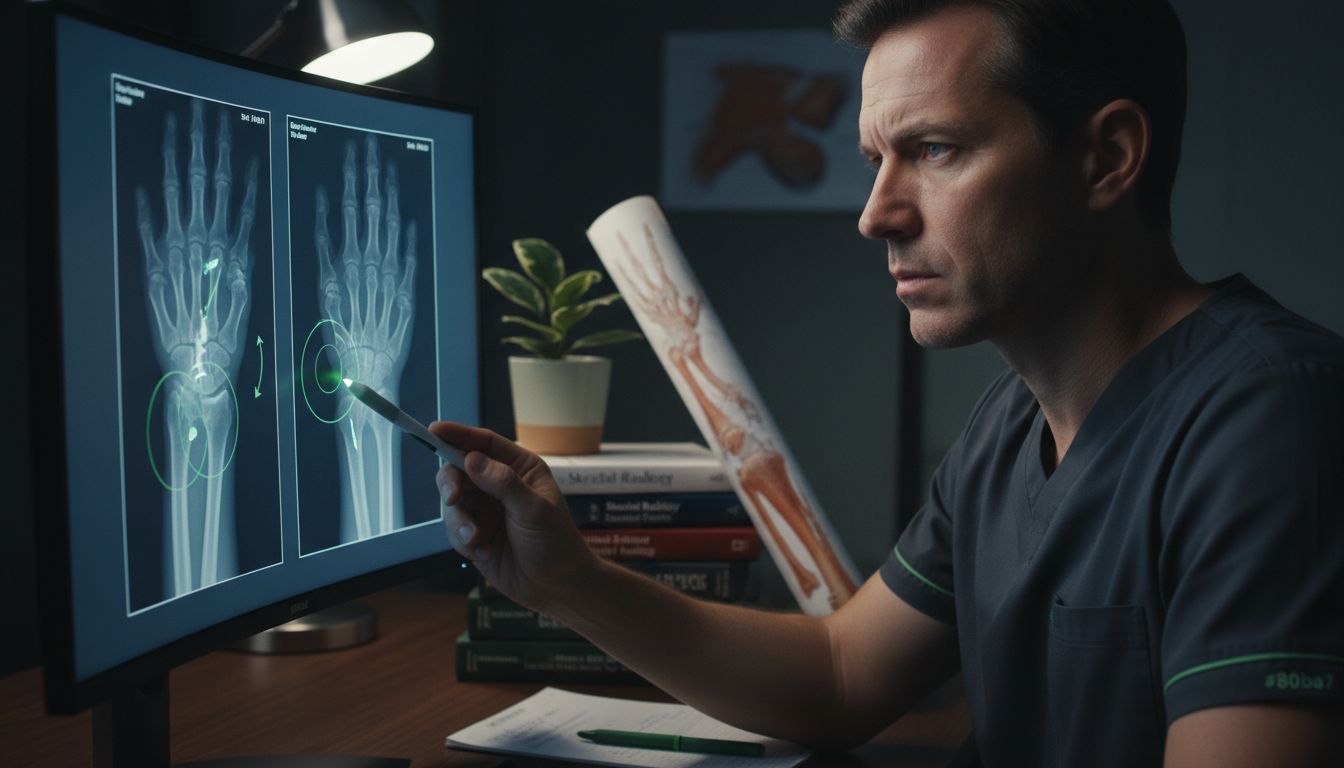 7 Types of Hand and Wrist Conditions Explained provides deeper insights into how medical professionals distinguish between different wrist injury mechanisms. Understanding these nuanced differences can help patients recognize potential fracture risks and seek timely medical intervention, potentially preventing long-term complications or improper healing.
Why Wrist Fractures Are Frequently Misdiagnosed
Wrist fracture misdiagnosis is a complex medical challenge that stems from multiple intricate factors. NCBI reveals that these diagnostic errors frequently occur due to the subtle and nuanced nature of certain wrist injuries, particularly scaphoid fractures, which can easily escape initial medical detection.
The primary reasons for frequent misdiagnosis include:
- Extremely subtle initial symptoms
- Minimal visible swelling or deformity
- Challenging imaging interpretation
- Limited range of initial diagnostic tests
- Complex anatomical structures of the wrist
According to UKLaw, medical professionals can fail to diagnose wrist fractures when they do not conduct thorough physical examinations or misinterpret radiographic evidence. Wrist Pain Self-Care Guide emphasizes that understanding these diagnostic challenges is crucial for patients seeking appropriate treatment.
Moreover, certain wrist fractures present with symptoms that mimic less serious conditions like sprains or soft tissue injuries. This similarity can lead healthcare providers to overlook critical bone damage, potentially resulting in delayed treatment and increased risk of long-term complications. Patients experiencing persistent wrist pain should seek comprehensive medical evaluation to ensure accurate diagnosis and prevent potential mismanagement of their injury.
Warning Signs And Consequences Of Missed Diagnosis
Mayo Clinic highlights that missed wrist fracture diagnosis can lead to severe long-term health complications. The warning signs are often subtle yet critically important for patients to recognize and medical professionals to thoroughly investigate.
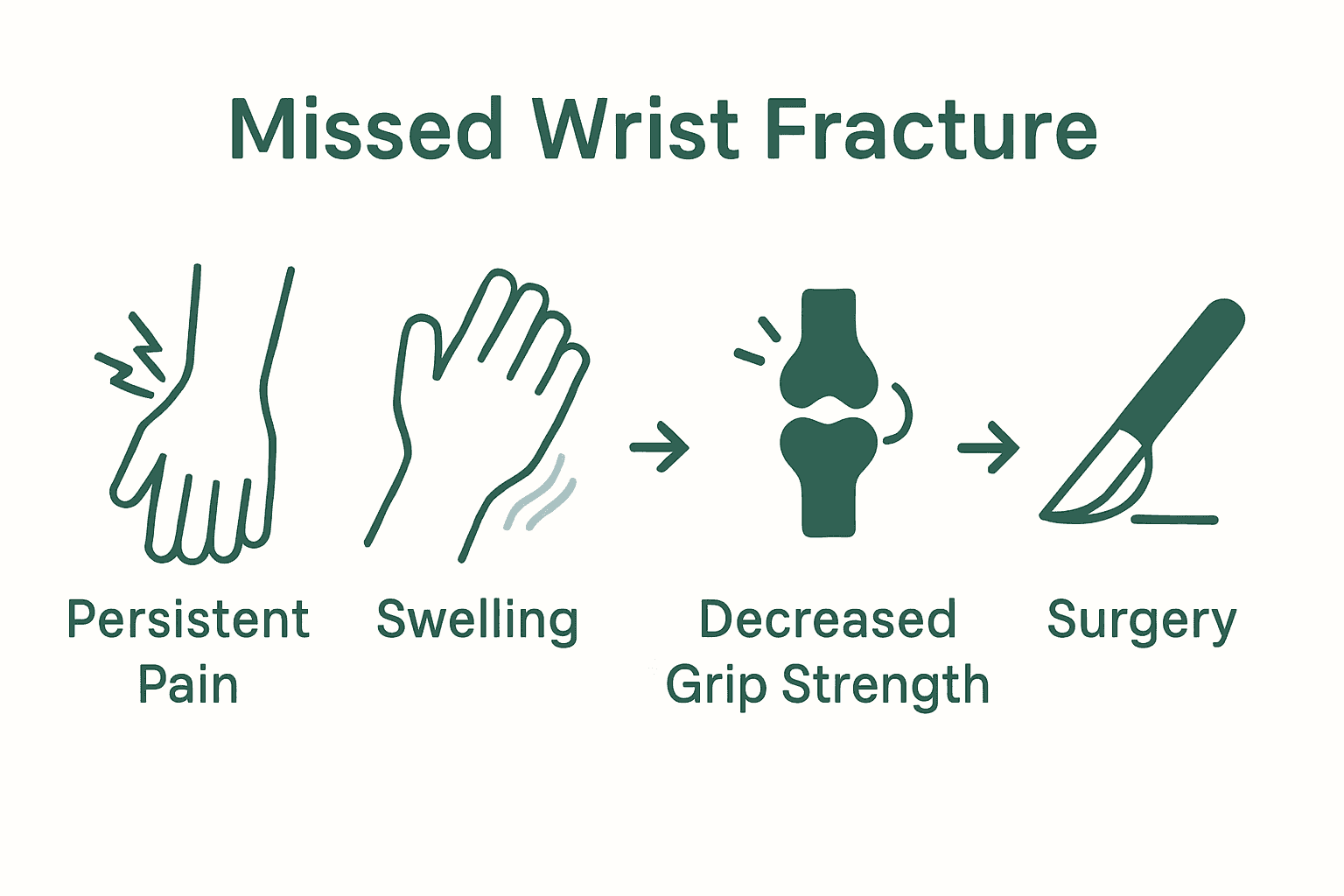
Key warning signs of a potentially missed wrist fracture include:
- Persistent, unexplained wrist pain
- Limited range of motion
- Swelling that doesn’t resolve
- Tenderness along specific wrist areas
- Weakness when gripping or lifting objects
- Noticeable deformity or unusual wrist alignment
According to NCBI, scaphoid fractures are particularly notorious for their potential long-term consequences. Untreated fractures can progress to serious conditions like avascular necrosis, where bone tissue dies due to interrupted blood supply, or develop into chronic arthritis. Why Do My Elbows and Wrists Hurt? provides additional insights into understanding these complex injury mechanisms.
The potential consequences of missed diagnosis extend beyond immediate pain. Patients might experience permanent reduced mobility, chronic pain, decreased grip strength, and the need for more invasive surgical interventions later. Early recognition and proper medical assessment are crucial in preventing these potentially debilitating long-term outcomes.
Best Practices To Prevent Diagnostic Errors
Preventing wrist fracture misdiagnosis requires a multifaceted approach that combines medical expertise, advanced diagnostic techniques, and thorough patient assessment. NCBI emphasizes the critical importance of maintaining a high index of suspicion when evaluating potential wrist injuries.
Key strategies for preventing diagnostic errors include:
- Conducting comprehensive patient history interviews
- Performing detailed physical examinations
- Utilizing multiple imaging modalities
- Considering patient pain reports seriously
- Implementing follow-up assessments
- Consulting specialist orthopedic professionals
According to American Society for Surgery of the Hand, medical professionals should adopt a comprehensive approach that goes beyond standard X-ray imaging. Advanced diagnostic techniques like MRI and bone scans can reveal fractures that might escape initial detection. Broken Hand Doctor Guide reinforces the importance of specialized evaluation for complex upper extremity injuries.
Ultimately, preventing diagnostic errors requires a combination of clinical expertise, advanced technology, and a patient-centered approach. Healthcare providers must remain vigilant, continuously update their diagnostic skills, and approach each case with thorough, systematic investigation to ensure accurate identification and treatment of potential wrist fractures.
Ensure Your Wrist Fracture Is Diagnosed and Treated Properly
Wrist fractures that go undiagnosed or are misdiagnosed can cause lasting pain and disability. If you are facing persistent wrist pain, limited motion, or suspect your injury has been overlooked, it is critical to get expert care that understands the complex nature of wrist injuries. Our resources, including the detailed Wrist Injury & Treatment Guides | Austin Orthopedic Blog, provide valuable information to empower you with knowledge about your condition.

Do not let a misdiagnosed wrist fracture delay your recovery. At Hand to Shoulder Austin, Dr. Manish V. Patel combines fellowship-trained expertise with a patient-centered approach to build personalized treatment plans. Whether you need a thorough evaluation, advanced imaging, or surgical care, we are ready to help you reclaim pain-free wrist function. Reach out today to schedule your consultation and take control of your wrist health now.
Frequently Asked Questions
What is a misdiagnosed wrist fracture?
A misdiagnosed wrist fracture occurs when medical professionals fail to correctly identify a fracture in the wrist, leading to potential long-term complications and improper treatment.
What are the common signs of a wrist fracture that may be missed during diagnosis?
Common signs include persistent wrist pain, limited range of motion, unexplained swelling, tenderness in specific areas, weakness when gripping, and unusual wrist alignment.
Why are wrist fractures often misdiagnosed?
Wrist fractures can be misdiagnosed due to subtle initial symptoms, minimal swelling, challenging imaging interpretation, and limited diagnostic tests. Some fractures, like scaphoid fractures, may mimic less serious injuries.
What strategies can help prevent misdiagnosis of wrist fractures?
Preventing misdiagnosis involves thorough patient history interviews, detailed physical examinations, utilizing multiple imaging techniques, taking patient-reported pain seriously, and consulting specialist orthopedic professionals.


