

Over 200,000 Americans undergo wrist surgery each year, yet most feel unprepared for the entire process. Navigating the steps leading up to your procedure can make a real difference in your outcome and recovery. From scheduling crucial consultations to organizing key medical documents and planning your home environment, learning the right approach can help you feel confident every step of the way.
Table of Contents
- Step 1: Schedule Essential Pre-Surgery Consultations
- Step 2: Gather and Organize Necessary Medical Documents
- Step 3: Adjust Medications and Follow Dietary Instructions
- Step 4: Prepare Your Home and Arrange Post-Surgery Support
- Step 5: Confirm Surgery Details and Day-Of Preparations
Quick Summary
| Key Point | Explanation |
|---|---|
| 1. Schedule Pre-Surgery Consultations | Meet with your surgeon to discuss medical history and treatment options. Ensure all relevant information is provided. |
| 2. Organize Medical Documentation | Compile all pertinent medical records and create a digital backup for easy access during consultations. |
| 3. Adjust Medications and Follow Dietary Guidelines | Follow your surgeon’s instructions on medication adjustments and dietary restrictions prior to surgery. |
| 4. Prepare Your Home for Recovery | Set up a dedicated recovery area and arrange for assistance from family or friends for post-surgery support. |
| 5. Confirm Surgery Details Before the Day | Verify all surgical details like time and location a few days prior to minimize stress on the day of surgery. |
Step 1: Schedule essential pre-surgery consultations
Scheduling your pre-surgery consultations is a critical first step in preparing for wrist surgery. These appointments help your surgical team understand your specific medical needs and create a personalized treatment strategy that ensures the best possible outcome.
Begin by contacting Dr. Manish V. Patel’s office to set up your initial consultation. During this meeting, you will want to provide comprehensive information about your medical history. The American Academy of Orthopaedic Surgeons recommends sharing details about current medications, allergies, previous imaging studies, and your complete orthopedic history. Your surgeon will likely request additional medical evaluations and lab tests to confirm your readiness for the procedure.
Expect to discuss potential PRP therapy options and undergo a thorough physical examination. Your surgical team will assess your wrist condition, review diagnostic imaging, and determine the most appropriate treatment approach. The American Society of Plastic Surgeons suggests patients prepare by adjusting current medications, ceasing smoking, and avoiding supplements that might increase surgical bleeding risks.
Pro tip: Organize all your medical records, imaging results, and medication lists before your first consultation to streamline the process and ensure your surgical team has complete information about your health.
Step 2: Gather and organize necessary medical documents
Compiling and organizing your medical documents is a critical preparatory step for your upcoming wrist surgery. Comprehensive documentation helps your surgical team understand your complete medical history and make informed decisions about your treatment.
The American Academy of Orthopaedic Surgeons recommends patients compile all relevant medical records, including operative notes, diagnostic imaging like X-rays, CT scans, MRI results, and previous lab test reports. Focus on gathering documents specifically related to your wrist condition and any prior orthopedic treatments. Create a chronological folder that includes these key items alongside your current medication list, allergies, and previous surgical history.

Contact your primary care physician, previous specialists, and medical facilities to request complete copies of your medical records. Some imaging centers and hospitals might require signed release forms to transfer documents. The American Society of Anesthesiologists emphasizes organizing these documents to ensure a safe and comprehensive surgical experience.
Pro tip: Make digital scans of all your medical documents and store them in a secure cloud service or external hard drive as a backup, ensuring you always have access to your medical information even if physical copies are misplaced.
Step 3: Adjust medications and follow dietary instructions
Preparing for wrist surgery involves carefully managing your medications and dietary intake to ensure a safe surgical experience. Your surgical team will provide specific guidance to minimize potential complications and optimize your body for the upcoming procedure.
The American Academy of Orthopaedic Surgeons recommends creating a comprehensive medication safety checklist that includes sharing an up-to-date list of all current medications, vitamins, and supplements with Dr. Manish V. Patel. Some medications might need to be temporarily stopped or adjusted before surgery, particularly blood thinners, anti inflammatory drugs, and certain herbal supplements that could increase bleeding risks. Pay close attention to your surgeon’s specific instructions about which medications to continue or discontinue in the days leading up to your procedure.
Dietary restrictions are equally important for surgical preparation. The Cleveland Clinic advises patients to follow strict guidelines about food and drink before surgery, typically requiring you to stop eating and drinking after midnight before your scheduled surgery. This helps prevent potential complications during anesthesia and ensures your stomach is empty during the procedure. If you are taking medications that require food intake, discuss alternative strategies with your surgical team to manage your specific health needs.
Pro tip: Create a written medication schedule highlighting which medications to stop, continue, or modify, and place it in a visible location to help you stay organized and compliant with your surgical team’s instructions.
Below is a comparison of typical medication and dietary adjustments before wrist surgery:
| Category | Common Adjustment | Reason for Adjustment |
|---|---|---|
| Blood thinners | Temporarily discontinued | Reduce risk of surgical bleeding |
| Herbal supplements | Paused before surgery | Prevent adverse interactions or bleeding |
| Food and drink | Stop after midnight | Minimize anesthesia complications |
| Regular medications | Adjusted as advised | Maintain safety, follow surgeon’s orders |
Step 4: Prepare your home and arrange post-surgery support
Successful wrist surgery recovery starts with strategic home preparation and establishing a robust support network. Creating a comfortable, accessible environment will help you navigate the initial recovery period with minimal stress and maximum healing potential.
Begin by setting up a dedicated recovery area in your home that minimizes movement and provides easy access to essential items. Position a comfortable chair or recliner near necessary supplies like medications, water, phone chargers, and entertainment options. Arrange your living space to accommodate limited mobility, removing potential tripping hazards and ensuring frequently used items are within arm’s reach. Our comprehensive guide to post-surgery care offers additional insights into creating an optimal recovery environment.
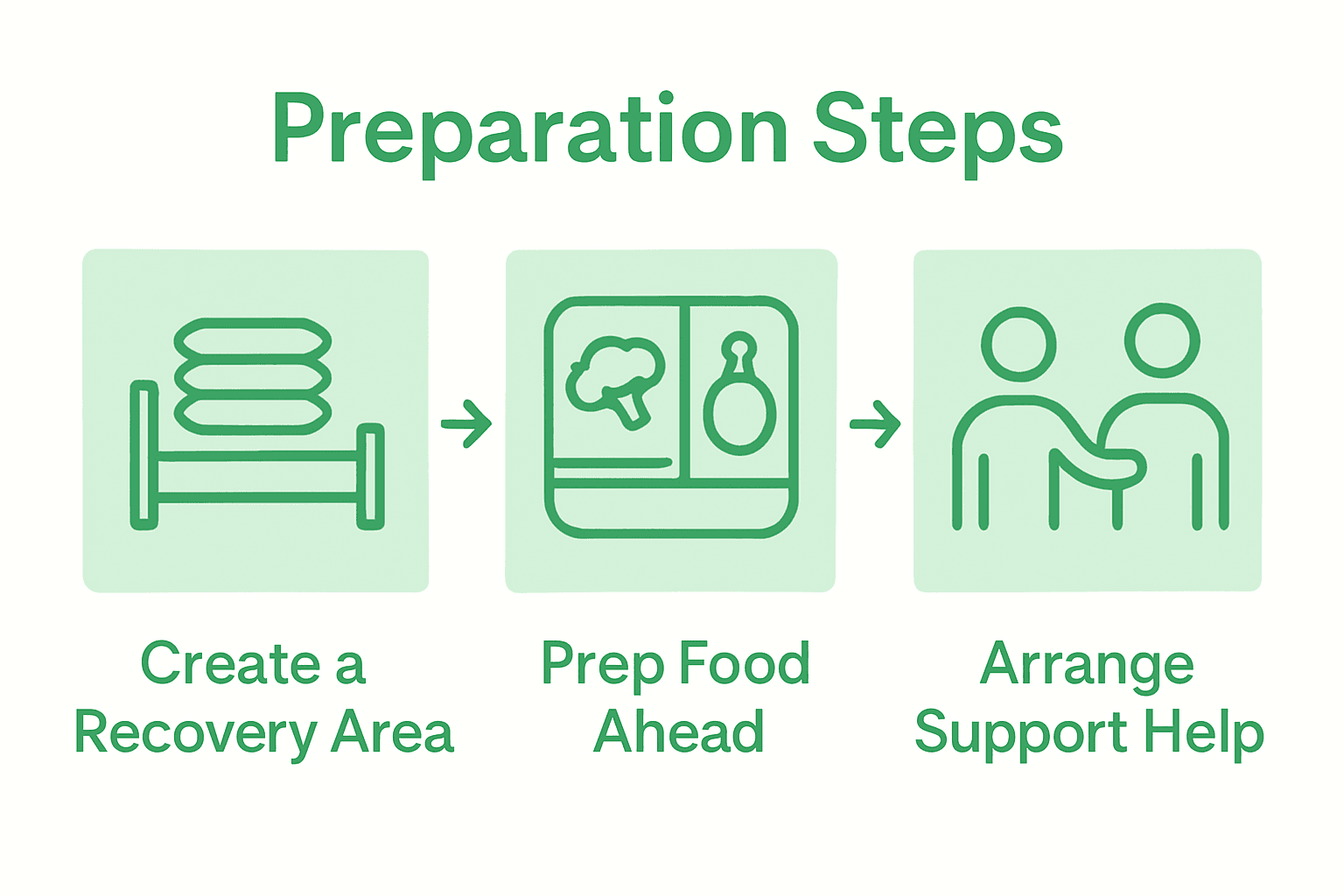
Arrange personal support by coordinating with family members or close friends who can assist you during the initial recovery phase. Discuss specific help you might need such as meal preparation, transportation to follow-up appointments, assistance with personal care, or help managing household chores. Consider creating a support schedule that rotates responsibilities among multiple people to prevent caregiver burnout and ensure consistent assistance during your recovery period.
Pro tip: Prepare freezer meals and set up a temporary living space on the ground floor to minimize stairs and reduce physical strain during your initial recovery weeks.
Step 5: Confirm surgery details and day-of preparations
The final preparations before your wrist surgery require meticulous attention to detail and careful coordination with your surgical team. Confirming every aspect of your procedure will help ensure a smooth and stress-free experience on the day of surgery.
The American Academy of Orthopaedic Surgeons recommends a comprehensive surgical safety checklist that involves verifying your patient identity, surgical site, specific procedure details, and obtaining proper consent. Contact Dr. Manish V. Patel’s office a few days before your surgery to confirm the exact time, location, arrival instructions, and any last minute preparations. Verify the specific items you should bring or wear and review any final instructions about medications, eating, or drinking.
Prepare your personal items and documentation the night before surgery. Select comfortable loose clothing that can be easily put on and removed, and ensure you have your identification, insurance cards, and any required medical documents. Remove all jewelry, nail polish, and makeup, and plan to arrive with a responsible adult who can drive you home and assist you during the initial recovery period. If you are receiving general anesthesia, follow the specific fasting guidelines provided by your surgical team to ensure your safety during the procedure.
Pro tip: Set multiple alarms and prepare your transportation and personal items the evening before surgery to reduce morning stress and ensure you arrive calm and prepared.
Here is a summary of pre-surgery preparation steps and their key benefits:
| Preparation Step | Key Benefit | Example Action |
|---|---|---|
| Schedule consultations | Personalized treatment planning | Share full medical history |
| Organize medical documents | Faster decision-making for surgeons | Create a digital document backup |
| Adjust meds & follow diet rules | Safer surgery, fewer complications | Follow fasting and stop blood thinners |
| Prepare home & get support | Easier recovery process | Set up recovery area, arrange helpers |
| Confirm surgery details | Reduces day-of stress | Pack ID and schedule transportation |
Prepare Confidently for Your Wrist Surgery with Expert Care
Proper wrist surgery preparation is essential to ensure a safe procedure and a smooth recovery. If you are facing challenges like managing medications, organizing medical records, or setting up your home for post-surgery care, you do not have to navigate these steps alone. Our detailed Wrist Injury & Treatment Guides | Austin Orthopedic Blog offer valuable insights to help you understand every phase of your journey.

Take control of your recovery today by partnering with Dr. Manish V. Patel, a fellowship-trained, board-certified surgeon dedicated to personalized treatment plans for wrist conditions. Visit Austin Hand To Shoulder to learn more about our patient-centered approach and schedule your consultation. For specific wrist concerns including nerve issues such as carpal tunnel syndrome, explore our Carpal Tunnel Archives – Austin Hand To Shoulder to stay informed and empowered. Begin your path to healing with expert guidance and comprehensive support.
Frequently Asked Questions
What should I discuss during my initial consultation for wrist surgery?
It’s essential to provide your surgeon with comprehensive details about your medical history, including current medications, allergies, and previous treatments related to your wrist condition. Prepare a list of these details so you can share them clearly during the consultation.
How can I effectively organize my medical documents before surgery?
Start by gathering all relevant medical records, including operative notes and imaging results related to your wrist. Create a chronological folder with these documents and make a digital backup for easy access and sharing with your surgical team.
What medications do I need to adjust before wrist surgery?
Consult with your surgeon about which medications may need to be stopped or adjusted, particularly blood thinners and certain herbal supplements. Review your medication list with your surgical team to ensure safety and proper preparation ahead of your surgery.
How can I set up my home for a smooth recovery after wrist surgery?
Prepare a designated recovery area that includes all essential items like medications, water, and entertainment within easy reach. Ensure that your living space is free of tripping hazards to facilitate your mobility and comfort during the initial recovery phase.
What items should I bring to the hospital on the day of surgery?
Bring comfortable clothing, your identification, insurance cards, and any necessary medical documents. Prepare these items the night before to reduce morning stress and ensure you have everything ready for your surgery day.
How can I arrange for support during my recovery period?
Talk to family members or friends about your recovery needs, such as meal preparation and transportation to follow-up appointments. Create a support schedule to share responsibilities among your helpers and ensure you receive consistent assistance.
Recommended
- Complete Guide to Post-Surgery Care Wrist for Recovery – Austin Hand To Shoulder
- How to Strengthen Wrist After Surgery: Step-by-Step Recovery Guide – Austin Hand To Shoulder
- Best Practices for Wrist Rehabilitation After Injury – Austin Hand To Shoulder
- Signs You Need Wrist Surgery: Complete Guide – Austin Hand To Shoulder


