

Most American adults who suffer a broken finger want a fast and effective solution that restores full movement. Injuries like this can seriously disrupt daily life in Austin, especially when standard treatments fail. If you need advanced surgical options and a recovery plan designed just for you, connecting with a specialized orthopedic surgeon offers a path to better healing and a smoother return to normal activities.
Table of Contents
- What Is Broken Finger Surgery?
- Common Types of Surgical Procedures
- When Surgery Is Recommended For Fractures
- Expected Recovery And Rehabilitation Steps
- Potential Risks, Complications, And Costs
- Choosing The Right Specialist In Austin
Key Takeaways
| Point | Details |
|---|---|
| Surgery Necessity | Broken finger surgery is indicated when fractures are unstable or nonsurgical methods fail to restore proper alignment. |
| Surgical Techniques | Procedures range from closed reduction to open reduction and fixation, tailored to the specific fracture severity and patient needs. |
| Rehabilitation Importance | Following surgery, structured rehabilitation is crucial for restoring mobility and strength, emphasizing progressive exercises. |
| Choosing a Specialist | Selecting a board-certified hand surgeon with specialized training in finger fractures is essential for optimal treatment outcomes. |
What Is Broken Finger Surgery?
Broken finger surgery is a specialized orthopedic procedure designed to repair and stabilize fractures within the small bones of the fingers. When standard treatments like splinting or casting prove insufficient, surgical intervention becomes necessary to restore proper bone alignment and joint function. Surgical techniques aim to realign fractured bone fragments to ensure optimal healing and minimize long-term complications.
The primary goals of broken finger surgery include reestablishing bone structure, preventing permanent joint stiffness, and restoring range of motion. Surgeons may utilize various techniques depending on the specific nature of the fracture, such as inserting metal pins, plates, or screws to maintain proper bone positioning during the healing process. Candidates for surgery typically have displaced fractures, open injuries, or cases where nonsurgical treatments have failed to provide adequate healing and functional restoration.
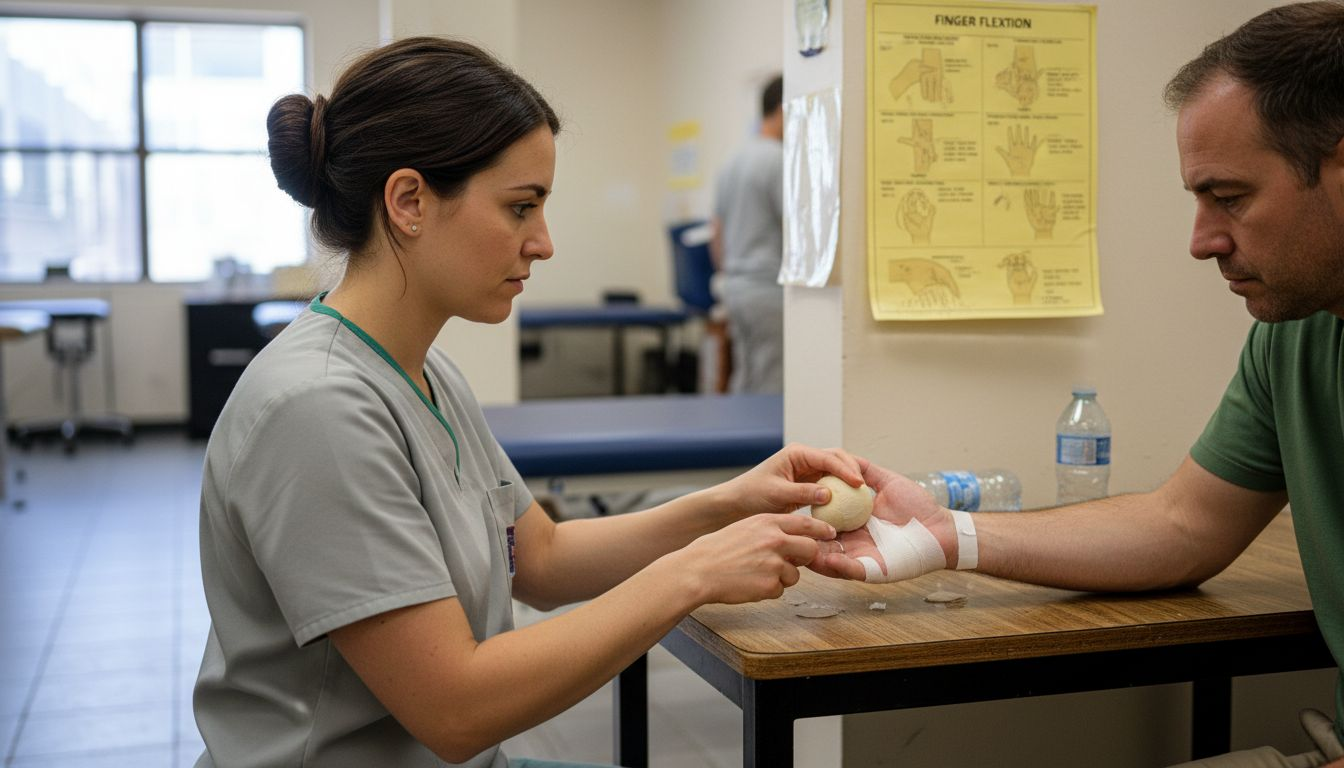
Typically, broken finger surgeries are performed under local or general anesthesia, allowing orthopedic specialists to precisely manipulate and stabilize the injured bone segments. The procedure may involve carefully realigning bone fragments, removing damaged tissue, and implementing internal fixation methods that support natural healing. Complex fractures might require additional interventions like tendon repair or addressing soft tissue damage to ensure comprehensive recovery.
Pro Tip: Immediately after broken finger surgery, follow your surgeon’s rehabilitation instructions precisely, as early and structured physical therapy can significantly improve long-term finger mobility and strength.
Common Types of Surgical Procedures
Finger fracture surgeries encompass several specialized techniques designed to address different injury complexities and patient needs. Surgical approaches range from minimally invasive procedures like percutaneous pinning to more extensive open reduction and internal fixation, depending on the specific characteristics of the bone injury and surrounding soft tissue damage.
Closed Reduction and Fixation involves external stabilization techniques where surgeons carefully realign fractured bone segments without making large incisions. This method typically utilizes wires, rods, splints, or casts to maintain proper bone positioning during healing. In more complex cases, surgeons might employ open reduction techniques that involve direct surgical intervention to reposition bone fragments and implement internal fixation methods, such as plates or screws.
For advanced or complicated finger fractures, orthopedic specialists might need to perform additional reconstructive procedures. These can include tendon repairs, nerve reconstruction, bone grafting for significant bone loss, and addressing soft tissue damage. The specific surgical approach depends on multiple factors including fracture location, severity of displacement, patient age, overall hand function, and potential complications.
Pro Tip: Request a detailed pre-surgical consultation to understand exactly which surgical procedure is recommended for your specific finger fracture and potential recovery timeline.
Here’s a summary comparing major finger surgery techniques:
| Procedure Type | Typical Use Cases | Surgical Approach | Recovery Impact |
|---|---|---|---|
| Closed Reduction | Simple, non-displaced fractures | External stabilization | Fastest, minimal scarring |
| Percutaneous Pinning | Unstable, slightly displaced bones | Minimally invasive | Moderate, pins removal needed |
| Open Reduction & Fixation | Complex or joint fractures | Direct bone access | Longer, possible hardware removal |
| Reconstructive Surgery | Severe tissue or tendon damage | Combined procedures | Extended, may require therapy |
When Surgery Is Recommended for Fractures
Broken finger surgery becomes necessary when standard treatment methods cannot effectively address the complexity and severity of a finger fracture. Surgical intervention is typically recommended for fractures that are unstable, significantly displaced, or cannot be properly aligned through external methods, ensuring optimal healing and preventing long-term functional limitations.
Certain specific conditions mandate surgical treatment for finger fractures. These include open fractures with skin disruption, multiple bone fragments that cannot be stabilized externally, fractures extending into joint surfaces, and injuries that compromise finger alignment or motion. Complex fractures disrupting joint surfaces or involving extensive soft tissue damage often require direct surgical intervention to restore proper finger mechanics and prevent permanent mobility restrictions.
Orthopedic surgeons evaluate multiple factors when determining surgical necessity, including the patient’s age, overall hand function, fracture location, and potential for long-term complications. Nonsurgical treatments like casting or splinting are typically attempted first, but when these methods fail to provide adequate bone alignment or stability, surgical procedures become the recommended course of action. The primary goal is always to restore the finger’s structural integrity, ensure proper healing, and minimize potential future mobility or strength limitations.
Pro Tip: Always obtain a comprehensive diagnostic imaging study, such as an X-ray or CT scan, to help your surgeon precisely determine whether surgical intervention is truly necessary for your specific finger fracture.
Expected Recovery and Rehabilitation Steps
Finger fracture rehabilitation is a carefully structured process designed to restore optimal hand function and strength. Recovery typically progresses through systematic stages, beginning with initial immobilization and gradually advancing to targeted exercises that rebuild strength and dexterity, with most patients experiencing significant improvement within several weeks to months.
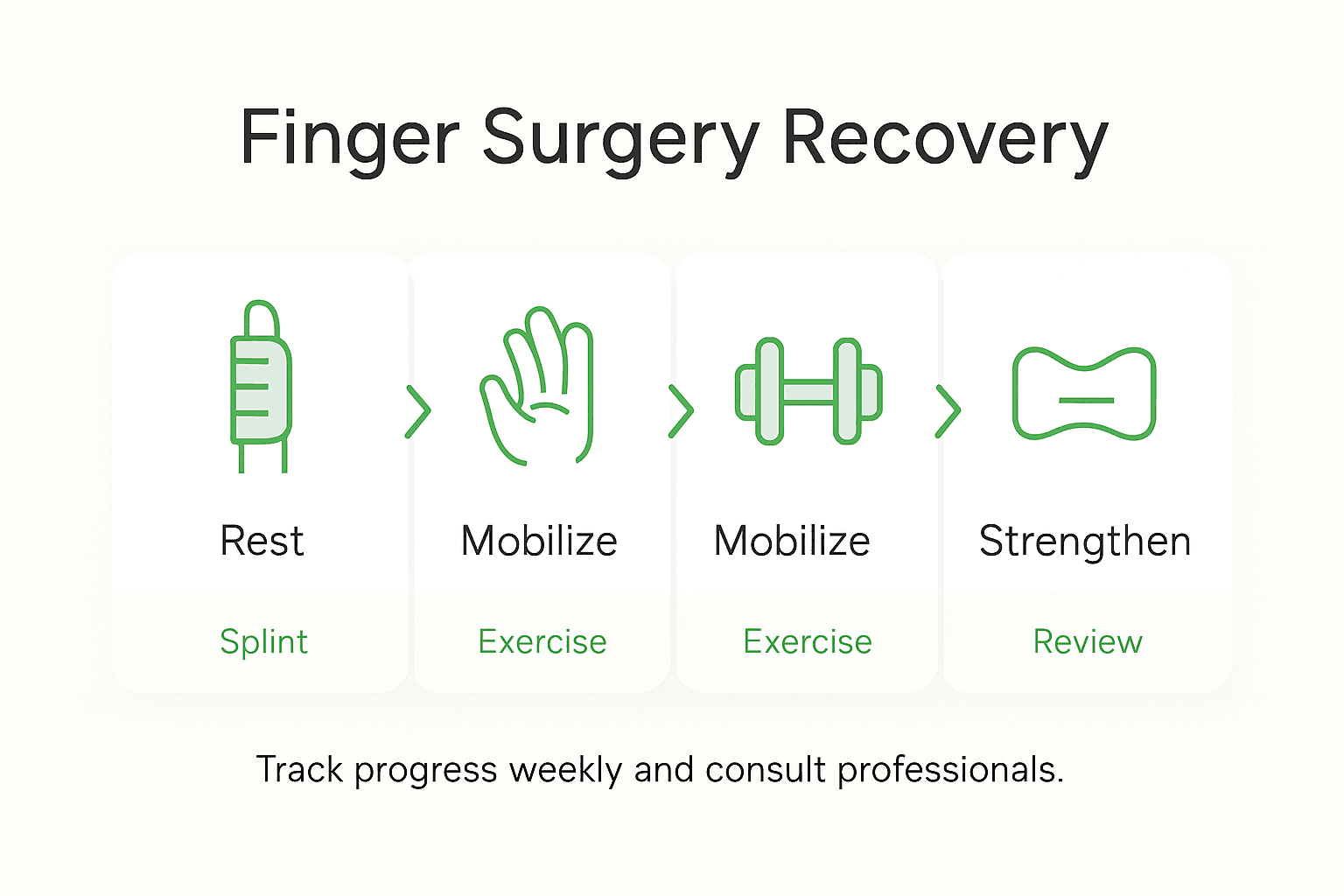
The rehabilitation workflow involves multiple critical phases, including pain management, swelling reduction, and progressive movement reintroduction. Initial stages focus on protecting the surgical site and managing discomfort, often utilizing specialized splints to maintain proper alignment. Physical therapists and orthopedic specialists will design personalized rehabilitation protocols that may include gentle range-of-motion exercises, tendon glide techniques, and carefully structured strengthening movements to prevent stiffness and promote healing.
As recovery advances, patients will transition from passive to active movements, with increasing complexity and resistance in therapeutic exercises. Orthopedic specialists typically monitor progress through regular follow-up appointments, adjusting rehabilitation strategies based on individual healing rates and specific fracture characteristics. The ultimate goal remains restoring complete finger function, ensuring patients can return to their normal daily activities with minimal long-term limitations.
Pro Tip: Maintain a detailed rehabilitation journal to track your progress, document pain levels, and communicate effectively with your physical therapist about your recovery journey.
Potential Risks, Complications, and Costs
Surgical intervention for finger fractures carries inherent medical risks that patients must carefully consider before proceeding. Potential complications can range from minor setbacks to more significant medical challenges, including infection, nerve damage, and potential disruption of long-term finger function, requiring comprehensive pre-surgical consultation and thorough understanding of potential outcomes.
The financial and medical landscape of finger fracture surgery involves multiple potential complications, including wound healing problems, hardware failure, and the potential development of arthritis in surgically treated joints. Cost considerations extend beyond the initial surgical procedure, encompassing expenses related to anesthesia, hospital stays, specialized rehabilitation, potential follow-up treatments, and extended recovery periods. Patients should anticipate additional medical expenses for physical therapy, potential diagnostic imaging, and any unanticipated corrective interventions.
Orthopedic specialists typically categorize surgical risks into several key areas: physiological complications, functional limitations, and potential long-term medical consequences. These may include persistent joint stiffness, reduced range of motion, nonunion or improper bone healing, ongoing pain management challenges, and the possibility of requiring additional surgical procedures to address initial complications. Careful patient selection, precise surgical techniques, and comprehensive post-operative care can significantly mitigate these potential risks.
Pro Tip: Request a detailed cost breakdown and risk assessment from your orthopedic surgeon, including both direct medical expenses and potential indirect costs associated with recovery and rehabilitation.
Use this reference table to better understand key risk and cost aspects of finger fracture surgery:
| Risk/Cost Factor | Typical Concern | Patient Impact |
|---|---|---|
| Infection | Wound or hardware contamination | Extra treatment, slower healing |
| Nerve Damage | Impaired finger sensation or motion | Long-term rehabilitation |
| Hardware Failure | Plates/pins may shift or break | Possible repeat surgery |
| Arthritis Development | Joint stiffness over time | Reduced finger mobility |
| Financial Expenses | Surgery, rehab, follow-up visits | Out-of-pocket or insurance |
Choosing the Right Specialist in Austin
Hand surgery specialists require exceptional precision, particularly when addressing complex finger fracture cases. Patients in Austin can leverage professional directories to identify board-certified hand care providers with specialized training in upper extremity surgical techniques, ensuring they receive expert medical attention tailored to their specific injury.
Academic medical centers like Dell Medical School offer comprehensive hand surgery expertise, with specialists focusing exclusively on intricate upper extremity procedures. When selecting a hand surgeon, patients should consider critical factors such as board certification, fellowship training in hand and microsurgery, hospital affiliations, surgical experience with finger fracture reconstructions, and patient outcomes. Comprehensive evaluation should include reviewing the surgeon’s specialized training, understanding their approach to complex hand injuries, and verifying their track record in performing delicate finger surgical interventions.
Beyond technical qualifications, patients should seek specialists who demonstrate a holistic approach to hand rehabilitation. This includes understanding the surgeon’s philosophy on postoperative care, their collaboration with physical therapists, and their commitment to personalized treatment plans. Successful hand surgery extends far beyond the operating room, requiring a nuanced understanding of functional recovery, pain management, and long-term mobility restoration.
Pro Tip: Schedule initial consultations with multiple hand surgery specialists to compare their expertise, communication styles, and specific approaches to finger fracture treatment.
Regain Strength and Mobility with Expert Broken Finger Care
Recovering from a broken finger can be challenging, especially when surgery is needed to restore proper bone alignment and finger function. This article highlights the importance of specialized surgical intervention and tailored rehabilitation to prevent long-term stiffness and loss of motion. If you are seeking relief from pain, swelling, or limited movement after a finger fracture, understanding your treatment options and recovery plan is crucial.
At Austin Hand To Shoulder, we provide personalized surgical care led by fellowship-trained, board-certified specialists who focus on upper extremity injuries like broken fingers. Our team works closely with you throughout your healing journey, guiding you from surgery to advanced rehabilitation to help you regain hand strength and function effectively. Explore our detailed Surgery Recovery & Rehab Guides | Austin Orthopedic Care for helpful resources tailored to your needs.
Looking for expert advice or ready to schedule a consultation? Upper Extremity Surgery Articles | Austin Orthopedic Blog offers insights to empower your decisions. Visit our main site today at https://handtoshoulderaustin.com to connect with Dr. Manish V. Patel and his compassionate care team.
Start your journey toward restored finger function and strength now.

Don’t let a broken finger hold you back. Contact us today to book your appointment and discover personalized treatment plans designed to help you return to your daily activities with confidence.
Frequently Asked Questions
What are the indications for broken finger surgery?
Surgery is recommended for broken fingers when fractures are unstable, significantly displaced, or cannot be properly aligned through nonsurgical methods, such as casting or splinting.
What types of surgical procedures are commonly used for finger fractures?
Common procedures include closed reduction and fixation for non-displaced fractures, percutaneous pinning for slightly displaced bones, and open reduction and internal fixation for complex fractures.
What is the expected recovery process after broken finger surgery?
Recovery involves stages starting with initial immobilization, followed by gradual introduction of movement and strengthening exercises as guided by physical therapists and orthopedic specialists.
What are the potential risks and complications associated with finger fracture surgery?
Potential risks include infection, nerve damage, hardware failure, joint stiffness, and long-term complications such as arthritis, emphasizing the need for careful surgical technique and post-operative care.
Recommended
- Surgery for Arthritis in Finger Joints: Step-by-Step Recovery – Austin Hand To Shoulder
- How to Strengthen Wrist After Surgery: Step-by-Step Recovery Guide – Austin Hand To Shoulder
- 7 Key Benefits of Wrist Surgery for Faster Recovery – Austin Hand To Shoulder
- Understanding Hand Tendon Repair Explained for Patients – Austin Hand To Shoulder


