
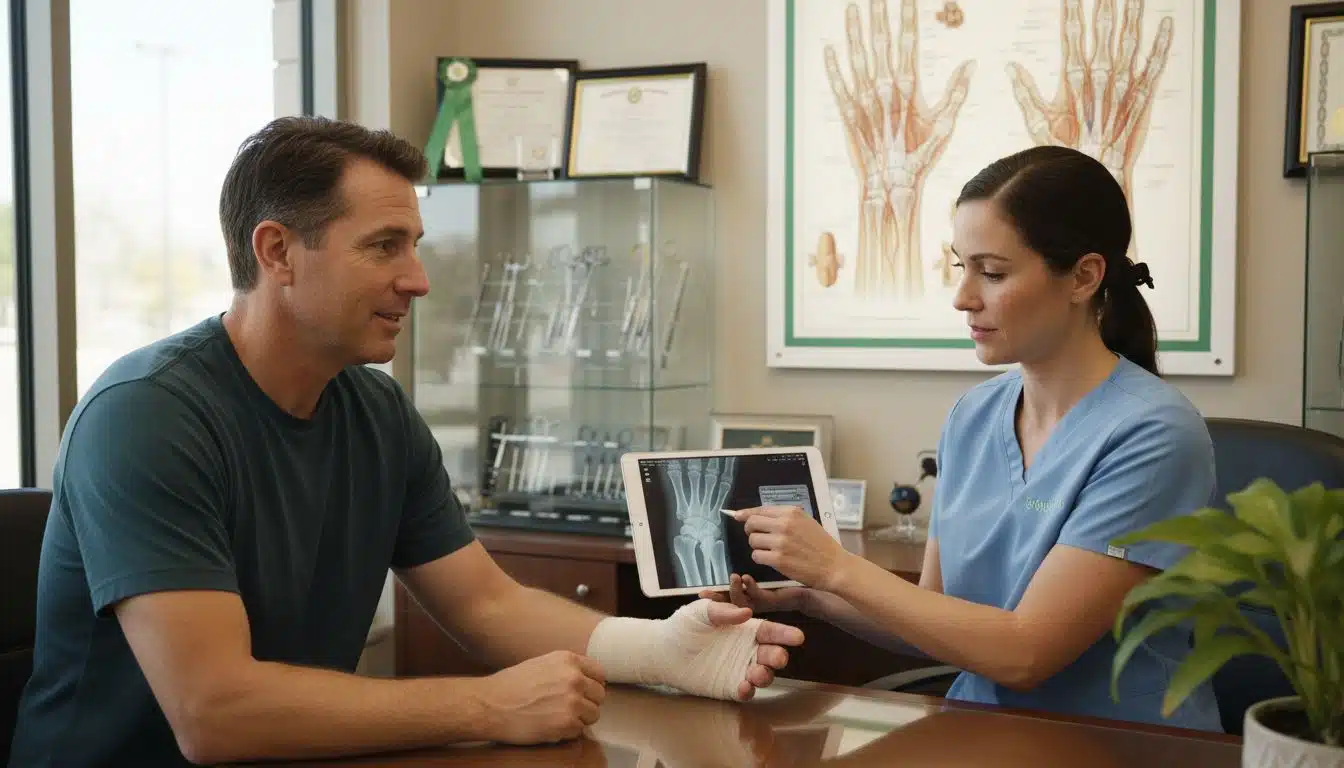
A single misstep or accident can leave you with a fractured hand, instantly disrupting daily tasks and independence. Up to 20 percent of all bone fractures involve the hand according to medical studies, making these injuries more common than many realize. Knowing what a broken hand doctor does, from expert diagnosis to advanced surgical care, helps you find effective treatment quickly so you can regain full use and avoid lasting complications.
Table of Contents
- What A Broken Hand Doctor Does
- Types Of Hand Fractures And Their Signs
- Diagnosis And Assessment By Hand Experts
- Treatment Options And Surgical Approaches
- Risks, Recovery Timelines, And Costs
- Selecting A Specialist In Austin, Texas
Key Takeaways
| Point | Details |
|---|---|
| Specialization of Hand Doctors | Broken hand doctors are specialized orthopedic surgeons trained to diagnose and treat complex hand injuries using both non-surgical and surgical methods. |
| Types of Hand Fractures | Common hand fractures include stable, unstable, comminuted, and open fractures, each presenting unique signs and requiring tailored treatment. |
| Treatment Options | Hand fractures are treated through individualized plans which may include immobilization, surgical interventions, and complementary therapies like PRP therapy for enhanced healing. |
| Selecting a Specialist | When choosing a hand specialist, evaluate their credentials, experience with complex cases, and willingness to provide personalized treatment strategies. |
What a Broken Hand Doctor Does
A broken hand doctor, also known as a hand surgeon or orthopedic specialist, is a medical professional specifically trained to diagnose, treat, and rehabilitate complex hand injuries and fractures. According to the American Society for Surgery of the Hand, these specialists utilize both non-surgical and surgical methods to restore hand function and alleviate pain.
Hand surgeons provide comprehensive care for hand fractures through multiple critical approaches. OrthoInfo explains that their management includes initial assessment, precise diagnostic imaging, and creating personalized treatment plans. These plans might involve:
- Immobilization using specialized splints or casts
- Surgical reconstruction for complex fractures
- Precise alignment of broken bone fragments
- Rehabilitation and physical therapy strategies
When you experience a hand injury, a hand surgeon conducts a thorough evaluation to determine the most effective treatment. They might recommend PRP therapy as a non-surgical intervention to accelerate healing, or suggest surgical procedures for more severe fractures. Why See a Hand Specialist: Complete Guide for Austin provides additional insights into the specialized care these medical professionals offer, ensuring patients receive targeted, expert treatment for their specific hand condition.
Types of Hand Fractures and Their Signs
Hand fractures are complex injuries that can significantly impact your daily life, with multiple distinct types presenting unique challenges.
Here’s a summary of common hand fracture types and their key characteristics:
| Fracture Type | Description | Common Signs |
|---|---|---|
| Stable | Bone pieces remain aligned | Mild swelling Minimal deformity |
| Unstable | Bone shifts out of alignment | Obvious misalignment Pain on movement |
| Comminuted | Bone shattered into multiple pieces | Severe swelling Irregular shape |
| Open | Bone breaks through the skin | Bleeding Visible bone High infection risk |
| According to the American Society for Surgery of the Hand, hand fractures can be categorized into several critical classifications: stable, unstable, comminuted, and open fractures, each requiring specialized medical attention. |
OrthoInfo highlights that the most common hand fractures involve the phalanges (finger bones) and metacarpals (hand bones). Recognizing the signs of these fractures is crucial for prompt treatment.
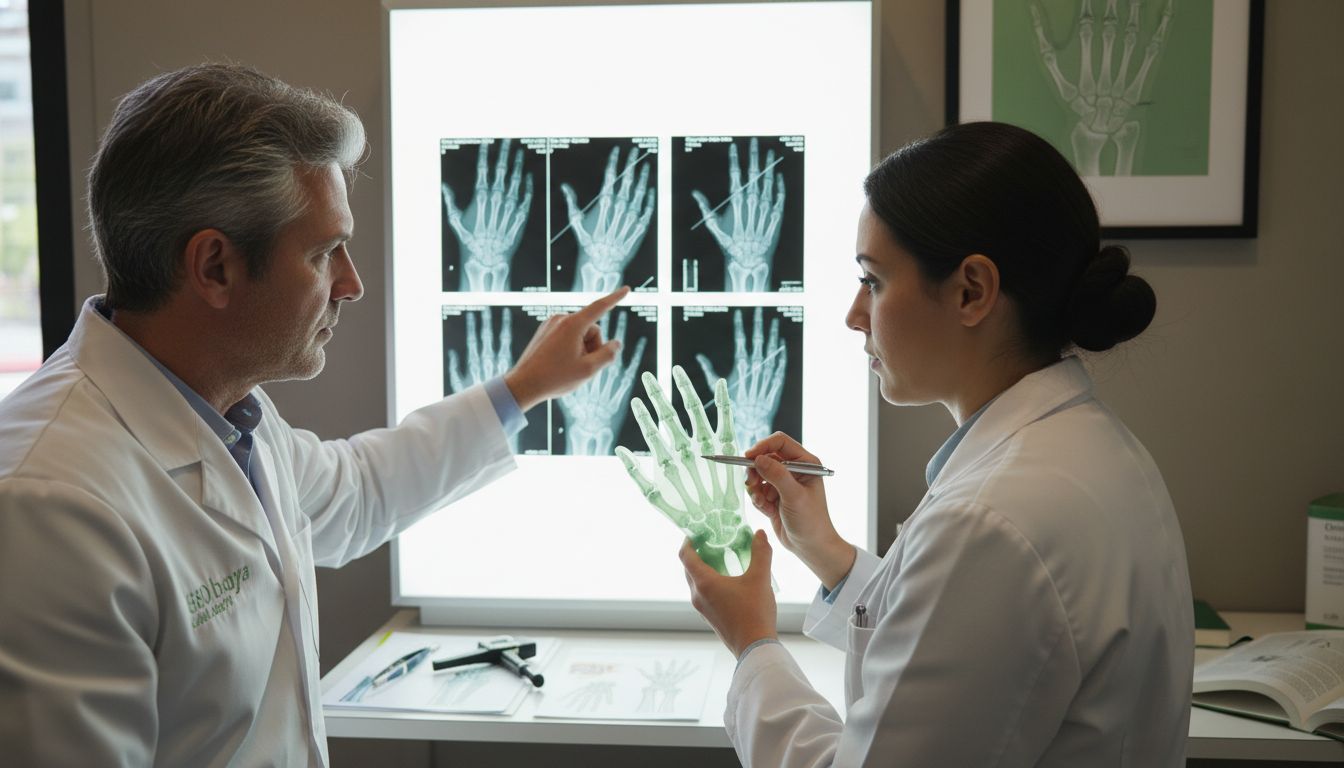 Common indicators include:
- Intense, sharp pain at the injury site
- Visible swelling and bruising
- Difficulty moving fingers or hand
- Obvious deformation or misalignment
- Numbness or tingling sensations
- Extreme tenderness when touching the area
The severity of hand fractures can vary dramatically. Some fractures might seem minor but can lead to long-term complications if not properly treated. PRP therapy and specialized surgical interventions can help patients recover faster and more effectively. What Is Hand Surgery? Complete Overview for Austin Locals provides additional context about the advanced treatment options available for complex hand injuries.
Diagnosis and Assessment by Hand Experts
When it comes to diagnosing hand fractures, hand specialists employ a comprehensive and meticulous approach to ensure accurate treatment. OrthoInfo explains that the diagnostic process involves a detailed physical examination coupled with advanced imaging techniques to determine the precise nature and severity of the injury.
The diagnostic journey typically involves several critical steps:
- Comprehensive medical history review
- Detailed physical examination of the injured hand
- Precise range of motion assessments
- Advanced imaging studies including X-rays and potential CT scans
- Neurological evaluations to check nerve and blood vessel involvement
Hand experts understand that each fracture tells a unique story.
They look beyond the surface, examining not just the bone damage but also potential soft tissue injuries, nerve impairment, and long-term functional implications. PRP therapy might be considered as part of the comprehensive treatment plan, depending on the specific characteristics of the fracture and the patient’s overall health.
For Austin residents seeking specialized hand care, Hand Doctor Austin, TX | Orthopedic Hand Specialist provides expert-level diagnostic services that go beyond traditional medical assessments, ensuring patients receive personalized and cutting-edge treatment strategies for their specific hand conditions.
Treatment Options and Surgical Approaches
Hand fracture treatments are highly personalized, with medical professionals carefully selecting interventions based on each patient’s unique injury profile. OrthoInfo highlights that treatment ranges from conservative methods like immobilization to advanced surgical procedures, depending on the fracture’s complexity and location.
Non-surgical and surgical treatment options typically include:
- Immobilization techniques
- Custom-fitted splints
- Specialized medical casting
- Precise alignment of fractured bones
- Surgical interventions
- Internal fixation with pins or screws
- Bone grafting for complex fractures
- Reconstructive procedures
- Complementary therapies
- PRP therapy for accelerated healing
- Physical rehabilitation
- Targeted pain management
Surgical approaches require exceptional precision. Hand surgeons use advanced techniques to restore function, addressing not just bone alignment but also potential soft tissue damage. Modern surgical methods aim to minimize recovery time and maximize long-term mobility. Understanding Hand Tendon Repair Explained for Patients provides additional context about the intricate surgical strategies used in hand injury treatment, ensuring patients understand the comprehensive care they’ll receive.
Risks, Recovery Timelines, and Costs
Understanding the complexities of hand fracture recovery is crucial for patients navigating their healing journey. OrthoInfo reveals that recovery timelines can vary dramatically, with simple fractures potentially healing in weeks while more complex cases might require several months of rehabilitation.
Potential risks and recovery considerations include:
- Recovery Timeline Variations
- Simple fractures: 4-6 weeks
- Complex fractures: 3-6 months
- Surgical cases: Extended rehabilitation
- Potential Medical Complications
- Persistent joint stiffness
- Reduced range of motion
- Potential nerve damage
- Risk of incomplete healing
- Cost Factors
- Initial diagnostic imaging
- Surgical procedures
- PRP therapy
- Physical rehabilitation
- Follow-up consultations
Navigating the financial aspects of hand injury treatment requires careful planning. Insurance coverage, treatment complexity, and individual healing rates can significantly impact overall expenses.
INFOGRAPHIC:infographic_content] [Hand Doctor Austin, TX | Orthopedic Hand Specialist recommends discussing comprehensive treatment plans and potential financial options during your initial consultation to ensure you understand the full scope of your recovery journey.
Selecting a Specialist in Austin, Texas
Choosing the right hand specialist requires careful consideration and strategic evaluation of multiple critical factors. OrthoInfo emphasizes the importance of thoroughly examining a physician’s credentials, experience, and patient testimonials to ensure you receive top-quality orthopedic care.
Key criteria for selecting an exceptional hand specialist include:
- Professional Credentials
- Board certification in orthopedic surgery
- Fellowship training in upper extremity care
- Specialized hand surgery expertise
- Experience Indicators
- Years of focused hand injury treatment
- Complex case management history
- Advanced surgical technique proficiency
- Patient Care Considerations
- Comprehensive diagnostic approaches
- PRP therapy availability
- Personalized treatment strategies
- Clear communication skills
Austin residents seeking specialized hand care can explore comprehensive orthopedic services that prioritize patient-centered treatment. Orthopedic Care Archives offer additional insights into the specialized approaches used by top hand specialists in the Austin area, helping patients make informed decisions about their medical treatment.
Get Expert Care for Your Broken Hand Injury in Austin
Recovering from a broken hand can be overwhelming with the pain, immobility, and uncertainty about the next steps. If you are dealing with intense pain, swelling, or difficulty moving your fingers after a hand injury, expert guidance tailored to your specific fracture type is critical. Understanding options like immobilization, precise surgical repair, and innovative treatments such as PRP therapy can make all the difference in regaining hand function and avoiding long-term complications.

Take control of your recovery today by reaching out to Dr. Manish V. Patel, a fellowship-trained, board-certified hand surgeon dedicated to personalized care in Austin, Texas. Visit Hand Pain, Procedures & Treatment Articles | Austin Orthopedics to learn more about treatment options, then schedule your consultation through https://handtoshoulderaustin.com. Your hands deserve expert care that accelerates healing and restores your quality of life.
Frequently Asked Questions
What does a broken hand doctor do?
A broken hand doctor, or hand surgeon, specializes in diagnosing and treating hand injuries and fractures using both non-surgical and surgical methods to restore function and alleviate pain.
What types of hand fractures exist and how do I recognize them?
Common types of hand fractures include stable, unstable, comminuted, and open fractures. Signs of these fractures may include swelling, bruising, intense pain, difficulty moving the hand, and visible misalignment.
How are hand fractures diagnosed?
Hand specialists diagnose fractures through a detailed medical history review, physical examination, and advanced imaging techniques like X-rays or CT scans to assess the extent of the injury.
What are the treatment options available for hand fractures?
Treatment options for hand fractures include immobilization with splints or casts, surgical interventions for complex fractures, and complementary therapies such as PRP therapy and physical rehabilitation.


