

Nearly one in five american adults experiences hand pain at some point, yet myths still shape how many respond to these symptoms. From typing on keyboards to lifting groceries, your hands play a vital role in everyday life. Understanding what your hand pain means and separating fact from fiction can help you recognize real warning signs, avoid common mistakes, and make confident choices about protecting your long-term hand health.
Table of Contents
- What Hand Pain Means and Common Myths
- Common Causes of Hand Pain Conditions
- Key Symptoms and Warning Signs to Watch
- Diagnostic Exams and Tests Explained
- When to Consult a Hand Specialist
- Risks of Delayed Diagnosis and Self-Treatment
Key Takeaways
| Point | Details |
|---|---|
| Understanding Hand Pain | Hand pain can indicate various conditions, not just serious issues. Prompt consultation is essential if pain persists or worsens. |
| Common Myths | Many believe hand pain is only a concern for older individuals; however, it can affect people of all ages due to multiple causes. |
| When to Seek Help | Immediate medical attention is necessary for severe symptoms, such as loss of mobility or intense pain, which may indicate serious conditions. |
| Risks of Self-Treatment | Relying on home remedies can worsen conditions and lead to long-term complications. Professional evaluation is crucial for effective treatment. |
What Hand Pain Means and Common Myths
Hand pain isn’t just a simple ache that you can ignore. It’s a complex signal your body sends when something isn’t functioning correctly in your intricate hand anatomy. While many people assume hand pain always indicates a serious condition, the reality is far more nuanced. According to research from NINDS, conditions like carpal tunnel syndrome can cause significant discomfort by compressing the median nerve in the wrist, leading to numbness and persistent pain.
Contrary to popular belief, hand pain isn’t exclusively an older person’s problem. Arthritis.org highlights that arthritis and related hand conditions can affect individuals of all ages, including young adults and even children. This debunks the widespread myth that hand pain is solely a consequence of aging. In fact, repetitive strain injuries, sports activities, workplace ergonomics, and genetic predispositions can all contribute to hand discomfort.
Understanding hand pain requires recognizing its multifaceted nature. Some common myths include believing that hand pain will simply “go away” on its own or that pushing through the pain demonstrates strength. These misconceptions can lead to prolonged suffering and potential long-term damage. Professional evaluation becomes crucial, especially when pain persists, limits your daily activities, or is accompanied by swelling, reduced grip strength, or tingling sensations. For residents of Austin experiencing persistent hand discomfort, consulting a specialized guide on hand and wrist conditions can provide comprehensive insights into potential causes and treatment options.
Common Causes of Hand Pain Conditions
Hand pain can stem from a wide range of conditions, each with its unique characteristics and underlying mechanisms.
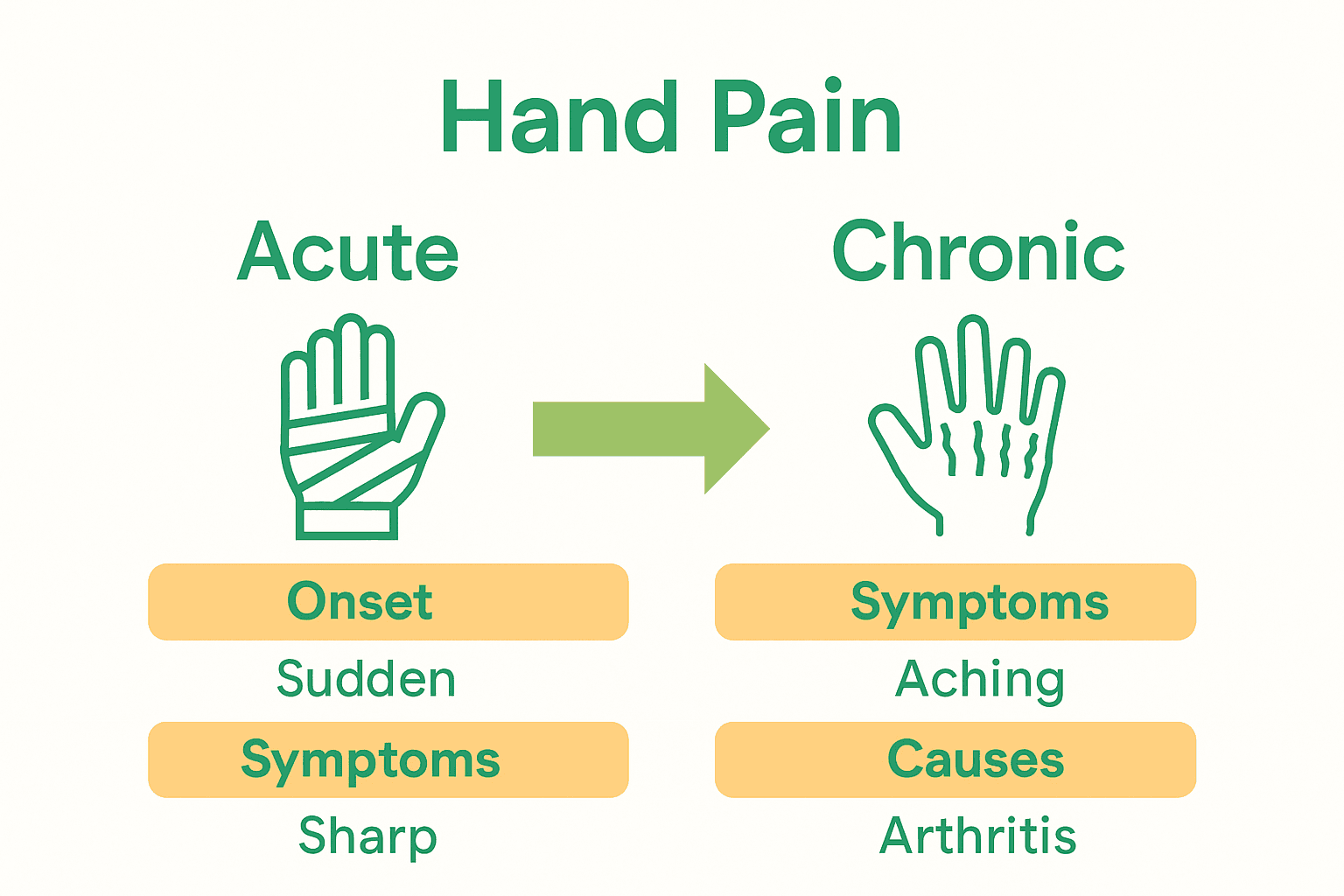 Mayo Clinic highlights that hand pain can result from both sudden injuries and long-term issues. Acute injuries like sprains, fractures, and direct impacts can cause immediate discomfort, while chronic conditions develop gradually through repetitive stress, inflammation, or degenerative processes.
Arthritis represents a significant category of hand pain conditions. According to Arthritis.org, multiple forms of arthritis can affect hand functionality. Osteoarthritis typically occurs from wear and tear, causing joint cartilage breakdown, while rheumatoid arthritis is an autoimmune condition that triggers systematic inflammation. Both conditions produce similar symptoms: persistent pain, stiffness, swelling, and reduced hand mobility.
Beyond arthritis, several other conditions contribute to hand pain. Repetitive strain injuries from workplace activities, sports, or prolonged computer use can lead to carpal tunnel syndrome, tendonitis, and nerve compression. Genetic factors, previous hand traumas, and underlying health conditions also play crucial roles in hand pain development. For Austin residents seeking comprehensive insights into managing these conditions, our guide on hand injuries offers detailed strategies for understanding and addressing hand pain effectively.
Key Symptoms and Warning Signs to Watch
Hand pain is more than just a simple ache. Recognizing early warning signs can help prevent long-term damage and identify potentially serious underlying conditions. Mayo Clinic highlights specific symptoms of nerve-related hand conditions, particularly carpal tunnel syndrome, which can manifest through distinctive neurological signals. Key indicators include persistent numbness, tingling sensations, and unexpected weakness that often target specific areas of the hand, especially affecting the thumb and primary fingers.
According to Arthritis.org, hand pain symptoms extend beyond simple discomfort. Inflammatory conditions like arthritis produce a constellation of warning signs that can dramatically impact daily functioning. These symptoms include morning stiffness lasting more than an hour, swelling around joint areas, reduced grip strength, and localized pain that intensifies with movement.
 Paying attention to these signals can help differentiate between temporary strain and potential chronic conditions requiring professional intervention.
Some critical warning signs that demand immediate medical attention include sudden loss of hand mobility, intense and persistent pain unrelieved by rest, visible joint deformities, or significant weakness preventing basic tasks like writing or holding objects. For Austin residents experiencing these symptoms, our guide on hand injuries provides comprehensive insights into understanding and addressing potential hand condition complexities. Remember, early detection and professional evaluation can prevent minor issues from developing into more serious, potentially debilitating hand conditions.
Diagnostic Exams and Tests Explained
Mayo Clinic outlines a comprehensive approach to diagnosing hand and wrist conditions through multiple specialized examination techniques. The diagnostic journey typically begins with a thorough physical examination, where healthcare professionals assess hand mobility, strength, and potential areas of discomfort. This initial evaluation helps doctors understand the scope and nature of potential underlying issues before proceeding with more advanced diagnostic procedures.
OrthoInfo highlights several sophisticated diagnostic tests that provide detailed insights into hand conditions. Advanced imaging techniques play a crucial role in accurately diagnosing hand pain. These include X-rays to examine bone structures, MRI scans for soft tissue evaluation, and ultrasound imaging to assess nerve and muscle conditions. Nerve conduction studies and electromyograms are particularly valuable for detecting nerve compression syndromes like carpal tunnel, measuring electrical activity and identifying potential neurological impairments.
Diagnostic testing often involves a multi-step approach tailored to individual symptoms. Specialized assessments might include blood tests to check for inflammatory markers, range of motion evaluations, and detailed nerve function studies. For Austin residents seeking comprehensive hand pain diagnosis, our guide on hand injuries provides additional context about what to expect during these diagnostic processes. The goal is not just identifying the problem, but understanding its root cause to develop the most effective treatment strategy.
When to Consult a Hand Specialist
Mayo Clinic emphasizes the critical importance of timely medical intervention for hand injuries and persistent pain. Acute conditions that demand immediate specialist attention include visible deformities, severe swelling, inability to move fingers, intense pain following an injury, or suspected fractures. These situations require professional assessment to prevent long-term complications and ensure proper healing of complex hand structures.
According to Arthritis.org, chronic symptoms also warrant specialized medical evaluation. Persistent hand pain lasting more than a few weeks, accompanied by morning stiffness, reduced grip strength, or unexplained swelling, could indicate underlying conditions like arthritis or nerve disorders. Warning signs that suggest immediate hand specialist consultation include sudden weakness, numbness spreading through the hand, pain that interrupts sleep, or significant limitations in performing daily activities.
Professional hand specialists can provide comprehensive diagnostics and targeted treatment strategies beyond standard medical care. For Austin residents seeking expert guidance, our guide on why to see a hand specialist offers deeper insights into recognizing when specialized intervention becomes crucial. Remember that early detection and professional assessment can prevent minor issues from developing into more complex, potentially debilitating hand conditions.
Risks of Delayed Diagnosis and Self-Treatment
National Institutes of Health research reveals a critical concern about hand pain management: self-treatment without professional guidance can lead to significant long-term complications. Delayed diagnosis often transforms minor, treatable conditions into complex, potentially permanent disabilities. Individuals who rely solely on over-the-counter medications or home remedies risk masking underlying structural problems that require specialized medical intervention.
NINDS highlights the extreme consequences of neglecting proper medical evaluation, particularly with conditions like Complex Regional Pain Syndrome. Without timely professional assessment, seemingly minor hand injuries can escalate into chronic pain syndromes characterized by extreme sensitivity, reduced mobility, and neurological dysfunction. The window for effective treatment narrows dramatically with each passing week of unaddressed symptoms, potentially leading to permanent nerve damage and significant functional limitations.
Self-treatment risks extend beyond immediate physical complications. Chronic hand conditions can impact overall quality of life, affecting work performance, personal independence, and mental health. For Austin residents seeking comprehensive understanding of these risks, our broken hand doctor guide offers critical insights into recognizing when professional medical intervention becomes essential. Remember: your hands are complex, interconnected systems that require expert care when something goes wrong.
Take Control of Your Hand Pain with Expert Orthopedic Care
If you are struggling with persistent hand pain or confusion about diagnostic exams and when to consult a specialist then you are not alone. This guide revealed the complexity behind symptoms like numbness tingling and weakness that should never be ignored. With conditions ranging from arthritis to nerve compression detailed knowledge and professional evaluation are key to preventing long-term damage and improving quality of life. Learn more about effective treatments and what to expect on the journey to recovery by exploring our Hand Pain Procedures & Treatment Articles | Austin Orthopedics.

Do not wait until discomfort worsens or everyday tasks become a challenge. Dr. Manish V. Patel and our dedicated team in Austin provide personalized care plans tailored to your unique needs. Visit https://handtoshoulderaustin.com today to schedule an appointment and take the first step toward restoring your hand function. For insights into wrist-specific concerns also check out our detailed Wrist Injury & Treatment Guides | Austin Orthopedic Blog and get comprehensive support from initial diagnosis through expert treatment.
Frequently Asked Questions
What are the common causes of hand pain?
Hand pain can result from various conditions including acute injuries like sprains or fractures, chronic issues like arthritis, repetitive strain injuries, tendonitis, and nerve compression syndromes such as carpal tunnel syndrome.
When should I consult a hand specialist for my pain?
You should see a hand specialist if you experience persistent pain lasting more than a few weeks, sudden weakness or numbness in your hand, visible deformities, or severe swelling. Early evaluation is crucial to prevent long-term complications.
What symptoms indicate a serious hand condition?
Warning signs include sudden loss of hand mobility, intense pain that doesn’t improve with rest, visible joint deformities, or difficulty performing daily tasks. These symptoms require immediate medical attention.
How are hand pain conditions diagnosed?
Diagnosis typically involves a thorough physical examination by a healthcare professional, along with imaging tests like X-rays or MRIs, and specialized assessments such as nerve conduction studies to identify any underlying issues.
Recommended
- How to Relieve Hand Pain Naturally: Step-by-Step Guide – Austin Hand To Shoulder
- Wrist Fractures Misdiagnosed: Complete Guide – Austin Hand To Shoulder
- 7 Common Types of Hand and Wrist Conditions Explained – Austin Hand To Shoulder
- Broken Hand Doctor: Complete Guide for Austin Patients – Austin Hand To Shoulder


