

Over one third of American athletes report shoulder pain at some point in their careers, affecting everyone from high school competitors to elite professionals. This common issue disrupts training, limits peak performance, and often signals more complex underlying problems. By examining the unique causes, common injuries, warning signs, and proven solutions, you will gain clear guidance on safeguarding shoulder health and extending your athletic longevity.
Table of Contents
- Understanding Shoulder Pain in Athletes
- Common Shoulder Injuries in Sports
- Recognizing Symptoms and When to Seek Help
- Preventing Shoulder Injuries During Activity
- Treatment Options for Athletic Shoulder Pain
Key Takeaways
| Point | Details |
|---|---|
| Complexity of Shoulder Pain | Shoulder pain in athletes is multifaceted, often arising from overuse injuries, improper techniques, and muscle imbalances. Proper evaluation and understanding of these factors are essential for effective treatment. |
| Common Injuries and Symptoms | Predominant shoulder injuries include rotator cuff tears and shoulder impingement. Athletes should recognize symptoms such as persistent pain and reduced range of motion for early intervention. |
| Prevention Strategies | Effective prevention involves targeted warm-ups, strength training, and biomechanical assessments. Athletes should focus on developing muscular balance and understanding their individual risk factors. |
| Holistic Treatment Approach | Treatment for shoulder pain requires a comprehensive strategy, including conservative management, physical therapy, and possibly surgical interventions. Personalized rehabilitation plans are essential for recovery and maintaining athletic performance. |
Understanding Shoulder Pain in Athletes
Shoulder pain represents a complex and challenging issue for athletes across multiple disciplines, demanding comprehensive understanding and strategic management. Athletes frequently encounter unique biomechanical stresses that can precipitate significant shoulder injuries, requiring targeted medical intervention and specialized diagnostic approaches.
Throwing athletes, in particular, experience distinctive shoulder strain patterns that emerge from repetitive overhead motions. Research from Johns Hopkins University highlights the multifactorial nature of shoulder pain, emphasizing that effective evaluation goes far beyond simple symptom assessment. These athletes often develop microtraumas that accumulate over time, creating progressive damage to joint structures that might not be immediately apparent.
The underlying causes of shoulder pain in athletes typically stem from several key factors:
- Overuse injuries resulting from repetitive motion
- Improper biomechanical techniques
- Muscle imbalances and structural weaknesses
- Inadequate recovery and rehabilitation protocols
Understanding these complex interactions requires a nuanced approach. Advanced diagnostic techniques and comprehensive injury assessments can help athletes and medical professionals identify the root causes of shoulder discomfort and develop targeted treatment strategies. By recognizing early warning signs and implementing proactive management techniques, athletes can significantly reduce their risk of long-term shoulder complications and maintain peak performance levels.
Common Shoulder Injuries in Sports
Athletes across various sports encounter a complex range of shoulder injuries that can significantly impact performance and long-term musculoskeletal health. These injuries often result from repetitive stress, sudden impacts, or improper biomechanical techniques that place extraordinary strain on delicate shoulder structures.
Clinical research examining shoulder injury patterns reveals several predominant injury types that consistently challenge athletes. The most frequent shoulder injuries include:
- Rotator cuff tears
- Shoulder impingement syndrome
- Labral tears
- Dislocations and subluxations
- Bursitis and tendinitis
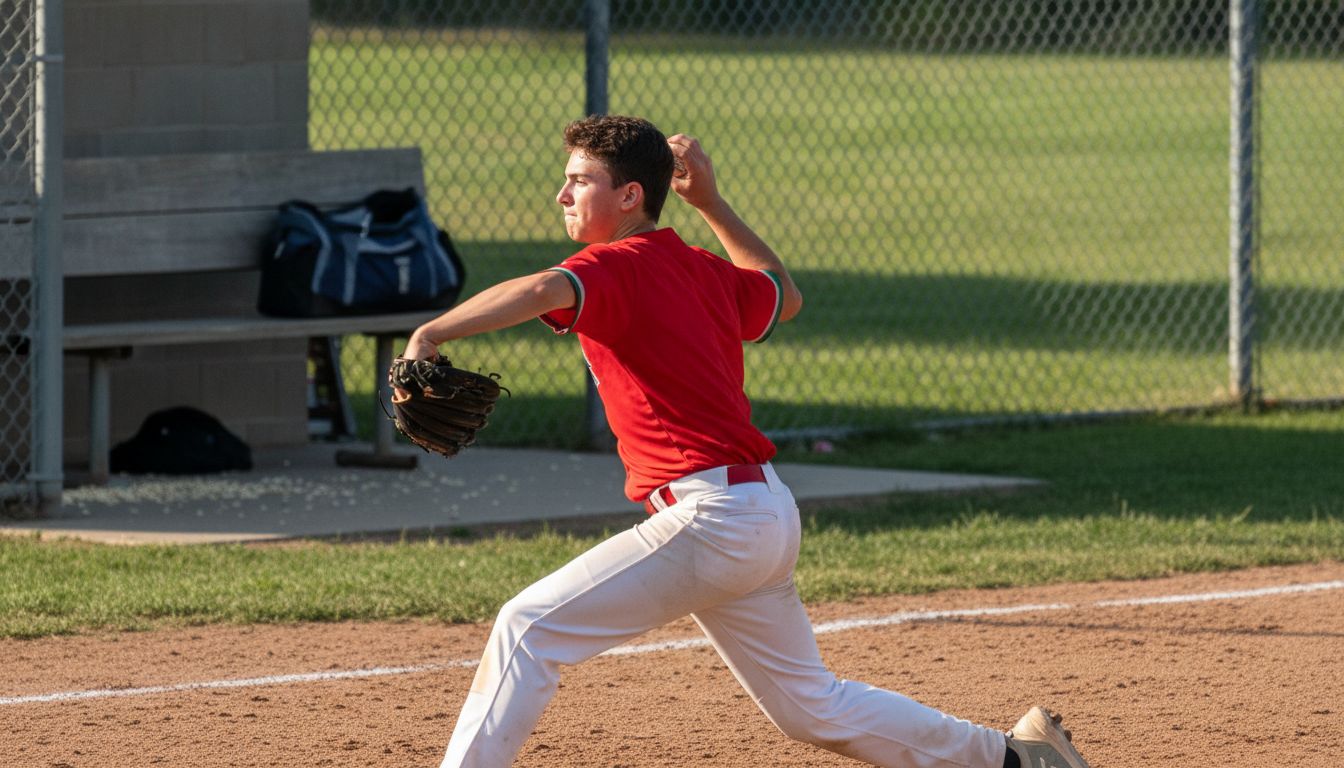
Throwing sports like baseball, tennis, and swimming present particularly high risks for shoulder complications. Understanding the nuanced mechanisms behind athlete shoulder injuries helps medical professionals develop targeted prevention and rehabilitation strategies. Athletes must recognize early warning signs such as persistent pain, reduced range of motion, and weakness, which can indicate developing shoulder problems that require immediate professional assessment.
Proper diagnostic techniques and comprehensive evaluation are critical in managing these complex injuries. Prevention strategies typically involve targeted strength training, biomechanical analysis, and maintaining balanced muscle development to mitigate potential shoulder trauma. By implementing proactive approaches and seeking specialized medical guidance, athletes can significantly reduce their risk of chronic shoulder conditions and maintain optimal performance levels.
Recognizing Symptoms and When to Seek Help
Shoulder pain in athletes requires careful and nuanced interpretation, as not all discomfort signals a serious injury. Research on high school athlete shoulder injuries demonstrates the critical importance of understanding subtle warning signs that might indicate a developing musculoskeletal problem.
Athletes should be vigilant about several key symptoms that warrant immediate medical attention:
- Persistent pain that does not improve with rest
- Sharp or sudden pain during athletic movements
- Significant reduction in range of motion
- Weakness or instability in the shoulder joint
- Audible clicking or popping sounds during movement
- Visible swelling or inflammation
Comprehensive injury research across high school sports highlights that early intervention can dramatically reduce long-term complications. Ignoring initial symptoms can transform minor issues into chronic conditions that potentially end an athlete’s competitive career. Professional medical assessment becomes crucial when pain interferes with normal training routines or daily activities.
Ultimately, athletes must balance their competitive drive with intelligent self-monitoring. Understanding potential shoulder injury mechanisms enables proactive management and helps prevent unnecessary long-term damage. Working closely with sports medicine professionals who can provide precise diagnostic evaluations ensures athletes can address potential shoulder issues quickly and effectively, maintaining both their athletic performance and long-term musculoskeletal health.
Preventing Shoulder Injuries During Activity
Athletic performance and shoulder health are intrinsically linked, requiring a proactive and strategic approach to injury prevention. Comprehensive research on sports injury prevention programs highlights the critical importance of targeted interventions that address the unique biomechanical demands placed on athletes’ shoulders.
Effective shoulder injury prevention strategies typically involve:
- Proper warm-up techniques
- Strength and conditioning exercises
- Biomechanical assessment and correction
- Flexibility and mobility training
- Adequate rest and recovery protocols
Systematic research exploring youth sport-related shoulder injuries emphasizes the significance of understanding individual risk factors. Athletes must focus on developing comprehensive muscular balance, improving joint stability, and implementing sport-specific training techniques that reduce unnecessary stress on shoulder structures. Specific shoulder mobility exercises can play a crucial role in building resilience and preventing potential injuries.
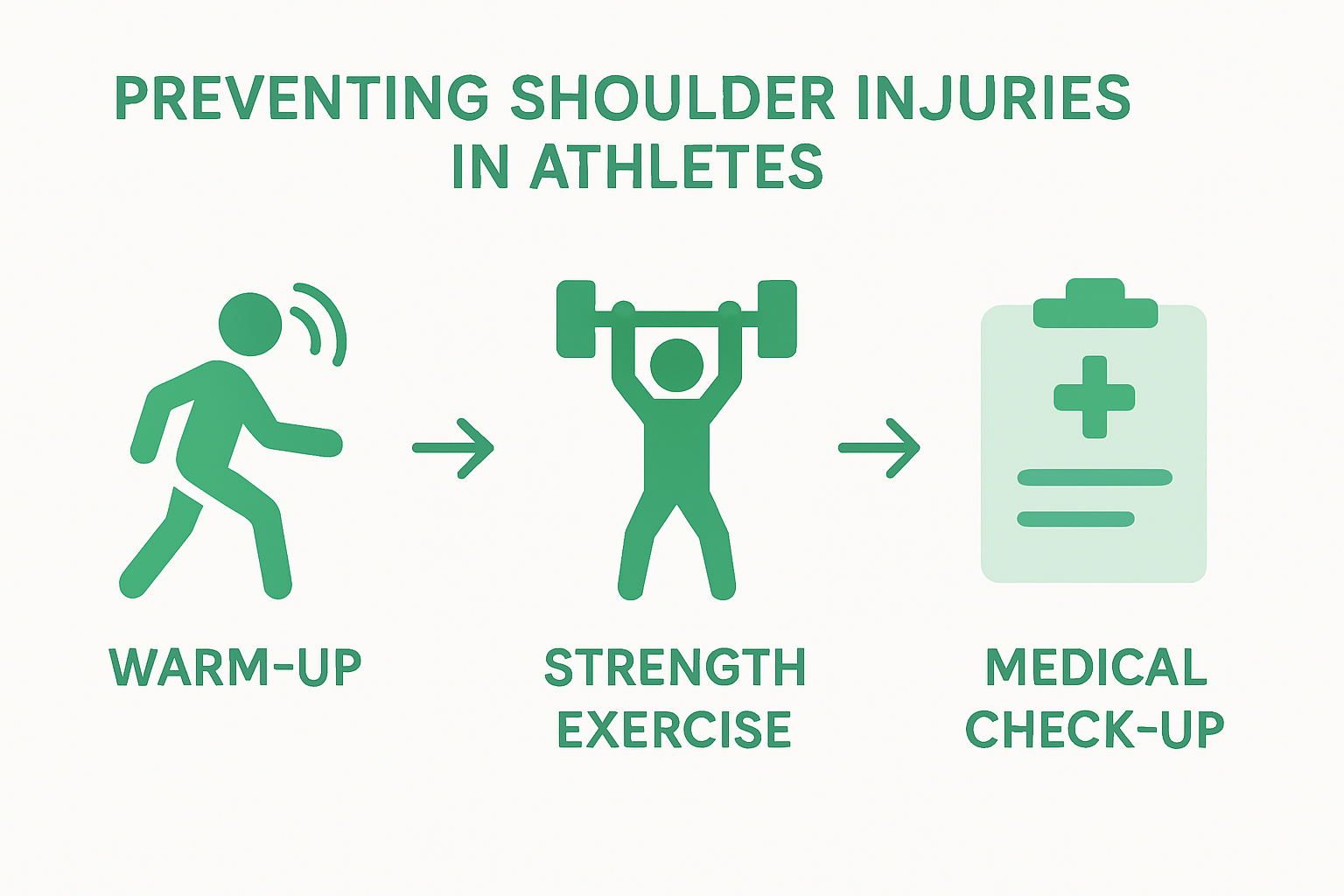
Ultimately, preventing shoulder injuries requires a holistic approach that combines scientific understanding, personalized training, and intelligent self-monitoring. Athletes should work closely with sports medicine professionals to develop customized prevention strategies that account for their unique physical characteristics, sport-specific demands, and individual biomechanical patterns. By prioritizing proactive care and maintaining a nuanced understanding of shoulder mechanics, athletes can significantly reduce their injury risk and sustain long-term athletic performance.
Treatment Options for Athletic Shoulder Pain
Athletic shoulder pain demands a comprehensive and nuanced treatment approach that addresses both immediate symptoms and long-term musculoskeletal health. Comprehensive research on shoulder injury interventions reveals a multi-tiered strategy for effective management that goes beyond traditional treatment protocols.
Primary treatment options for athletes typically include:
- Conservative management
- Physical therapy
- Regenerative treatments like PRP therapy
- Minimally invasive procedures
- Surgical interventions (when necessary)
Specialized research on collegiate athletes highlights the critical importance of targeted rehabilitation strategies. Targeted shoulder rehabilitation exercises can play a pivotal role in restoring shoulder function and preventing future complications. The treatment approach must be personalized, considering the athlete’s specific sport, injury type, and individual physiological characteristics.
Ultimately, successful shoulder pain treatment requires a holistic approach that combines medical expertise, advanced diagnostic techniques, and patient-specific rehabilitation protocols. Athletes should work closely with specialized orthopedic professionals who understand the unique demands of sports-related shoulder injuries, ensuring a comprehensive recovery strategy that addresses both immediate pain management and long-term athletic performance.
Take Control of Your Shoulder Health Today
If shoulder pain is holding you back from performing at your best in sports or daily activities you are not alone. This article highlights the complex causes of shoulder pain in athletes such as overuse injuries and biomechanical imbalances. At Sports Medicine & Athlete Care | Austin Orthopedic Blog you can learn more about expert approaches to prevention and recovery that target these challenges directly.

Don’t let shoulder pain become a career-ending problem. With personalized care plans and advanced treatment options available at https://handtoshoulderaustin.com, you can find the relief and rehabilitation tailored to your unique needs. Explore our Shoulder Surgery & Care Articles | Austin Orthopedic Blog to understand your options and schedule an appointment today to start your journey back to full strength and pain-free performance.
Frequently Asked Questions
What are the common causes of shoulder pain in athletes?
Shoulder pain in athletes can be caused by overuse injuries from repetitive motions, improper biomechanical techniques, muscle imbalances, and inadequate recovery protocols.
How can athletes prevent shoulder injuries?
Athletes can prevent shoulder injuries by following proper warm-up techniques, engaging in strength and conditioning exercises, undergoing biomechanical assessments, performing flexibility training, and ensuring adequate rest and recovery.
When should an athlete seek medical attention for shoulder pain?
Athletes should seek medical attention for shoulder pain if they experience persistent pain that does not improve with rest, sharp pain during movements, a significant reduction in range of motion, weakness or instability in the shoulder, or visible swelling.
What are the treatment options for shoulder pain in athletes?
Treatment options typically include conservative management, physical therapy, regenerative treatments like PRP therapy, minimally invasive procedures, and surgical interventions when necessary.


